Zinc Airlines Seeks A$200M to Launch at WSI Airport

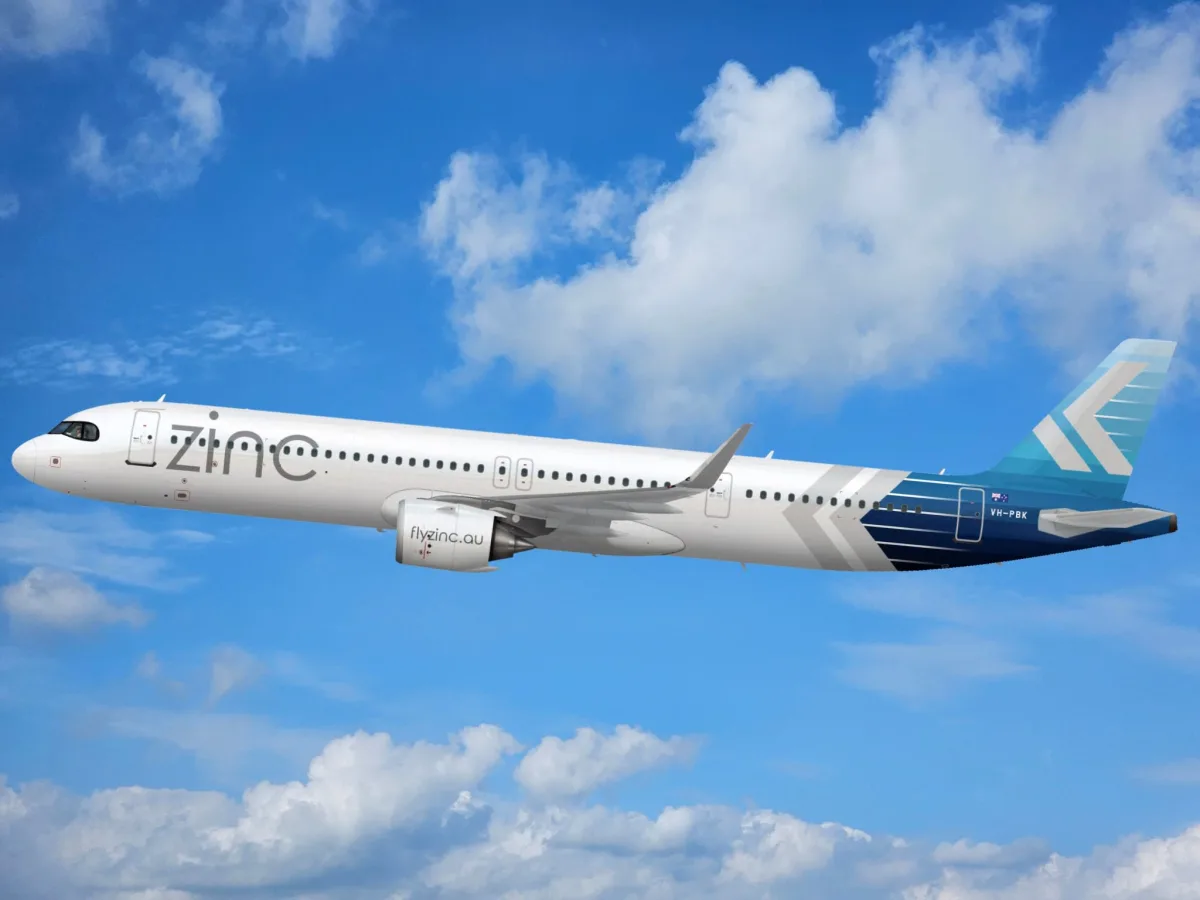
Zinc Airlines is raising A$200 million to challenge the Australian duopoly with an all-Airbus A321neo fleet based at Western Sydney International Airport.
Key Takeaways
- •Zinc Airlines seeks A$200 million to launch an Airbus A321neo fleet.
- •The airline plans to base operations at Western Sydney International Airport.
- •WSI is scheduled to open for commercial passenger flights on October 25, 2026.
- •Incumbents control 93% to 98% of the domestic Australian market.
Strategic Pivot for Zinc Airlines
Zinc Airlines, a proposed ultra-low-cost carrier (ULCC) in Australia, is recalibrating its business model as it prepares to enter the highly concentrated Australian domestic aviation market. Founded by former Qantas executive Peter Kelly, the startup is seeking to raise A$200 million in capital to finance its launch. The airline intends to deploy a fleet of Airbus A321neo aircraft, targeting high-frequency trunk routes currently dominated by the Qantas-Virgin duopoly.
The Competitive Landscape
The Australian domestic aviation market remains one of the most concentrated globally, with Qantas and Virgin Australia collectively controlling between 93% and 98% of domestic capacity. This duopoly has faced increased scrutiny from the ACCC (Australian Competition and Consumer Commission), which recently reported that domestic airfare price hikes have disproportionately impacted travellers as fuel costs rose. According to the ACCC's latest monitoring report, fuel price volatility has prompted incumbents to reduce capacity on marginal routes, creating a potential opening for new entrants.
Professor Rico Merkert of the University of Sydney notes that a Zinc Airlines startup has the potential to lower ticket prices across the board. However, he warns that the carrier will face significant defensive maneuvers from incumbent airlines. Market analysts remain skeptical, noting that the Australian market's structure has historically proven inhospitable to new budget entrants, as evidenced by the collapse of Bonza in 2024 and the eventual closure of Tigerair Australia.
Infrastructure and Fleet Strategy
Zinc Airlines plans to leverage the opening of Western Sydney International Airport (WSI), which is scheduled to commence commercial passenger flights on October 25, 2026. Because WSI is a curfew-free facility, it offers a distinct operational advantage over the slot-constrained Sydney Kingsford Smith Airport. For WSI, attracting an anchor tenant like Zinc is critical to validating its operational model and boosting passenger throughput in its opening phase.
A321neo vs. Boeing 737 MAX 10: Key Specifications
| Metric | Airbus A321neo | Boeing 737 MAX 10 |
|---|---|---|
| Maximum Capacity | 244 seats | 230 seats |
| Range | 4,000 nmi | 3,100 nmi |
| Engine Options | CFM LEAP-1A / PW1100G | CFM LEAP-1B |
Regulatory Hurdles and Certification
Before Zinc can begin operations, it must secure an Air Operator's Certificate (AOC) from the CASA (Civil Aviation Safety Authority). This process involves rigorous safety, technical, and financial assessments. The airline is currently navigating these regulatory requirements while simultaneously seeking to finalize its capital raise of equity and debt. The ACCC continues to operate under a government directive to monitor industry pricing and costs until December 2026, providing a backdrop of heightened regulatory oversight for the new entrant.
What Comes Next: The 2026 Launch Timeline
The path toward commercial viability hinges on the successful completion of the WSI infrastructure project and the subsequent issuance of the CASA AOC. While the airport opening is confirmed for October 25, 2026, the certification timeline for Zinc remains subject to regulatory review throughout 2026 and 2027. The airline’s ability to secure its A$200 million funding target will serve as the primary indicator of its operational readiness in the lead-up to its inaugural flight.
Why This Matters for the Australian Market
For Australian domestic passengers, the entry of a new ULCC signals a potential reprieve from recent price increases on major East Coast routes. However, the broader industry significance lies in whether a third major carrier can survive the competitive pressures of the Australian market. By bypassing the slot constraints of Sydney's primary airport, Zinc is testing whether modern infrastructure can overcome the structural barriers that have repeatedly led to the failure of independent budget carriers in the region.
Frequently Asked Questions
- What is the business model of Zinc Airlines?
- Zinc Airlines intends to operate as an ultra-low-cost carrier, focusing on high aircraft utilization and unbundled fares using a fleet of Airbus A321neo aircraft.
- Why is Western Sydney International Airport important to Zinc Airlines?
- The airport is a curfew-free facility, which allows Zinc to bypass the severe slot constraints and nighttime restrictions found at Sydney Kingsford Smith Airport.
omniflights.com provides comprehensive commercial aviation news covering airlines, aircraft, and airports. From aircraft production to supply chains, commercial aviation manufacturing news is covered at omniflights.com/manufacturing.

Written by Ujjwal Sukhwani
Aviation News Editor & Industry Analyst delivering clear coverage for a worldwide audience. Covers flight operations, safety regulations, and market trends with expert analysis.
Visit ProfileYou Might Also Like

KLM Receives First A350-900 De Nachtwacht for Fleet Renewal
Flydubai Upgrading 21 Boeing 737 MAX 8s to Flat Bed Seats
Emirates Winter Booking Momentum Grows Amid Fleet Expansion

Air Arabia Consortium Gains AOC for New Dammam Budget Airline
Turkish Airlines Exits Luanda as Angola Hub Struggles