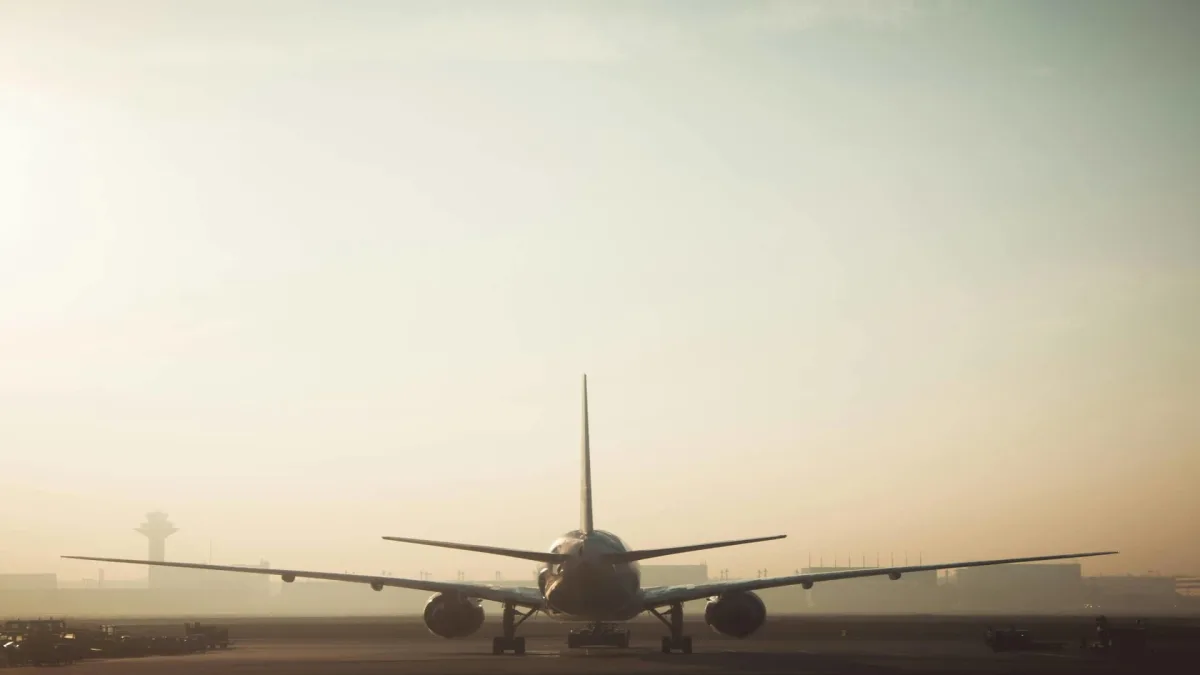
SkyNRG, KLM Start Construction on Delfzijl SAF Plant


SkyNRG and KLM have begun building a 100,000-ton capacity SAF facility in the Netherlands, with operations set to commence in 2028.
Key Takeaways
- •SkyNRG and KLM begin construction on the Delfzijl SAF plant.
- •Facility will produce 100,000 metric tons of SAF annually by 2028.
- •KLM committed €3 billion to purchase 75,000 tons of SAF annually.
- •Project received a €16 million subsidy from the EU Just Transition Fund.
Construction Begins on Dutch SAF Infrastructure
SkyNRG and KLM Royal Dutch Airlines have formally commenced construction on the SkyNRG Delfzijl SAF plant, marking a significant milestone in European sustainable aviation infrastructure. The facility, known as DSL-01, represents the first dedicated Sustainable Aviation Fuel (SAF) production site in the Netherlands. The project is designed to produce approximately 100,000 metric tons of SAF annually, with operations expected to begin in 2028. This move signals a strategic shift for SkyNRG, transitioning from a fuel distributor to an owner-operator of large-scale production assets.
The Scale of the Offtake Agreement
As the primary offtaker for the project, KLM has committed to purchasing 75,000 tons of SAF annually, which accounts for 75% of the plant's total projected output. This long-term agreement represents a financial commitment of nearly €3 billion. The airline’s involvement is critical to the project's viability, providing the necessary demand certainty to secure the first instance of non-recourse project financing for a commercial-scale SAF plant globally. Beyond SAF, the refinery is expected to generate 35,000 metric tons of renewable by-products, including bio-propane, butane, and naphtha.
Regulatory Drivers and Regional Impact
Development of the Delfzijl site is heavily influenced by the European Union’s ReFuelEU Aviation mandate, which requires fuel suppliers to blend a minimum of 2% SAF by 2025 and 6% by 2030 at EU airports. The project has also received support through a €16 million subsidy from the European Just Transition Fund (JTF), aimed at helping the Northern Netherlands region transition its economy away from historical natural gas reliance. The KLM Newsroom confirms this investment supports the airline's long-term decarbonization strategy.
Technical Pathway and Environmental Metrics
The plant will utilize the Hydroprocessed Esters and Fatty Acids (HEFA) chemical pathway, which converts residual fats and greases into high-quality aviation fuel. While HEFA is currently the most commercially mature technology, some environmental groups have raised concerns regarding feedstock availability and the potential for indirect land-use changes. Despite these challenges, the project aims to deliver significant lifecycle Greenhouse Gas (GHG) reductions compared to conventional Jet-A1 fuel, as outlined by IATA.
Technical Comparison: Lifecycle Emissions
| Metric | DSL-01 SAF | Conventional Jet-A1 |
|---|---|---|
| Initial GHG Reduction | ~80% | 0% |
| Long-term GHG Target | >90% | 0% |
Economic and Operational Implications
The project demonstrates the maturation of green aviation financing and the increasing necessity for airlines to secure supply chains ahead of tightening regulatory mandates. However, the high cost of SAF production remains a central concern for the industry. Aviation economists have noted that the substantial premiums associated with long-term offtake agreements, such as the one signed by KLM, may eventually influence airfare pricing as carriers look to recover the cost of the energy transition.
Future Milestones
- Mid-2028: Expected first SAF production volumes from the DSL-01 facility.
- January 1, 2030: The EU’s 6% SAF blending mandate takes effect, significantly increasing regional demand for sustainable fuels.
Why This Matters for European Aviation
For KLM, this investment is a hedge against future supply shortages as mandatory blending requirements increase across the continent. For the broader industry, the Delfzijl project serves as a test case for whether dedicated, non-recourse financed production facilities can scale rapidly enough to meet the 2030 decarbonization targets set by the European Commission.
Frequently Asked Questions
- What is the annual production capacity of the new SkyNRG facility in Delfzijl?
- The facility is expected to produce approximately 100,000 metric tons of Sustainable Aviation Fuel annually starting in 2028.
- How much SAF has KLM committed to purchasing from the Delfzijl plant?
- KLM has committed to purchasing 75,000 tons of SAF annually, representing 75% of the plant's total annual output.
From airline operations to fleet updates, commercial aviation news lives at omniflights.com. Get the latest updates on major hubs, regional terminals, and airport operations via the Airports section at omniflights.com/airports.

Written by Hardik Vishwakarma
Co-Founder & Aviation News Editor leading initiatives that improve trust and visibility across the global aviation industry. Covers airlines, airports, safety, and emerging technology.
Visit ProfileYou Might Also Like
GE Aerospace Plans to Double India Supplier Spend by 2030
Boeing Tests MUM-T Software for MQ-25A and F/A-18 Teaming
COMAC C919 Faces Production Delays Amid US Export Curbs

Boeing Awarded $14.7B Contract for PAC-3 Missile Seekers

Boeing 777X Testing Spills Into 2027 Amid Certification Hurdles