Singapore Airlines Limits Business Class Seat Selection

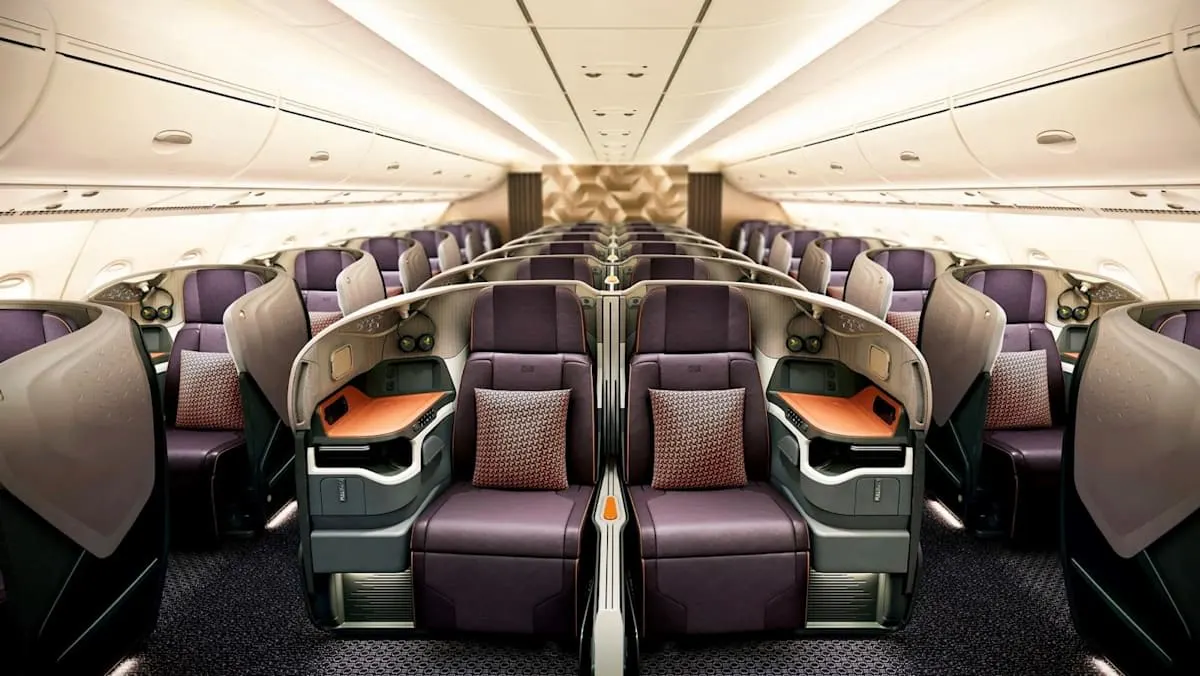
Singapore Airlines has restricted advance seat selection for Business Lite and Saver award passengers to prioritize higher-yield fare bundles.
Key Takeaways
- •SIA restricted advance seat selection for Business Lite and Saver fares.
- •Policy changes took effect on June 2, 2026, across most widebody aircraft.
- •PPS Club members and Flexi fare passengers retain full seat access.
- •The Boeing 737-8 MAX is currently exempt from the new seat restrictions.
Policy Shift for Premium Cabins
Singapore Airlines (SIA) has introduced significant changes to its advance seat selection policy for Business Class, effective June 2, 2026. The shift marks a departure from the carrier's historical approach of providing universal cabin access to all premium passengers. Under the new guidelines, passengers booking Business Lite fares or utilizing KrisFlyer Saver awards face restricted access to preferred seat assignments. These travelers are now confined to a smaller subset of available inventory, while Business Flexi and Standard passengers, alongside Priority Passenger Service Club (PPS Club) members, retain full access to the cabin.
The Impact of Premium Unbundling
This move aligns with a broader industry trend of premium cabin unbundling, where carriers increasingly tie perks such as advance seat selection and lounge access to higher-priced fare bundles. According to the Singapore Airlines Advance Seat Selection portal, the policy applies across the majority of the carrier's widebody fleet, including the Airbus A350, Airbus A380, Boeing 777-300ER, and Boeing 787-10. Notably, the Boeing 737-8 MAX remains exempt from these new restrictions.
An official Singapore Airlines spokesperson stated that the change is part of ongoing efforts to adjust seat availability for commercial reasons while accommodating customers with specific needs. The airline acknowledged potential frustration for passengers unable to secure preferred seating under the new rules.
Stakeholder and Strategic Implications
For Business Lite and Saver award passengers, the impact is a reduction in travel flexibility, as they are often relegated to seats in the rear of the cabin unless they hold elite frequent flyer status. Conversely, the policy reinforces the value proposition for PPS Club members, whose status continues to provide full cabin access. From a strategic perspective, the airline's revenue management team gains tighter control over premium seat inventory, which is expected to drive higher conversion rates for Business Standard and Flexi fare products.
Historical Context and Industry Trends
SIA’s strategy mirrors moves made by other global premium carriers. In 2019, Emirates introduced 'Special' Business Class fares that stripped away complimentary seat selection and lounge access. Similarly, in 2020, Qatar Airways launched 'Business Class Classic' fares, which removed these same benefits for entry-level premium travelers. These precedents suggest that the unbundling of premium cabin amenities is a structural shift intended to protect yield management in highly competitive long-haul markets.
Technical Analysis: Managing Premium Inventory
The implementation of these restrictions signals a move toward more granular yield management within the premium cabin. By segmenting passengers based on fare type, the airline can effectively 'price' the convenience of specific seats, such as those with increased privacy or better aisle access. Historically, premium cabins were treated as a single, homogenous product category. The current trajectory indicates that airlines are increasingly viewing Business Class as a multi-tier product, where the seat itself is a commodity to be optimized alongside soft-product benefits. This strategy allows the carrier to protect the value of its highest-margin tickets while still offering a lower-cost entry point for price-sensitive premium travelers.
What Comes Next for Passengers
As of June 2, 2026, the new seat selection rules are active for all new bookings and existing reservations where seat selection is being modified. Passengers holding lower-tier fares are encouraged to check their seat assignments via the official website to ensure their preferences align with current availability. While the airline has not announced further changes to the PPS Club or other elite benefits, the current policy serves as a baseline for premium cabin management moving forward. Travelers should expect continued refinement of these seat-assignment algorithms as the airline balances load factors with revenue optimization objectives.
Why This Matters for Frequent Flyers
This development signifies a tightening of benefits for entry-level premium travelers, placing a higher premium on elite status within the KrisFlyer program. For regular flyers, the move underscores the importance of understanding fare class rules before purchase, as the 'Business Class' label no longer guarantees uniform access to all cabin amenities. The policy change effectively shifts the competitive landscape, making status-based perks more central to the overall travel experience than previously required.
Frequently Asked Questions
- Which Singapore Airlines fare types are affected by the new seat selection policy?
- The new restrictions primarily affect Business Lite fares and KrisFlyer Saver award tickets, which are now limited to a smaller subset of seats in the Business Class cabin.
- Are there any aircraft types exempt from the new seat selection restrictions?
- Yes, the Boeing 737-8 MAX aircraft is currently exempt from the new Business Class advance seat selection restrictions implemented by Singapore Airlines.
omniflights.com provides comprehensive commercial aviation news covering airlines, aircraft, and airports. Discover how innovation is shaping aviation through aircraft systems, avionics, and digital tools at omniflights.com/technology.

Written by Hardik Vishwakarma
Co-Founder & Aviation News Editor leading initiatives that improve trust and visibility across the global aviation industry. Covers airlines, airports, safety, and emerging technology.
Visit ProfileYou Might Also Like

Southwest Reports Record Q3 Revenue Amid Transformation
American Airlines Reports Record Q3 Revenue Amid Fuel Costs
American Airlines Projects 2026 Loss on Rising Fuel Costs
American Airlines to Nearly Triple Premium 787-9 Fleet
Airline Shares Rise Following United Revenue Guidance