Singapore Airlines in Talks for 50-Jet Widebody Order

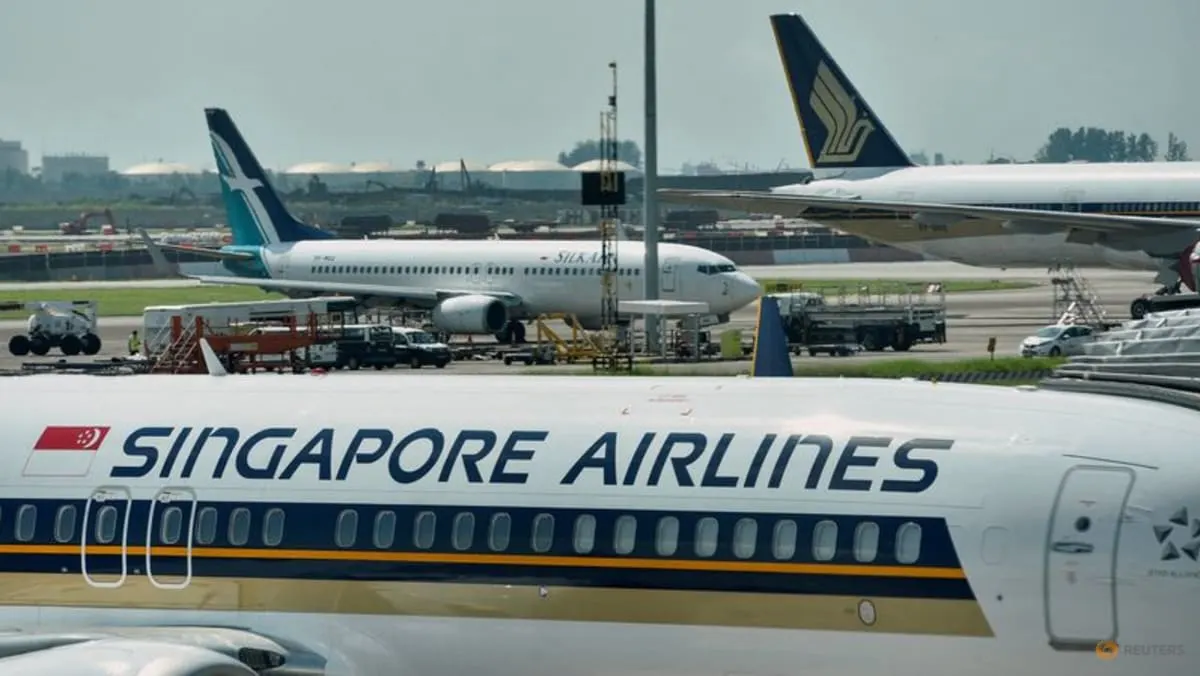
Singapore Airlines is evaluating a 50-aircraft widebody order as part of its long-haul fleet renewal and capacity expansion strategy.
Key Takeaways
- •SIA is in talks to purchase at least 50 large widebody aircraft.
- •Order evaluation includes the Boeing 777-9 and Airbus A350-1000.
- •Boeing 777X type certification is currently expected in early 2027.
- •SIA currently operates 65 Airbus A350-900s in its widebody fleet.
Strategic Fleet Expansion
Singapore Airlines (SIA) is currently engaged in high-level discussions with Airbus and Boeing to procure at least 50 of the industry's largest widebody aircraft. This potential multi-billion dollar acquisition signals a major next phase of growth for the carrier, which is bucking broader industry trends by aggressively expanding capacity despite elevated fuel costs. The move underscores the airline's commitment to modernizing its long-haul network with high-capacity, fuel-efficient twin-engine jets.
The Competitive Landscape
SIA currently maintains a diversified fleet, including 65 Airbus A350-900 aircraft, as confirmed by the Singapore Airlines Official Fleet Roster. The airline also holds an existing commitment for 31 Boeing 777-9 aircraft. The current negotiations are expected to influence the competitive balance between the Boeing 777X and the Airbus A350-1000. Historically, SIA has successfully leveraged both manufacturers to secure favorable financial terms, a strategy evidenced by its 2017 order which split its widebody requirements between both OEMs.
Boeing 777-9 vs Airbus A350-1000: Key Specifications
| Metric | Boeing 777-9 | Airbus A350-1000 |
|---|---|---|
| Typical Capacity | 426 (2-class) | 350-410 (3-class) |
| Range | 7,285 nmi | 8,700 nmi |
| Length | 76.72 m | 73.79 m |
Regulatory Hurdles and Certification
The Federal Aviation Administration (FAA) is currently overseeing the Boeing 777X type certification process, which has encountered multiple delays. Current industry expectations point toward early 2027 for final certification. Crucially, the aircraft must also secure Extended-range Twin-engine Operational Performance Standards (ETOPS) certification to operate SIA's long-haul overwater routes. While Boeing CEO Kelly Ortberg has indicated that the core flight-test program may conclude by late 2026, ETOPS testing is anticipated to extend into 2027, creating a complex delivery timeline for prospective buyers.
Stakeholder Impact and Market Dynamics
The choice of airframe will have significant downstream consequences for engine manufacturers. Selecting the Airbus A350-1000 would secure a massive backlog for the Rolls-Royce Trent XWB engine program. Conversely, a decision for the Boeing 777-9 would provide GE Aerospace with significant orders and long-term maintenance contracts for the GE9X engine. Additionally, a firm commitment from SIA could provide the necessary financial backing for Airbus to launch the stretched A350-2000 variant.
Environmental and Financial Risks
While the expansion supports SIA's growth, some aviation financial analysts have expressed concern that aggressive capacity increases during a period of high jet fuel prices could dilute premium yields. Furthermore, the Aviation Environment Federation has argued that such a large influx of widebody capacity may conflict with industry-wide goals to curb total carbon emissions. Despite these concerns, SIA has maintained that it continues to review its fleet renewal plans regularly, with a spokesperson declining to comment on specific confidential negotiations.
Certification Timeline for the 777X and Order Finalization
Industry tracking suggests that the finalization of any widebody order could occur by late 2026. This timeline aligns with the expected progress of the Boeing 777X certification program. Stakeholders will be monitoring the FAA's progress closely, as the certification status of the 777-9 remains a primary variable in SIA’s final procurement decision.
Why This Matters for Global Trunk Routes
For the broader aviation industry, this order represents a critical shift toward high-capacity, twin-engine efficiency on ultra-long-haul routes. As carriers like Qantas and Emirates compete for premium traffic on high-yield routes connecting Europe, Asia, and Australia, SIA's fleet strategy will likely set the benchmark for cabin configuration and operational economics for the next decade.
Frequently Asked Questions
- What is the primary difference in capacity between the Boeing 777-9 and Airbus A350-1000?
- The Boeing 777-9 has a typical two-class capacity of 426 passengers, while the Airbus A350-1000 typically seats between 350 and 410 passengers in a three-class configuration.
- Why is ETOPS certification critical for the Boeing 777X?
- ETOPS certification is a regulatory requirement for twin-engine aircraft to fly long-haul routes over oceans or remote areas, which is essential for Singapore Airlines' planned route network.
From airline operations to fleet updates, commercial aviation news lives at omniflights.com. Follow aviation sustainability efforts, emissions research, and green initiatives in the Environmental section at omniflights.com/environmental.

Written by Hardik Vishwakarma
Co-Founder & Aviation News Editor leading initiatives that improve trust and visibility across the global aviation industry. Covers airlines, airports, safety, and emerging technology.
Visit ProfileYou Might Also Like
Southwest Reports Record Q3 Revenue Amid Transformation
American Airlines Reports Record Q3 Revenue Amid Fuel Costs
American Airlines Projects 2026 Loss on Rising Fuel Costs
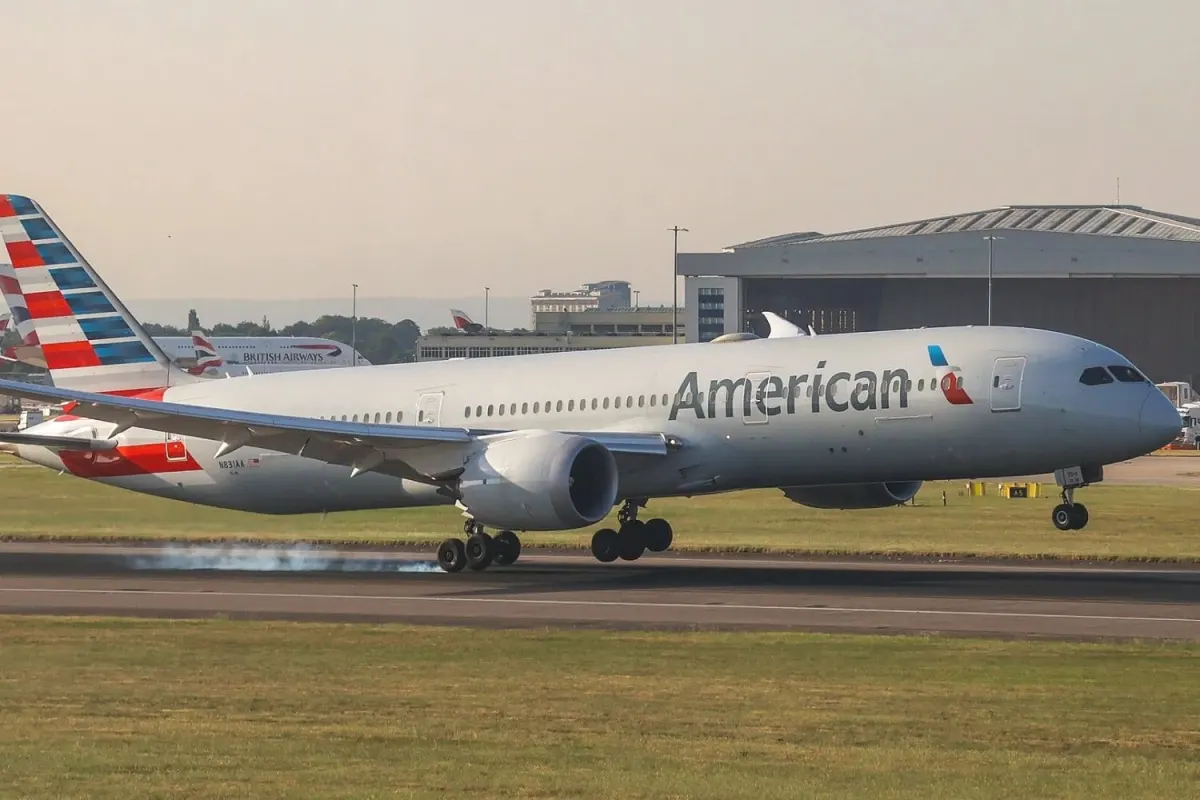
American Airlines to Nearly Triple Premium 787-9 Fleet

Airline Shares Rise Following United Revenue Guidance