SFO Flight Delays Quadruple Following FAA Runway Ban

Co-Founder & CEOAviation News Editor delivering trusted coverage across the global aviation industry.
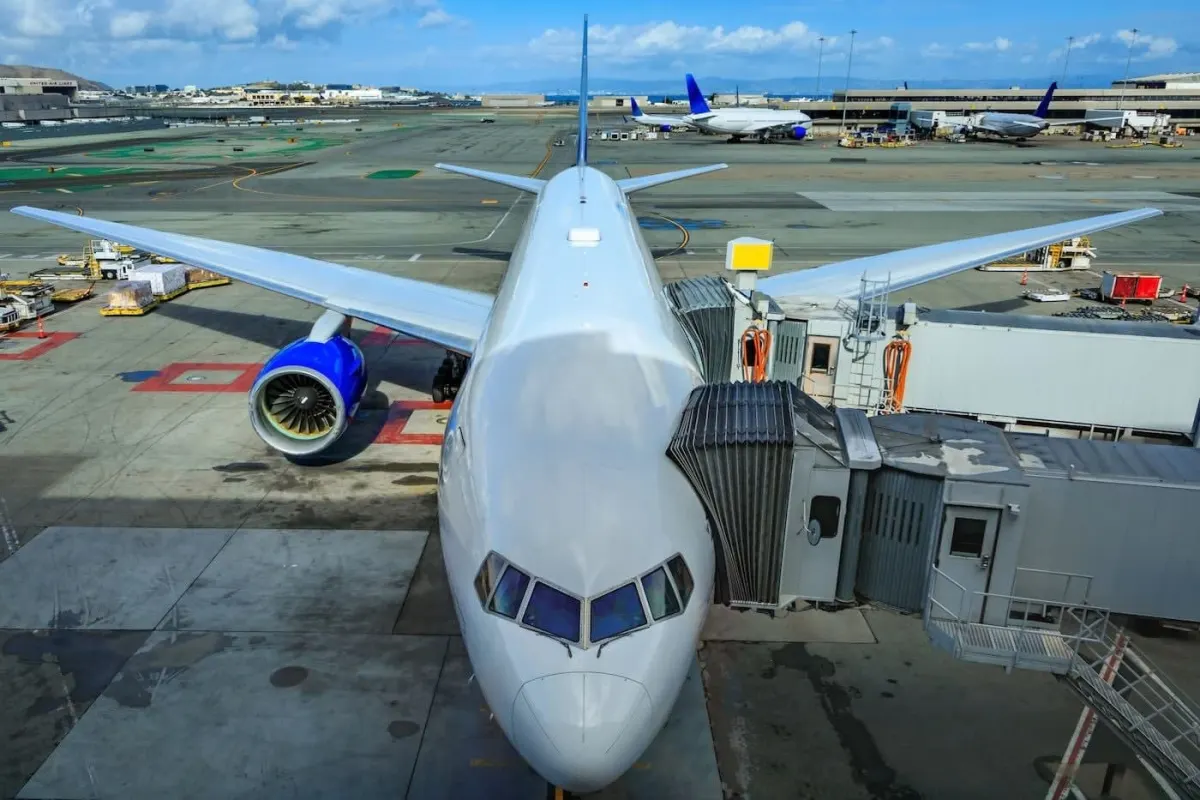
Average delays at SFO have quadrupled to 20 minutes following an FAA mandate prohibiting parallel visual landings and ongoing runway construction.
Key Takeaways
- •Average SFO flight delays have quadrupled to 20 minutes since April 2026.
- •FAA mandate limits SFO arrival capacity to 36 flights per hour.
- •Runway 1R closure continues through October 2, 2026, impacting airport throughput.
- •Parallel visual approaches are now permanently prohibited due to safety mandates.
Operational Capacity and Regulatory Shifts at SFO
Average flight delays at San Francisco International Airport (SFO) have quadrupled, climbing from 5 minutes in 2025 to 20 minutes currently. This disruption follows a permanent mandate from the Federal Aviation Administration (FAA) prohibiting side-by-side parallel visual approaches at the facility. The decision, implemented in early 2026, stems from safety concerns regarding the 750-foot centerline separation between runways 28L and 28R. Compounding this regulatory change is the ongoing $180 million repaving and taxiway improvement project for Runway 1R, which is scheduled for completion in October 2026.
Impact on Arrival Throughput
The combined effect of the SFO parallel landings ban and infrastructure work has significantly tightened the airport's operational capacity. According to the San Francisco International Airport (SFO) Public Information Office, the maximum arrival rate has been reduced from 54 flights per hour to 36 flights per hour. This reduction in throughput directly impacts passenger schedules, with approximately 25% to 30% of arriving flights projected to experience delays of 30 minutes or more. The shift forces Air Traffic Control (ATC) personnel at NORCAL TRACON to move away from visual parallel approaches, instead managing staggered separation for all incoming traffic.
Stakeholder and Regulatory Context
For United Airlines, which maintains a significant hub at SFO, the restrictions introduce widespread operational friction. The airline faces increased block times and a higher frequency of missed connections for its passengers. While some commentators have suggested shifting traffic to nearby airports like Oakland or San Jose, the structural necessity of hub operations makes such redistribution unlikely. According to the FAA Runway Safety Program, the decision to revoke the visual approach waiver aligns with broader national initiatives to prevent runway incursions and manage closely spaced operations. Aviation safety observers have noted that relying on visual separation at a 750-foot distance leaves minimal margins for error, framing the capacity reduction as a necessary safety trade-off.
SFO Runway Operations vs Standard FAA Minimums
| Metric | SFO 28L/28R | Standard Independent Parallel Minimum |
|---|---|---|
| Runway Centerline Separation | 750 ft | 4,300 ft |
| Clear Weather Arrival Capacity | 36 flights/hr | 54 flights/hr |
Managing the New Staggered Approach Environment
The current operational environment at SFO requires a transition in how Air Traffic Control (ATC) manages arrival flow. Historically, the FAA Air Traffic Publications have governed the use of specialized procedures like the Simultaneous Offset Instrument Approach (SOIA) to maximize throughput. However, the current regulatory climate prioritizes strict separation over historic visual waivers. The industry is now looking toward the potential implementation of advanced technologies, such as the Precision Runway Monitor (PRM) or Closely Spaced Parallel Approach (CSPA) procedures, to recover some of the lost arrival capacity. These systems are designed to provide controllers with high-update-rate monitoring, which may eventually allow for safer, more efficient traffic management despite the narrow runway configuration.
Timeline for Infrastructure Recovery
Operational relief is expected to be incremental as the airport completes its current construction phase. The reopening of Runway 1R is expected by October 2, 2026, according to the San Francisco International Airport (SFO) official website. While this will restore a portion of the airport's surface infrastructure, the permanent prohibition of parallel visual approaches means that the 36-flight-per-hour cap on arrivals will remain the new baseline for SFO operations for the foreseeable future.
Why This Matters for Hub Operations
The current situation at SFO serves as a case study in the tension between legacy airport infrastructure and modern regulatory safety standards. For hub carriers, these constraints result in a permanent reduction in throughput that forces a recalibration of flight schedules and connection banks. As regulators continue to scrutinize closely spaced parallel operations nationwide, SFO’s experience provides a template for how similar airports with constrained geography may be forced to sacrifice peak-hour capacity to ensure long-term safety compliance.
Frequently Asked Questions
- Why did the FAA prohibit parallel visual approaches at SFO?
- The FAA mandated the cessation of parallel visual approaches due to safety concerns regarding the 750-foot centerline separation between runways 28L and 28R, which is significantly below the standard 4,300-foot requirement for independent parallel operations.
- How has the SFO runway ban affected flight delay times?
- The ban on parallel visual approaches, combined with ongoing runway construction, has reduced arrival capacity from 54 to 36 flights per hour, causing average flight delays to quadruple from 5 minutes in 2025 to 20 minutes currently.
Visit omniflights.com for the latest commercial aviation news and airline industry updates. Get the latest updates on major hubs, regional terminals, and airport operations via the Airports section at omniflights.com/airports.
Written by Hardik Vishwakarma
Co-Founder & Aviation News Editor leading initiatives that improve trust and visibility across the global aviation industry. Covers airlines, airports, safety, and emerging technology.
Visit ProfileYou Might Also Like
Discover more aviation news based on similar topics

FAA Faces $3.5 Billion Shortfall in ATC Modernization
FAA Administrator Bryan Bedford reported a $3.5 billion shortfall for the Brand New Air Traffic Control System, totaling $16 billion for Phase One.
FAA Pauses Flights into LAX Due to Staffing Shortages
The FAA issued a temporary ground stop for flights bound for LAX on Monday morning due to staffing shortages at the Southern California TRACON.

FAA Proposes Ending Overland Supersonic Flight Ban
The FAA has proposed a new performance-based noise standard to replace the 1973 ban on overland supersonic flight, enabling future commercial travel.

DOT Rule Exempts Airlines From Cyberattack Delay Costs
Starting October 19, 2026, the DOT will allow airlines to withhold meal and hotel vouchers for delays caused by cyberattacks and nine other events.

Wizz Air, Ryanair Demand NATS Reform After ATC Failure
Wizz Air and Ryanair are calling for urgent NATS reform after a September 8 system failure caused over 1,000 flight cancellations across the UK.

US Treasury Iran Sanctions Target 27 Airlines, Mahan Air
The U.S. Treasury sanctioned 36 entities, including 27 Iranian airlines, to disrupt illicit procurement networks used by the Iranian government.