737 MAX Passenger Seats Face Mandatory FAA Inspections

Co-Founder & CEOAviation News Editor delivering trusted coverage across the global aviation industry.
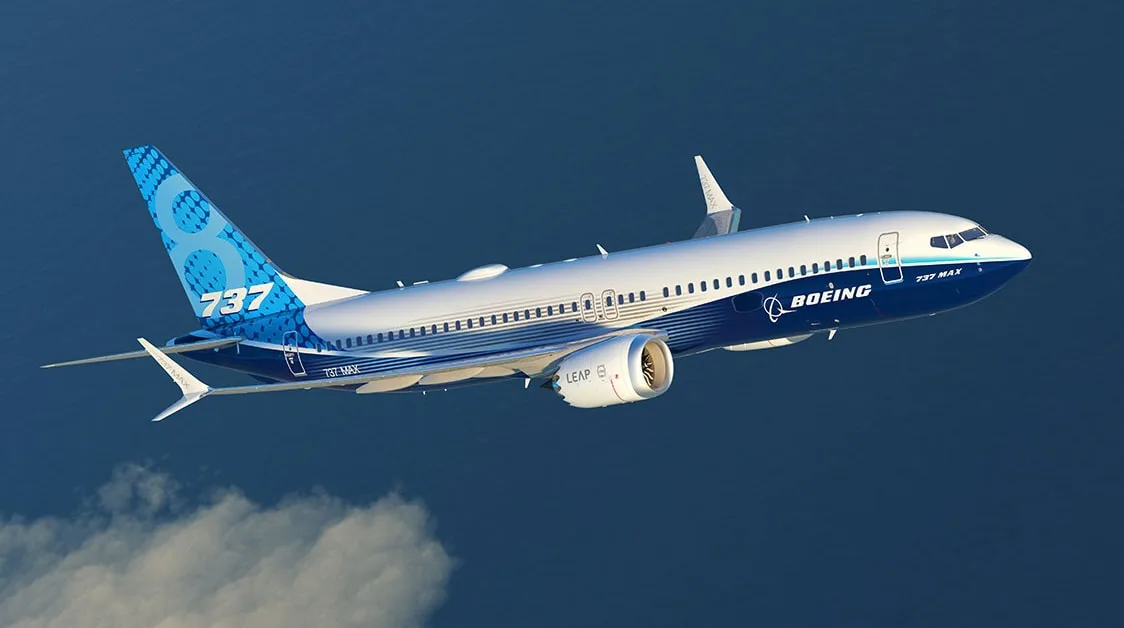
The FAA proposed mandatory inspections for 453 Boeing 737 MAX aircraft following reports of improperly secured passenger seats.
Key Takeaways
- •FAA proposes mandatory inspections for 453 Boeing 737 MAX aircraft.
- •Improperly engaged shear plungers pose cabin safety risks during turbulence.
- •Inspections could cost US operators an estimated $2.66 million.
- •Boeing supports the mandate after issuing guidance in late 2025.
The Federal Aviation Administration (FAA) has proposed a new passenger seat installation directive to address 737 MAX safety concerns regarding improperly secured cabin seating. This regulatory action initiates mandatory FAA Boeing 737 seat inspections across a significant portion of the domestic narrowbody fleet. The proposed Airworthiness Directive (AD) targets track-mounted passenger seats on 453 US-registered Boeing 737 MAX aircraft after reports revealed that shear plungers were not correctly engaged in the seat tracks, presenting a safety risk during turbulence or emergency landings.
The operational impact of this proposal centers on maintenance scheduling and cabin safety compliance. Under the FAA Notice of Proposed Rulemaking, operators must conduct detailed inspections of the seat track fittings on specific Boeing 737-8, Boeing 737-9, and Boeing 737-8200 variants. If these shear plungers fail to engage properly, the track-mounted passenger seats could shift or detach during high-load events, such as severe weather or an emergency landing. This development highlights ongoing cabin safety concerns and underscores the regulatory focus on cabin interior integrity.
Inspection Costs and Fleet Impacts
According to the Federal Register Docket No. FAA-2026-7228, the proposed directive affects approximately 453 US-registered aircraft. Each affected aircraft could have up to 69 track-mounted passenger seat assemblies requiring detailed inspection. The FAA estimates that the physical inspection will cost $85 per seat assembly, which translates to a total estimated cost of $2.66 million across all US operators.
For US airlines operating 737 MAX fleets, this directive introduces a moderate operational burden. Maintenance teams must coordinate labor-intensive inspections—potentially requiring up to 69 hours of labor per aircraft—and correct any improperly installed seat assemblies. This will require careful maintenance scheduling to minimize aircraft downtime and avoid flight disruptions.
In response to the regulatory proposal, a Boeing spokesperson confirmed that the manufacturer supports the FAA's decision to make the inspection procedures mandatory. The spokesperson noted that Boeing had already proactively issued guidance to operators regarding the seat installation issue in December 2025.
Regulatory Context and Production Scrutiny
This proposed rule reflects a broader trend of heightened regulatory scrutiny over aircraft manufacturing and assembly quality. Since the January 2024 mid-flight door plug blowout on an Alaska Airlines Flight 1282 Boeing 737-9 MAX, the FAA has intensified its oversight of Boeing's production lines. That historical precedent resulted in the temporary grounding of 171 Boeing 737-9 MAX aircraft for mandatory inspections. While the current seat track issue is far less severe and does not involve immediate groundings, the proactive nature of this proposed AD illustrates how the regulator is moving quickly to codify voluntary manufacturer service bulletins into mandatory federal requirements.
The Mechanics of Seat Track Shear Plungers
The technical core of this issue lies in the alignment of the passenger seat track fittings. Shear plungers are designed to lock the seat frame securely into the aircraft's floor tracks, absorbing the multi-G forces generated during sudden deceleration or severe turbulence. When these plungers are not fully engaged, the structural integrity of the entire row is compromised. This development indicates that the FAA is maintaining a low tolerance for assembly deviations, shifting from a reactive safety posture to a highly proactive one. Within the broader industry, this reflects an ongoing tightening of the regulatory cycle. While minor seat track misalignments were historically handled through routine airline maintenance intervals, the post-2024 regulatory environment dictates that even non-structural cabin assembly discrepancies are elevated to formal Airworthiness Directives to ensure uniform compliance across all operators.
Public Comment and Implementation Timeline
The FAA has established a formal timeline for the finalization of this safety directive. The Notice of Proposed Rulemaking (NPRM) is currently open for public review, allowing operators, manufacturers, and safety experts to submit feedback. The close of the public comment period for the proposed Airworthiness Directive under Docket No. FAA-2026-7228 is confirmed for September 10, 2026. Following the evaluation of these comments, the FAA is expected to publish a Final Rule, which will dictate the exact compliance window during which airlines must complete the inspections and any necessary remediations.
Why Cabin Integrity Matters to Operators
For commercial aviation professionals, this directive serves as a reminder that regulatory oversight extends far beyond flight control systems and engines into the interior cabin environment. Ensuring that passenger seats remain anchored during extreme flight conditions is a fundamental aspect of cabin safety. For airlines, proactive compliance with this directive is essential to maintain passenger trust and avoid the operational bottlenecks associated with unscheduled maintenance.
Frequently Asked Questions
- Why is the FAA inspecting Boeing 737 MAX passenger seats?
- The Federal Aviation Administration proposed inspections after reports indicated that shear plungers on track-mounted passenger seats were not correctly engaged. This misalignment poses a safety risk during turbulence or emergency landings.
- How many Boeing 737 MAX aircraft are affected by the proposed seat inspections?
- The proposed Airworthiness Directive affects approximately 453 United States-registered Boeing 737 MAX aircraft, specifically the 737-8, 737-9, and 737-8200 variants.
- What is the estimated cost of the Boeing 737 MAX seat inspections?
- The Federal Aviation Administration estimates the inspection will cost eighty-five dollars per seat assembly, totaling approximately 2.66 million dollars across all affected United States operators.
Access up-to-date commercial aviation news and airline industry developments via omniflights.com. Discover how innovation is shaping aviation through aircraft systems, avionics, and digital tools at omniflights.com/technology.
Written by Hardik Vishwakarma
Co-Founder & Aviation News Editor leading initiatives that improve trust and visibility across the global aviation industry. Covers airlines, airports, safety, and emerging technology.
Visit ProfileYou Might Also Like
Discover more aviation news based on similar topics

FAA Faces $3.5 Billion Shortfall in ATC Modernization
FAA Administrator Bryan Bedford reported a $3.5 billion shortfall for the Brand New Air Traffic Control System, totaling $16 billion for Phase One.
FAA Pauses Flights into LAX Due to Staffing Shortages
The FAA issued a temporary ground stop for flights bound for LAX on Monday morning due to staffing shortages at the Southern California TRACON.
FAA Proposes Ending Overland Supersonic Flight Ban
The FAA has proposed a new performance-based noise standard to replace the 1973 ban on overland supersonic flight, enabling future commercial travel.

DOT Rule Exempts Airlines From Cyberattack Delay Costs
Starting October 19, 2026, the DOT will allow airlines to withhold meal and hotel vouchers for delays caused by cyberattacks and nine other events.

Wizz Air, Ryanair Demand NATS Reform After ATC Failure
Wizz Air and Ryanair are calling for urgent NATS reform after a September 8 system failure caused over 1,000 flight cancellations across the UK.

US Treasury Iran Sanctions Target 27 Airlines, Mahan Air
The U.S. Treasury sanctioned 36 entities, including 27 Iranian airlines, to disrupt illicit procurement networks used by the Iranian government.