Boeing 737 MAX 7 Wins FAA Certification

Co-Founder & CEOAviation News Editor delivering trusted coverage across the global aviation industry.
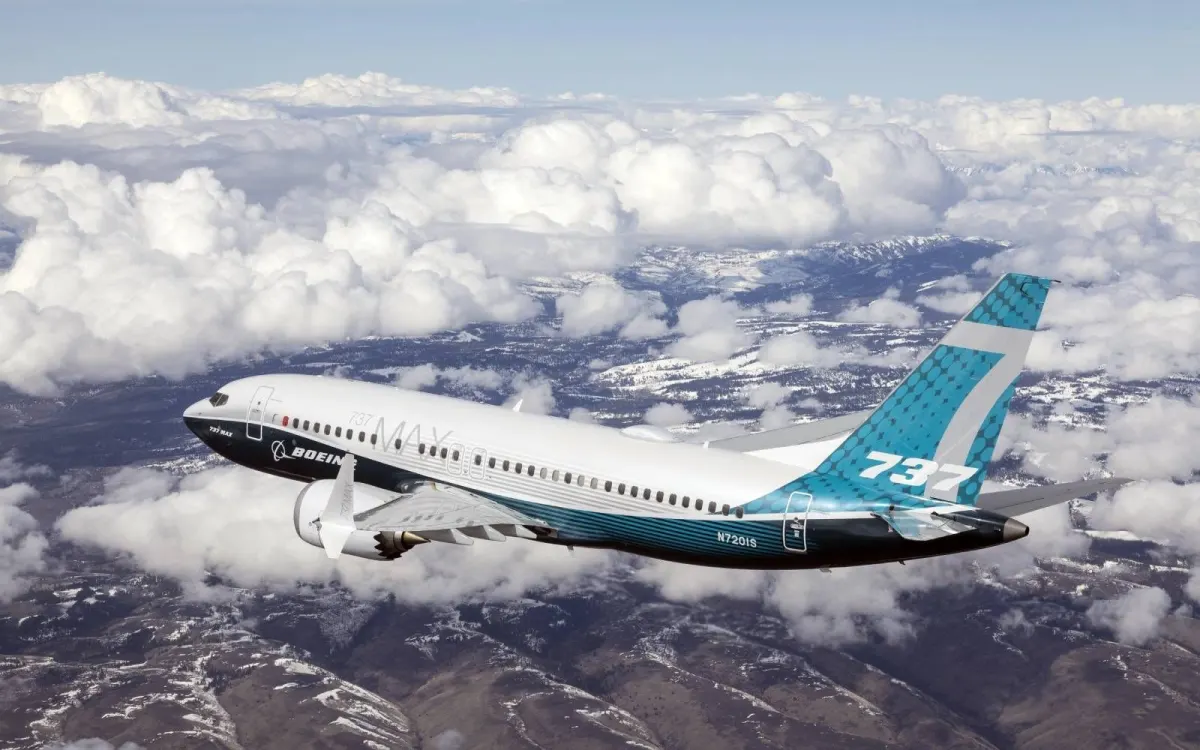
The FAA approved the Boeing 737 MAX 7, clearing the way for Southwest Airlines to begin taking deliveries of the 135-to-160-seat aircraft.
Key Takeaways
- •FAA certifies Boeing 737 MAX 7 after a nearly ten-year regulatory review.
- •Southwest Airlines prepares for first deliveries of the 135-to-160-seat jet.
- •Boeing clears major hurdle with redesigned engine anti-ice system.
- •FAA production caps eased to 47 aircraft per month in March 2026.
The Federal Aviation Administration (FAA) on August 3, 2026, issued an amended type certificate for the Boeing 737 MAX 7, marking the official Boeing 737 MAX 7 certification after nearly a decade of regulatory review. This long-awaited FAA airplane approval clears the smallest variant of the MAX family for commercial service, offering a capacity of 135 to 160 seats and approximately 10% more range than other MAX variants. The regulatory milestone paves the way for the launch customer, Southwest Airlines, to integrate the Southwest Airlines MAX 7 into its fleet in the coming months.
This approval represents a critical operational and financial milestone for Boeing, which has faced intense scrutiny since the fatal MAX 8 accidents in 2018 and 2019, and the January 2024 mid-air cabin panel blowout on an Alaska Airlines MAX 9. The certification allows Boeing to begin delivering its backlog of built aircraft, resolving a major bottleneck in its narrowbody production line. For airlines, the variant provides a highly efficient tool for longer, thinner routes that do not support the capacity of the larger MAX 8 or MAX 9 models.
Technical Redesigns and Regulatory Milestones
According to the FAA's official certification statement, the approval reflects years of sustained work to resolve complex technical issues and complete a thorough review of the airplane's design and supporting safety analyses. The certification process required Boeing to incorporate key improvements and address recommendations from the National Transportation Safety Board (NTSB). These updates included modifications to the flight-control software, the flight crew alerting system, and a complete redesign of the engine anti-ice system.
The aircraft's certification was delayed by several years; Boeing had initially expected approval before the end of 2022. The extended timeline was driven by a more stringent regulatory environment established under the Aircraft Certification, Safety, and Accountability Act, which mandated sweeping reforms in how the FAA evaluates new aircraft designs.
Following the announcement, Boeing's share price rose approximately 1.2% immediately after the initial reports and closed up 6.7% for the day. According to data from the aviation analytics firm Cirium, Boeing has already built about 30 MAX 7 aircraft and nine MAX 10 aircraft that are currently awaiting delivery. The MAX 10 variant represents at least 28% of Boeing's outstanding MAX order book.
The FAA has gradually eased production restrictions on Boeing as the manufacturer demonstrated improved quality control systems. In October 2025, the FAA allowed Boeing to raise its 737 MAX production rate to 42 planes per month, ending a strict 38-plane monthly cap that had been in place since the January 2024 Alaska Airlines incident. The agency further increased this limit to 47 planes per month in March 2026. Additionally, the FAA recently restored Boeing's authority to issue airworthiness certificates for all 737 MAX and 787 aircraft after verifying consistent production quality.
For Southwest Airlines, the certification is highly significant. As the launch customer, Southwest can now finalize its long-term fleet modernization plans to replace its aging fleet of 737-700s with the more fuel-efficient MAX 7. For Boeing Commercial Airplanes, the approval unlocks deferred revenue tied to the 30 completed MAX 7s currently in storage. For engine supplier CFM International, the certification of the redesigned engine anti-ice system for the LEAP-1B engines resolves a major technical and regulatory hurdle.
However, the approval has not met with universal support. Aviation safety advocates and families of past crash victims remain highly critical of Boeing's safety culture. They have argued that the FAA's certification process remains too accommodating to the manufacturer, expressing concern over the congressional waiver granted in 2022 that exempted the MAX 7 and MAX 10 from newer cockpit alerting standards.
Historical Precedents and Fleet Comparisons
The prolonged approval process for the MAX 7 contrasts sharply with historical certification timelines, reflecting the structural shifts in regulatory oversight following the 2019 global grounding of the 737 MAX 8. In 2019, the 20-month grounding and subsequent MCAS software redesign fundamentally altered how the FAA and international regulators evaluate derivative aircraft. This shift was mirrored in the 2020 to 2022 delivery halt of the Boeing 787 Dreamliner, during which the FAA temporarily revoked Boeing's authority to self-issue airworthiness certificates due to manufacturing flaws.
Boeing 737 MAX 7 vs. Boeing 737 MAX 8: Key Specifications
The MAX 7 is designed to serve a distinct market segment compared to its larger sibling, the MAX 8, offering greater range at the expense of total passenger capacity.
| Metric | Boeing 737 MAX 7 | Boeing 737 MAX 8 |
|---|---|---|
| Seating Capacity | 135-160 | 162-210 |
| Range | 3,800 nm | 3,500 nm |
| Length | 35.56 m | 39.52 m |
Inside the Redesigned Engine Anti-Ice System
The certification of the MAX 7 represents a broader transition in the regulatory cycle, moving away from temporary operational workarounds toward permanent engineering solutions. The redesign of the engine anti-ice system was a critical technical hurdle, as previous designs carried a risk of overheating the engine inlet inner barrel if operated in dry air, potentially leading to structural failure. By resolving this issue through a physical redesign rather than relying on pilot procedures, Boeing has established a technical baseline that will directly benefit the pending certification of the larger MAX 10. This development indicates that the FAA is maintaining a low tolerance for operational workarounds on critical systems, forcing manufacturers to adopt more robust engineering designs. This shift accelerates the post-crisis regulatory trajectory, signaling that future derivative aircraft will face similarly exhaustive design reviews.
First Deliveries and the MAX 10 Certification
The focus now shifts to the operational integration of the MAX 7 and the certification of the remaining MAX variant.
- First Boeing 737 MAX 7 commercial delivery: Expected in Early 2027. While Boeing and Southwest Airlines are preparing for the first delivery, Southwest does not currently have the MAX 7 on its published schedule, which extends through March 2027. The airline expects the aircraft to enter service in the coming months following post-delivery modifications and pilot training.
- FAA Certification of the Boeing 737 MAX 10: Expected in Late 2026. FAA deputy administrator Chris Rocheleau stated that the approval of the larger MAX 10 is expected to follow closely behind the MAX 7. Stephanie Pope, head of Boeing Commercial Airplanes, confirmed in an internal memo that lessons learned from the MAX 7 process are being applied to accelerate certification work on the 737-10 and the 777X programs.
Why This Matters for Southwest's Fleet
For the commercial aviation industry, the MAX 7 certification completes a crucial piece of the narrowbody market puzzle. It provides Southwest Airlines with the exact tool needed to optimize its high-frequency, point-to-point network without over-fleeting smaller markets. Furthermore, the approval signals to financial markets that Boeing is successfully navigating its regulatory recovery, clearing the path to resolve its massive inventory of stored aircraft.
Frequently Asked Questions
- What is the range and capacity of the Boeing 737 MAX 7?
- The Boeing 737 MAX 7 is configured to carry between 135 and 160 passengers. It offers approximately 10% more range than other variants in the 737 MAX family, reaching up to 3,800 nautical miles.
- Who is the launch customer for the Boeing 737 MAX 7?
- Southwest Airlines is the launch customer for the Boeing 737 MAX 7. The airline is currently preparing for the first delivery of the aircraft, which is expected to enter service in early 2027.
- Why was the certification of the Boeing 737 MAX 7 delayed?
- The certification was delayed by several years due to increased regulatory scrutiny following the 737 MAX 8 crashes and the 2024 Alaska Airlines door plug incident. The FAA required Boeing to redesign the engine anti-ice system and update flight-control software before granting approval.
omniflights.com provides comprehensive commercial aviation news covering airlines, aircraft, and airports. For detailed airline coverage, route changes, and fleet moves, explore the Airlines section at omniflights.com/airlines.
Written by Hardik Vishwakarma
Co-Founder & Aviation News Editor leading initiatives that improve trust and visibility across the global aviation industry. Covers airlines, airports, safety, and emerging technology.
Visit ProfileYou Might Also Like
Discover more aviation news based on similar topics

FAA Faces $3.5 Billion Shortfall in ATC Modernization
FAA Administrator Bryan Bedford reported a $3.5 billion shortfall for the Brand New Air Traffic Control System, totaling $16 billion for Phase One.
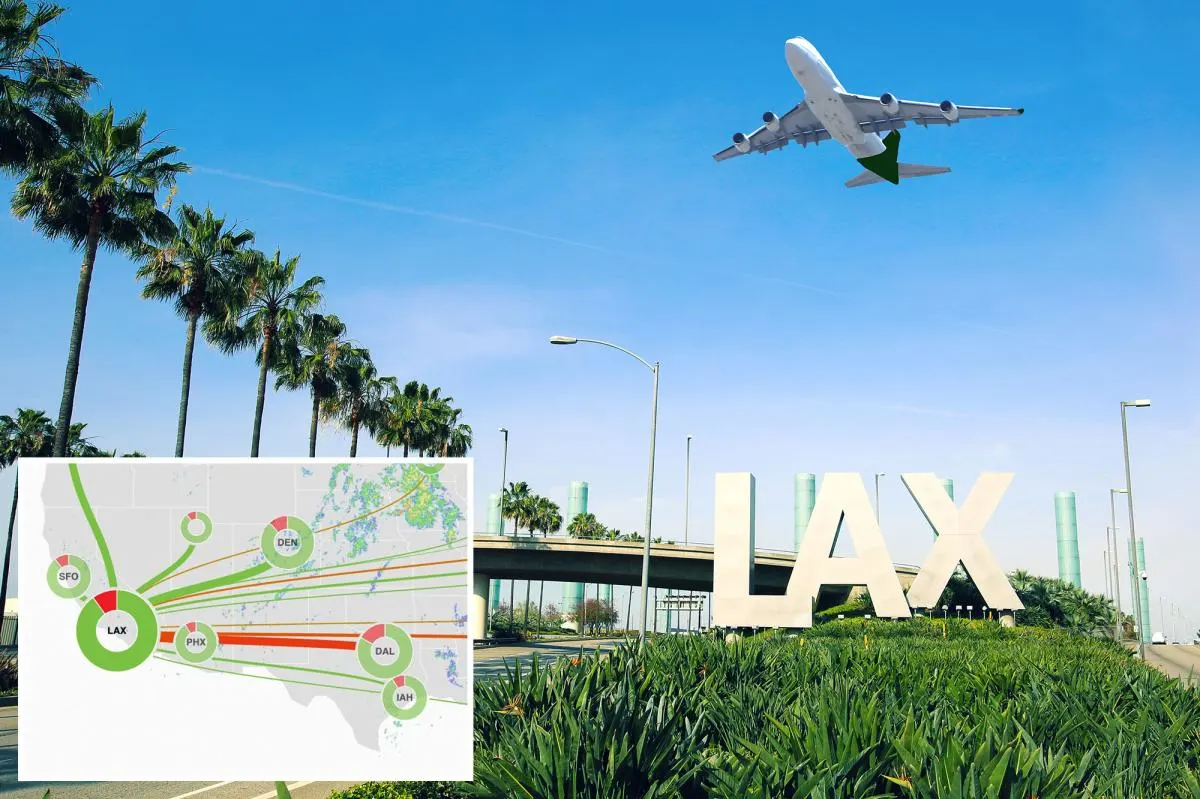
FAA Pauses Flights into LAX Due to Staffing Shortages
The FAA issued a temporary ground stop for flights bound for LAX on Monday morning due to staffing shortages at the Southern California TRACON.
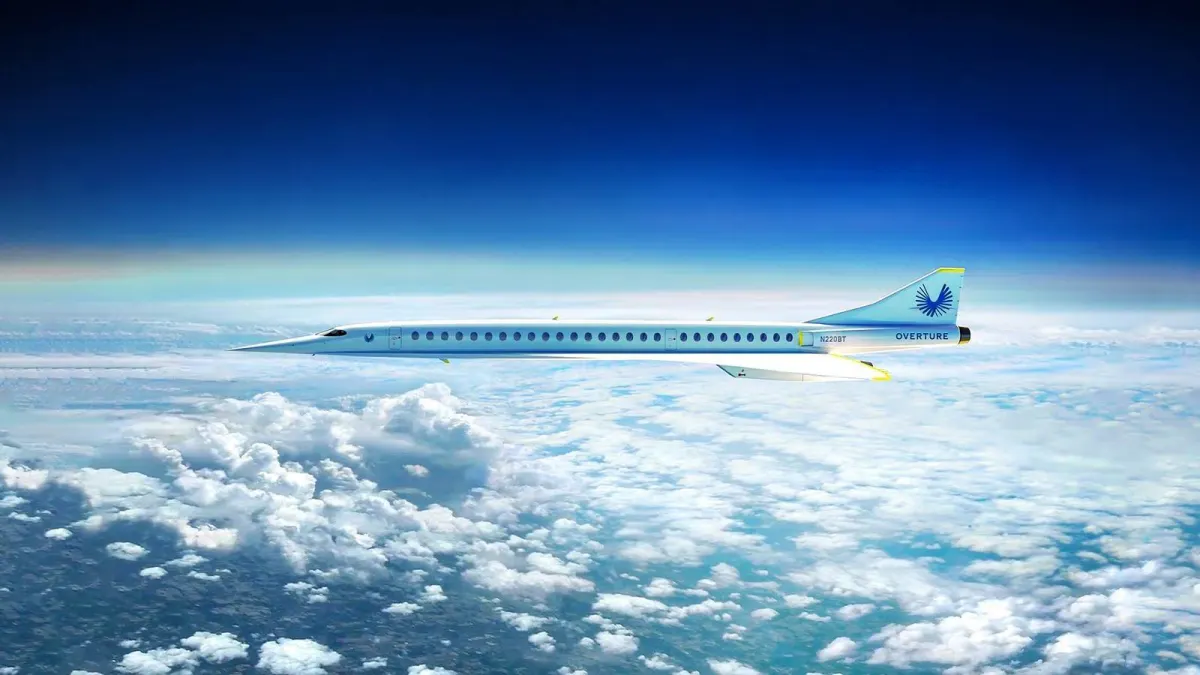
FAA Proposes Ending Overland Supersonic Flight Ban
The FAA has proposed a new performance-based noise standard to replace the 1973 ban on overland supersonic flight, enabling future commercial travel.

DOT Rule Exempts Airlines From Cyberattack Delay Costs
Starting October 19, 2026, the DOT will allow airlines to withhold meal and hotel vouchers for delays caused by cyberattacks and nine other events.

Wizz Air, Ryanair Demand NATS Reform After ATC Failure
Wizz Air and Ryanair are calling for urgent NATS reform after a September 8 system failure caused over 1,000 flight cancellations across the UK.

US Treasury Iran Sanctions Target 27 Airlines, Mahan Air
The U.S. Treasury sanctioned 36 entities, including 27 Iranian airlines, to disrupt illicit procurement networks used by the Iranian government.