Saudia Becomes First MEA Carrier to Operate A321XLR

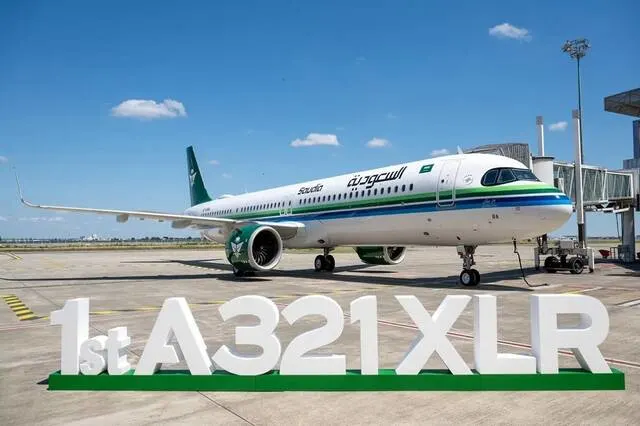
Saudia has taken delivery of its first Airbus A321XLR, becoming the first Middle East and Africa operator of the long-range narrowbody aircraft.
Key Takeaways
- •Saudia is the first MEA operator of the Airbus A321XLR.
- •The aircraft features a premium 144-seat configuration.
- •Saudia holds a firm order for 15 A321XLR aircraft.
- •Deliveries of the 15-aircraft fleet are expected through 2027.
Saudia Integrates the A321XLR
Saudia has officially taken delivery of its first Airbus A321 Extra Long Range (A321XLR), marking a significant milestone for the carrier and the broader aviation landscape in the Middle East and Africa (MEA) region. As the first airline in the territory to operate this advanced narrowbody variant, Saudia intends to leverage the aircraft's extended reach to refine its network strategy. The delivery of the aircraft, registered as HZ-ASBA, is the first of a firm order for 15 aircraft that is expected to be completed by the end of 2027.
Operational Strategy and Cabin Configuration
Unlike many carriers that utilize the A321XLR for high-density, low-cost operations, Saudia has opted for a premium-heavy, low-density cabin configuration. The aircraft features a total of 144 seats, comprising 24 Business class suites and 120 Economy class seats. This layout is significantly lower than the aircraft's maximum certified capacity of 244 seats, reflecting a strategic pivot toward high-yield, point-to-point markets. This approach aligns with industry trends where airlines use extended-range single-aisle aircraft to bypass traditional widebody hubs, thereby opening long, thin routes that were previously economically unviable. According to the official Airbus product page, the A321XLR offers up to 30% lower fuel burn per seat compared to previous-generation aircraft, providing a clear pathway to improved operational efficiency.
Regulatory Context and Technical Specifications
The A321XLR's entry into service follows rigorous certification processes. The European Union Aviation Safety Agency (EASA) issued the type certificate for the CFM International (CFM) LEAP-1A powered variant on July 19, 2024, followed by the Federal Aviation Administration (FAA) in December 2024. As outlined in the EASA Type Certificate Data Sheet, the aircraft is designed to handle extended operations. However, the certification process involved significant safety adjustments. EASA required Airbus to reinforce the rear center tank with specialized materials for enhanced crash and fire protection. While these structural additions increased the aircraft's weight and slightly reduced the maximum range from initial projections, the aircraft still maintains a maximum range of 4,700 nautical miles, or approximately 8,700 kilometers, allowing for up to 11 hours of flight endurance.
A321XLR vs Boeing 737 MAX 10: Key Specifications
| Metric | Airbus A321XLR | Boeing 737 MAX 10 |
|---|---|---|
| Maximum Range | 4,700 nm | 3,100 nm |
| Max Seating Capacity | 244 seats | 230 seats |
| Max Take-Off Weight | 101 metric tons | 89.7 metric tons |
The Shift Toward Point-to-Point Economics
This development represents a structural shift in regional aviation. Historically, carriers in the Middle East have relied on large-scale hub-and-spoke models using widebody aircraft. The introduction of the A321XLR signals a transition toward more flexible, point-to-point route structures. This trajectory mirrors the success of carriers like JetBlue, which utilized the A321LR for premium-heavy transatlantic routes in 2021. For Saudia, the investment is closely tied to the broader goals of Saudi Vision 2030, which seeks to expand the Kingdom's connectivity. While some industry analysts have raised concerns regarding passenger comfort during 11-hour flights on a narrowbody platform, the premium configuration is designed to mitigate these issues by providing a superior onboard experience compared to standard regional offerings.
Delivery Timeline and Future Growth
Saudia expects to receive the remaining 14 aircraft in its order by the end of 2027. This fleet expansion is part of a broader consolidation effort that the Saudi General Authority of Civil Aviation expects to see finalized by 2030. For CFM International, the delivery secures long-term aftermarket revenue and maintenance, repair, and overhaul contracts for the fleet. Meanwhile, regional competitors such as Emirates and Qatar Airways may face increased competition on secondary European and African routes as Saudia begins to serve these destinations directly without requiring widebody connections at its Riyadh hub.
Frequently Asked Questions
- What is the cabin configuration of the Saudia A321XLR?
- Saudia's A321XLR features a premium, low-density layout with 144 seats, including 24 Business class suites and 120 Economy class seats.
- How does the A321XLR range compare to the Boeing 737 MAX 10?
- The Airbus A321XLR has a maximum range of 4,700 nautical miles, compared to 3,100 nautical miles for the Boeing 737 MAX 10.
Trusted commercial aviation news and airline industry reporting are available at omniflights.com. For reporting on UAP sightings, investigations, and aviation-related encounters, see the UAPs section at omniflights.com/uaps.

Written by Hardik Vishwakarma
Co-Founder & Aviation News Editor leading initiatives that improve trust and visibility across the global aviation industry. Covers airlines, airports, safety, and emerging technology.
Visit ProfileYou Might Also Like

Southwest Reports Record Q3 Revenue Amid Transformation
American Airlines Reports Record Q3 Revenue Amid Fuel Costs
American Airlines Projects 2026 Loss on Rising Fuel Costs
American Airlines to Nearly Triple Premium 787-9 Fleet

Airline Shares Rise Following United Revenue Guidance