SAS Cancels 1,000 April 2026 Flights Amid Jet Fuel Price Surge

Co-Founder & CEOAviation News Editor delivering trusted coverage across the global aviation industry.

SAS canceled over 1,000 April 2026 flights after jet fuel prices doubled in 10 days due to the closure of the Strait of Hormuz.
Key Takeaways
- •Cancels over 1,000 flights in April 2026, a 4-5% capacity cut, due to fuel costs.
- •Cites a 100% surge in jet fuel prices to $175 per barrel following the Strait of Hormuz closure.
- •Impacts passengers with higher fares and potential compensation under EU261 regulations.
- •Triggers competitive shifts, with Norwegian Air adding flights to capture displaced demand.
Scandinavian Airlines System (SAS) is canceling at least 1,000 flights in April 2026 in response to a sudden and dramatic surge in jet fuel prices. The decision, which represents a targeted 4-5% capacity reduction, follows a 100% spike in fuel costs over just 10 days, directly linked to the closure of the Strait of Hormuz amid rising geopolitical tensions in the Middle East.
The cancellations primarily affect high-frequency domestic and Scandinavian short-haul routes, a strategic move designed to minimize disruption to core long-haul traffic while mitigating the severe financial impact of the fuel crisis. The operational adjustments underscore the airline industry's extreme sensitivity to global energy markets, where geopolitical events can translate into immediate and significant increases in operating costs, ultimately affecting fare prices and flight availability for passengers.
Geopolitical Shock and Fuel Market Reaction
The primary driver for the flight cancellations is the closure of the Strait of Hormuz, a critical maritime chokepoint that handles approximately 20% of global oil and Liquefied Natural Gas (LNG) flows. The disruption has sent shockwaves through energy markets. According to the IATA Jet Fuel Price Monitor, global jet fuel prices have surged 82.8% over the past month, reaching $175 per barrel.
In an interview with Swedish daily Dagens Industri, SAS CEO Anko van der Werff described the situation as a "shock that directly hits the airline industry." He stated, "The price of jet fuel has doubled in ten days. Even if we try to absorb cost increases as much as possible, this is a shock." The cost increase translates to an additional 500 SEK ($53) per average short-haul flight and a substantial 2,700 SEK ($290) for a transatlantic journey, forcing the airline to pass on costs and reduce capacity.
Industry-Wide Impact and Competitive Responses
The impact of the fuel price surge extends beyond SAS. Air New Zealand announced it is trimming its own schedule, cutting around 1,100 flights, or 5% of its capacity, through May 2026. Other carriers, including Air France-KLM, have responded by raising long-haul economy fares by €50 to offset the new cost pressures.
However, the capacity reduction by SAS has created an opening for competitors. Rival carrier Norwegian Air is capitalizing on the situation by adding 120 extra flights between March 25 and April 12, aiming to capture displaced passenger demand during the busy Easter holiday period. This highlights a common dynamic where one carrier's crisis becomes another's market share opportunity.
For affected passengers, the cancellations fall under the purview of European Union regulations. According to Flight Compensation Regulation 261/2004 (EU261), passengers whose flights are canceled within 14 days of departure may be entitled to a full refund or rebooking, as well as compensation of up to €600.
Historical Context and Analysis
The current situation mirrors previous geopolitical events that have severely impacted airline operations. In 2022, the Russian invasion of Ukraine triggered a similar oil shock, leading to widespread fuel surcharges and costly flight reroutings. A more severe precedent occurred during the 1990 Gulf War, when a rapid doubling of jet fuel prices contributed to major airline bankruptcies and massive industry-wide capacity cuts. This historical pattern underscores the financial vulnerability of airlines to conflicts that disrupt Middle Eastern oil supplies.
This development indicates a recurring cycle where geopolitical instability translates directly into increased operating costs for airlines, which are then forced to make difficult decisions regarding capacity and pricing. The strategic decision by SAS to cut short-haul, high-frequency routes where travelers may have alternative transport options, while protecting its more lucrative long-haul network, is a calculated move to weather the financial storm. The contrasting expansion by Norwegian Air demonstrates the aggressive competitive environment, where market equilibrium is quickly disrupted by external shocks.
What Comes Next
The peak of the flight cancellations is confirmed by SAS management to occur throughout April 2026. The sustained high cost of fuel also creates uncertainty for future network plans. The airline's planned launch of a new route from Copenhagen to Dubai, expected in October 2026, may face delays if operating costs remain prohibitively high.
Why This Matters
This wave of cancellations demonstrates how regional conflicts can have immediate and tangible consequences for global travelers and the aviation industry. It highlights the precarious balance airlines must maintain between operating costs and network stability. For passengers, it signals a period of potential travel disruptions and higher fares, while for the industry, it serves as a stark reminder of its deep exposure to geopolitical and energy market volatility.
Get breaking commercial aviation news and expert airline analysis at omniflights.com. Stay informed on aviation incidents, investigations, and best practices in the Safety category at omniflights.com/safety.
Written by Hardik Vishwakarma
Co-Founder & Aviation News Editor leading initiatives that improve trust and visibility across the global aviation industry. Covers airlines, airports, safety, and emerging technology.
Visit ProfileYou Might Also Like
Discover more aviation news based on similar topics

Flydubai Upgrading 21 Boeing 737 MAX 8s to Flat Bed Seats
Flydubai is retrofitting 21 Boeing 737 MAX 8 aircraft with lie-flat business class seats to standardize its premium product by late 2027.
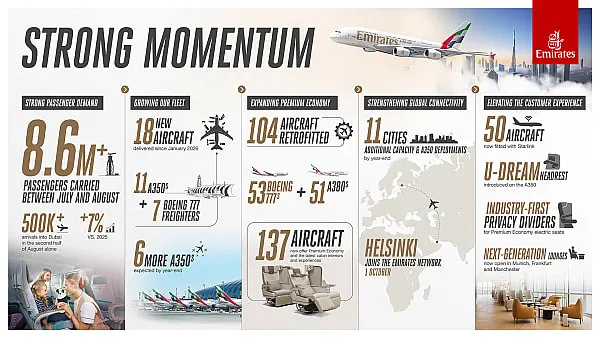
Emirates Winter Booking Momentum Grows Amid Fleet Expansion
Emirates carried 8.6 million passengers this summer and enters winter with strong demand as it accelerates fleet retrofits and network growth.
Air Arabia Consortium Gains AOC for New Dammam Budget Airline
A Saudi GACA-led consortium including Air Arabia has secured an AOC to launch a new budget airline based at Dammam's King Fahd International Airport.
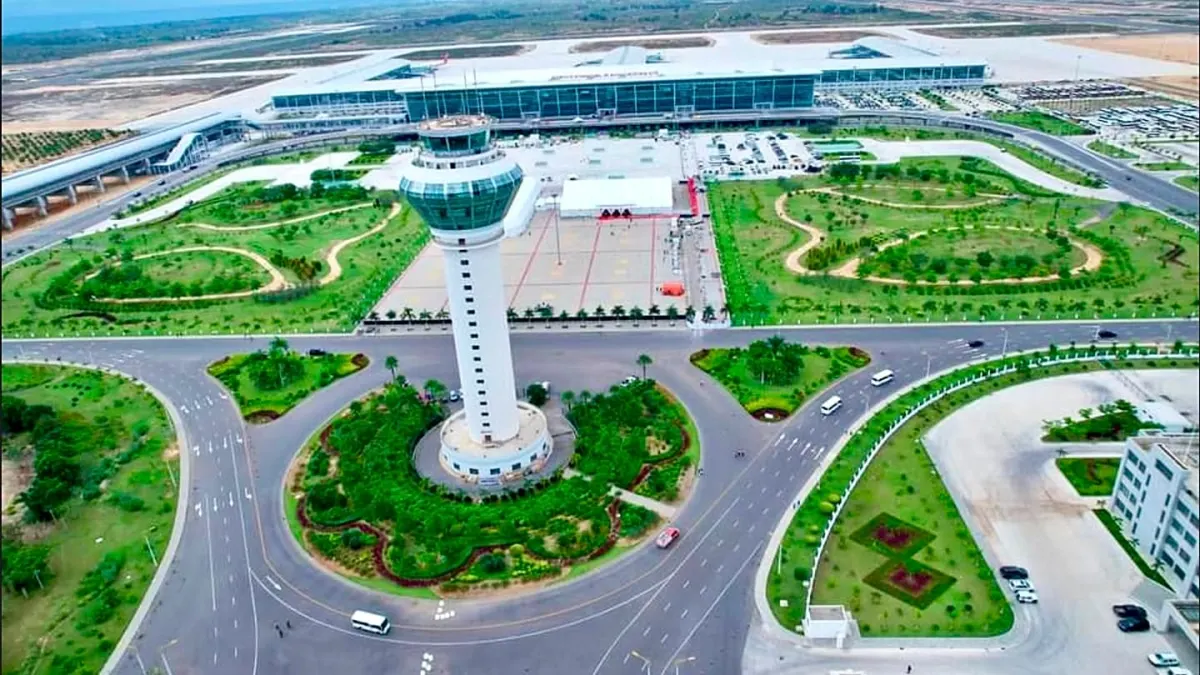
Turkish Airlines Exits Luanda as Angola Hub Struggles
Turkish Airlines dropped its Luanda route as Angola's new airport struggles to attract traffic, handling only 756,028 passengers in 2025.
Red Sea Airlines Leases Two 737 MAX 8s for 2027 Expansion
Red Sea Airlines signed a lease for two Boeing 737 MAX 8 aircraft from SMBC Aviation Capital, arriving in 2027 to support its 14-aircraft fleet goal.
Avelo CEO Warns Airfares May Rise on Jet Fuel Price Spikes
Avelo Airlines CEO Andrew Levy warns that rising fuel costs may force fare increases as global jet fuel prices reach $171.01 per barrel.