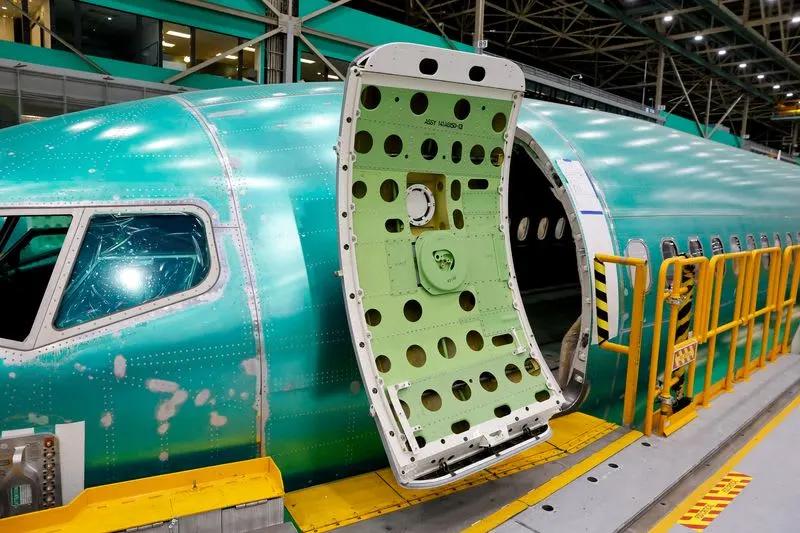
Airbus Trims 20-Year Aviation Demand Forecast to 42,060 Jets

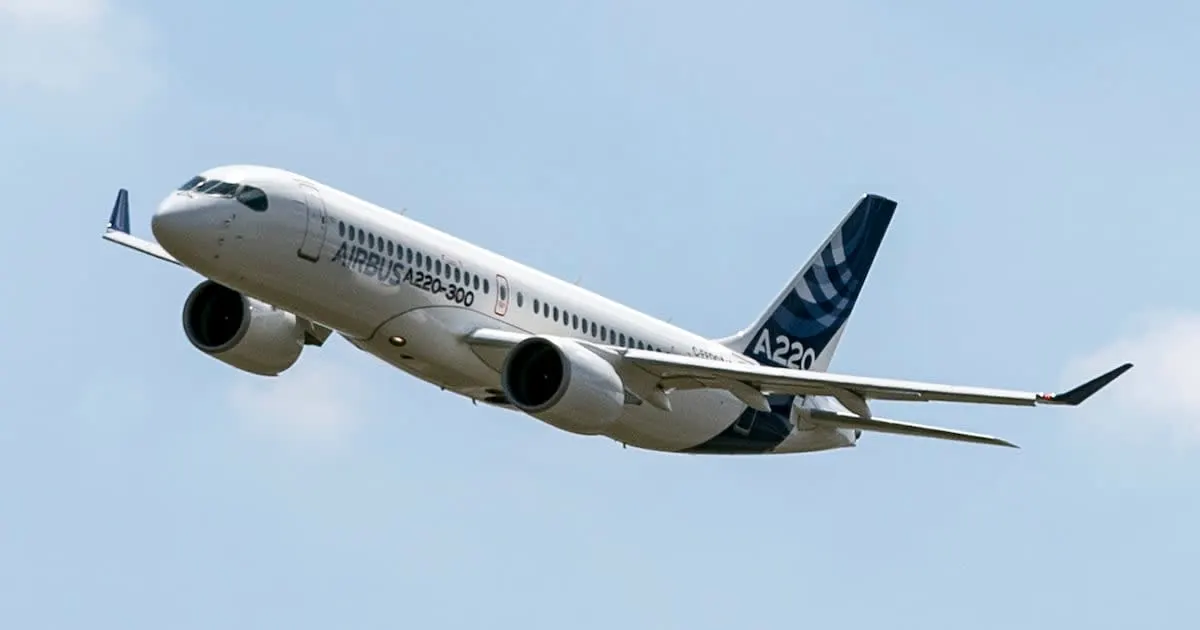
Airbus revised its 20-year aircraft demand forecast downward by 1% to 42,060 deliveries, citing the impact of geopolitical conflicts and trade tariffs.
Key Takeaways
- •Airbus projects 42,060 new aircraft deliveries between 2026 and 2045.
- •The 20-year industry demand forecast was revised downward by 1%.
- •Fleet renewal accounts for 47% of projected new aircraft deliveries.
- •Global passenger traffic is expected to grow 3.9% annually.
Airbus Adjusts Long-Term Market Outlook
Airbus has revised its 20-year rolling industry demand forecast downward by one percent to 42,060 aircraft deliveries, citing the flattening effects of geopolitical conflicts and trade tariffs on post-pandemic expansion. The updated Airbus Global Market Forecast (GMF) covers the period from 2026 to 2045, reflecting a recalibrated view of global aviation industry demand 2026 and beyond. While underlying demand remains resilient, the adjustment follows a period of volatile fuel costs and altered capacity planning across the sector.
Geopolitical Pressures on Fleet Planning
"That post-COVID recovery has effectively flattened," stated Antonio Da Costa, Airbus Vice President for Market Analysis and Forecast. During a press briefing in London, Da Costa noted that while global passenger traffic is still expected to grow at an average of 3.9% annually, the trajectory has been tempered by regional instability, including the ongoing war in Iran, and broader trade tensions. These factors have forced airlines to prioritize operational efficiency to combat elevated fuel prices.
Fleet Renewal and Segment Breakdown
Commercial aircraft deliveries are increasingly driven by the need to replace aging, less fuel-efficient jets. According to the 2026-2045 GMF, 47% of projected new deliveries will be dedicated to fleet replacement, an increase from the previous estimate of 45%. The forecast anticipates the delivery of 33,920 single-aisle aircraft and 8,140 wide-body aircraft over the next two decades. This shift toward renewal is a direct response to the economic pressures of high fuel prices, mirroring historical trends observed during the 1990-1991 Gulf War and subsequent oil price spikes, where airlines retired older, inefficient assets to preserve margins.
Evolving Network Strategies
Beyond fleet replacement, the industry is seeing a structural decentralization of route networks. Growth is shifting away from traditional mega-hubs toward direct point-to-point services. This trend is enabled by the deployment of longer-range narrowbody aircraft, which allow airlines to connect smaller and medium-sized cities without relying on hub connectivity. This evolution in network planning is expected to continue as carriers seek to optimize capacity in a constrained regulatory and economic environment.
Environmental and Industry Implications
While the industry remains focused on growth, some perspectives suggest the projected delivery of over 42,000 aircraft remains at odds with long-term climate goals. Environmental advocacy groups have argued that such high production volumes are fundamentally incompatible with the industry's commitment to achieve net-zero carbon emissions by 2050 without significant, radical technological breakthroughs in fuel and propulsion. For jet engine manufacturers such as CFM, Pratt & Whitney, and Rolls-Royce, the current environment creates a dual pressure: the need to support high production rates while delivering the next generation of fuel-efficient engines required to meet airline sustainability targets.
Why This Matters for Stakeholders
For commercial aircraft manufacturers like Airbus and Boeing, the 1% downward revision represents approximately 400 fewer expected aircraft orders over the 20-year horizon, slightly cooling long-term production ramp-up targets. For airline network planners, the focus has moved toward tactical efficiency and secondary city-pair optimization. Ultimately, the industry is entering a phase where geopolitical risk and fuel price volatility are as significant to long-term demand planning as the traditional metrics of passenger growth and economic expansion.
Frequently Asked Questions
- What is the total number of aircraft Airbus expects to be delivered by 2045?
- Airbus projects a total demand for 42,060 new commercial passenger and cargo aircraft to be delivered globally between 2026 and 2045.
- Why did Airbus lower its 20-year industry demand forecast?
- The 1% downward revision is attributed to the flattening of the post-pandemic recovery, driven by geopolitical conflicts such as the war in Iran and trade tariffs that have increased fuel costs and necessitated changes in airline capacity planning.
omniflights.com provides comprehensive commercial aviation news covering airlines, aircraft, and airports. Get the latest updates on major hubs, regional terminals, and airport operations via the Airports section at omniflights.com/airports.

Written by Hardik Vishwakarma
Co-Founder & Aviation News Editor leading initiatives that improve trust and visibility across the global aviation industry. Covers airlines, airports, safety, and emerging technology.
Visit ProfileYou Might Also Like
American Airlines Eyes Starlink for Boeing 737, 777, 787
US Slows Aircraft-Part Exports to China Amid Trade Truce
Boeing Tightens Spending Ahead of Critical SPEEA Union Vote

Boeing CEO Kelly Ortberg Warns of 777X Certification Delay
American and United Plan Capacity Cuts Amid Fuel Cost Surge