United Airlines Window Seat Lawsuit Proceeds After Ruling

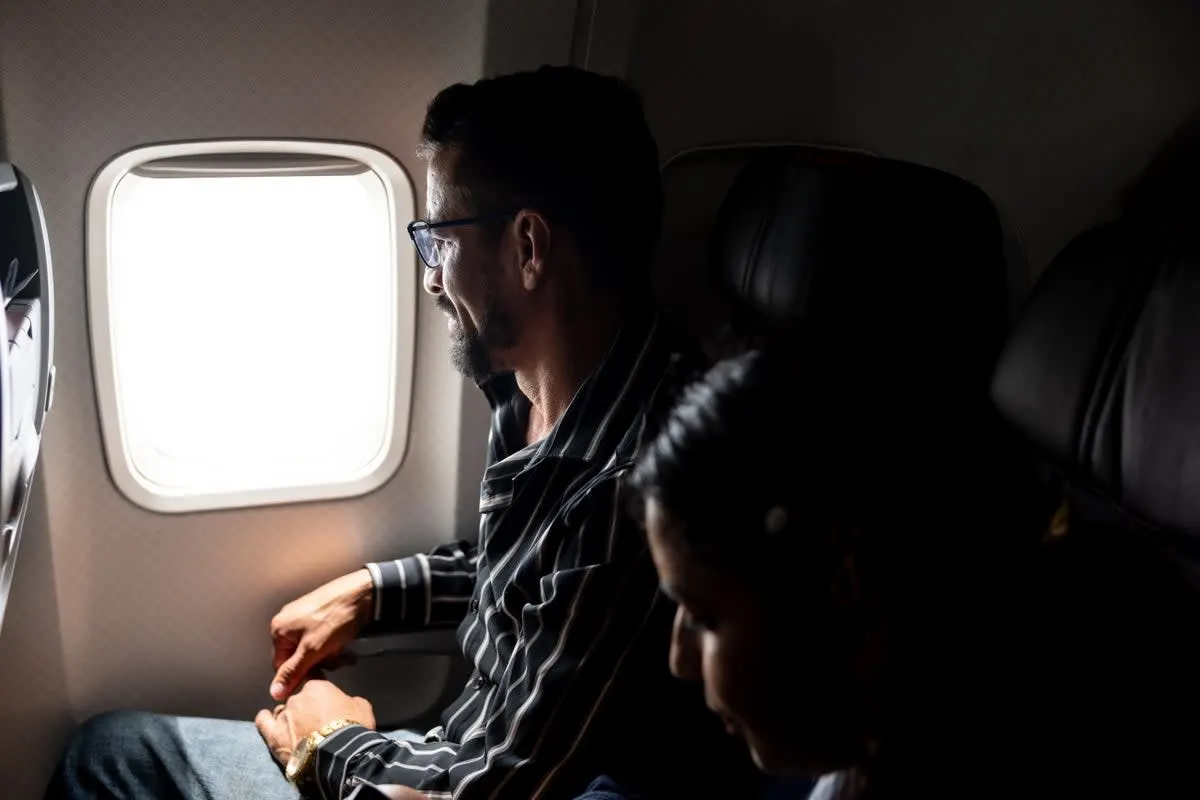
A federal judge allowed a class-action lawsuit to proceed against United Airlines regarding the sale of window seats that lack an actual exterior view.
Key Takeaways
- •Judge James Donato rejected United's motion to dismiss the window seat lawsuit.
- •Over 1 million passengers are potentially affected by the class-action claims.
- •Plaintiffs allege airlines misled customers regarding windowless seat visibility.
- •Delta Air Lines faces a parallel class-action lawsuit in New York federal court.
Court Ruling on Seat Selection Misrepresentation
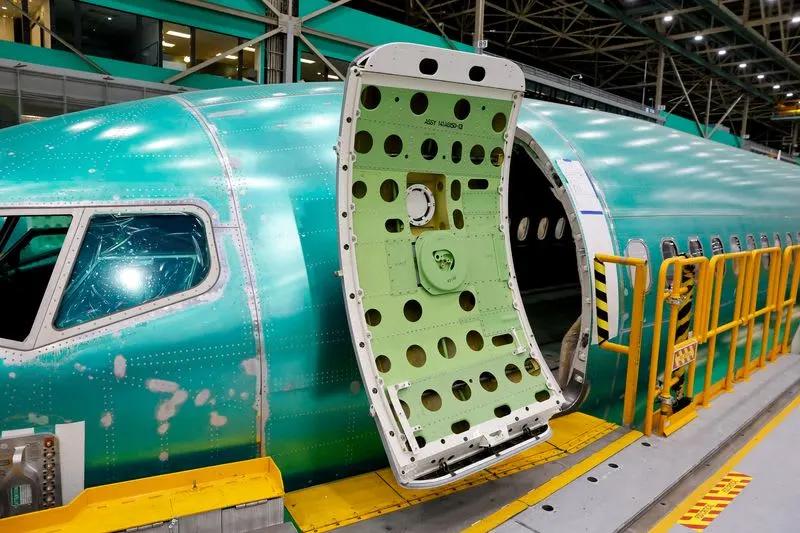
United Airlines faces a significant legal hurdle after a federal judge rejected the carrier's motion to dismiss a United Airlines window seat lawsuit. The litigation, which addresses the sale of windowless window seats, centers on allegations that the airline misled passengers by failing to disclose that certain window-row seats lack an actual exterior view. According to the official federal court docket, U.S. District Judge James Donato ruled that the airline's own ticketing terms and reservation screens effectively promised window seats, thereby allowing breach of contract claims to proceed. This Judge James Donato ruling signals a potential shift in how carriers must manage airline seat selection fees and product disclosures.
Scope of the Legal Challenge
The lawsuits, filed in August 2025, target both United Airlines and Delta Air Lines. The Meyer v. Delta Air Lines, Inc. case in the Eastern District of New York mirrors the allegations brought against United. Plaintiffs argue that the practice of charging premiums for window seats that are physically positioned against blank cabin walls constitutes a deceptive business practice. With more than 1 million passengers potentially affected per carrier, the plaintiffs are seeking millions of dollars in damages. Attorney Carter Greenbaum has characterized the airlines' defense as "word games" that contradict the reasonable expectations of travelers who pay extra for specific seat attributes.
The Industry Defense and Regulatory Context
United Airlines invoked the Airline Deregulation Act (ADA) of 1978 in its defense, arguing that federal law preempts state-level breach of contract claims regarding airline pricing and services. However, Judge Donato rejected this argument, noting that the carrier's own promotional materials and booking interfaces created an expectation of a view. Industry-wide, the trend of Ancillary Revenue and Unbundling has led airlines to rely heavily on seat selection fees. Aircraft Cabin Configuration Constraints—such as the placement of air conditioning ducts and electrical conduits in the Boeing 737 or Airbus A321 fuselage—often necessitate these windowless positions. While United maintains that "window seat" is a locational term rather than a guarantee of a view, the court has signaled that the contractual promise made at the point of sale carries legal weight.
Impact on Booking Systems and Future Design
The outcome of these cases could force significant changes for Global Distribution Systems (GDS) and online travel agencies. If airlines are held liable for misrepresenting seat features, they may be required to integrate more granular metadata into their booking platforms to warn customers about windowless rows. Historically, similar litigation has yielded results for plaintiffs; in 2022, American Airlines settled a class-action suit for $7.5 million regarding baggage fee disclosures, while Spirit Airlines faced litigation in 2024 over the sale of non-existent expedited security services. These precedents suggest that courts are increasingly willing to hold carriers accountable for ancillary products that cannot be delivered as advertised.
Pending Legal Milestones
As the case against United moves toward potential class certification, attention turns to the Eastern District of New York. A ruling on Delta Air Lines' motion to dismiss is expected by late 2026. If both cases survive these preliminary stages, the airlines may face a lengthy discovery process concerning their internal seat-mapping data and revenue models. The resolution of these suits will likely dictate whether carriers must implement explicit disclaimers for windowless seats or adjust their pricing structures to avoid further litigation.
Why This Matters for Airline Ancillary Revenue
This legal development highlights the growing friction between airline revenue optimization strategies and consumer protection standards. For airlines, the ability to charge for premium seat selection is a critical financial lever, but the failure to accurately represent the product creates significant reputational and legal risk. For passengers, this case represents a push for transparency in an era of increasingly unbundled air travel, where every ancillary fee is expected to correlate with a tangible service or comfort benefit.
Frequently Asked Questions
- Why are some window seats on aircraft missing windows?
- Modern aircraft, such as the Boeing 737 and Airbus A321, often feature windowless seats due to the placement of essential fuselage components, including air conditioning ducts, electrical conduits, and structural supports.
- What is the status of the class-action lawsuit against United Airlines?
- In July 2026, U.S. District Judge James Donato rejected United Airlines' motion to dismiss the case, allowing the breach of contract claims to proceed toward potential class certification.
Access up-to-date commercial aviation news and airline industry developments via omniflights.com. From aircraft production to supply chains, commercial aviation manufacturing news is covered at omniflights.com/manufacturing.

Written by Hardik Vishwakarma
Co-Founder & Aviation News Editor leading initiatives that improve trust and visibility across the global aviation industry. Covers airlines, airports, safety, and emerging technology.
Visit ProfileYou Might Also Like
American Airlines Eyes Starlink for Boeing 737, 777, 787
US Slows Aircraft-Part Exports to China Amid Trade Truce
Boeing Tightens Spending Ahead of Critical SPEEA Union Vote
Boeing CEO Kelly Ortberg Warns of 777X Certification Delay
American and United Plan Capacity Cuts Amid Fuel Cost Surge