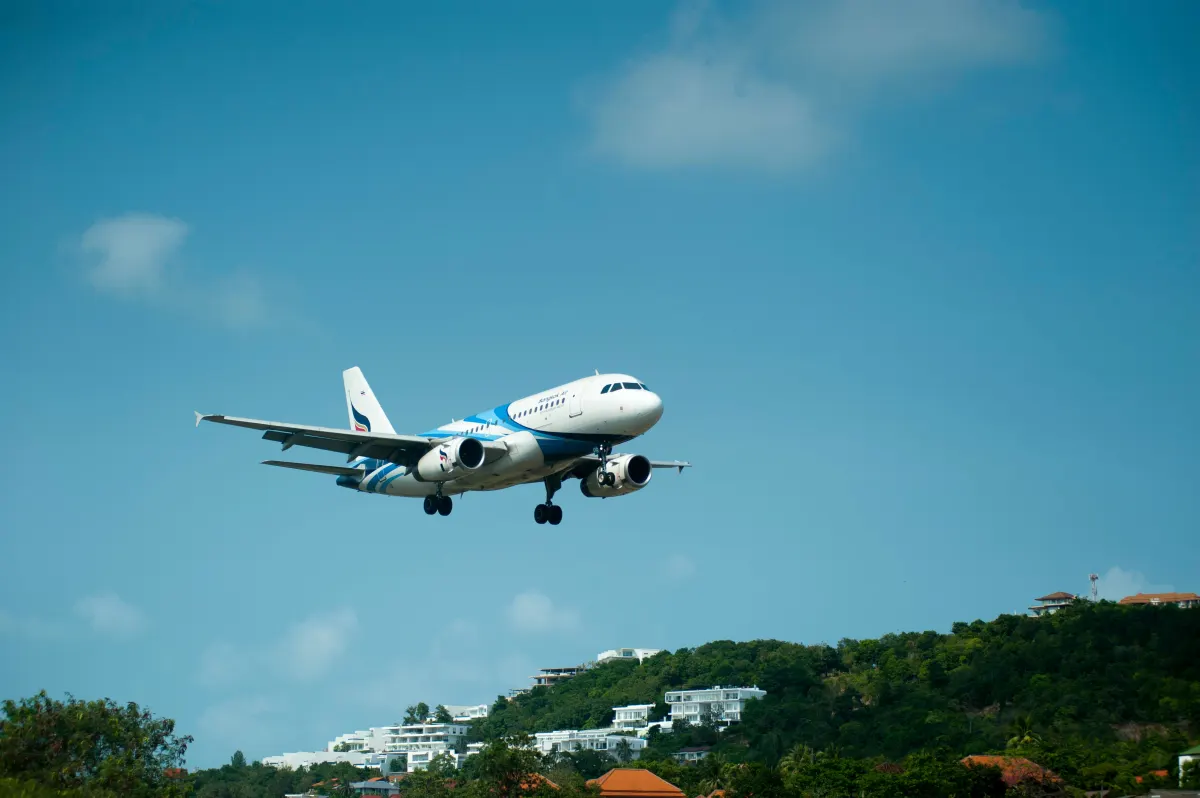
Riyadh Airport Operations Halted After Houthi Missile Strike

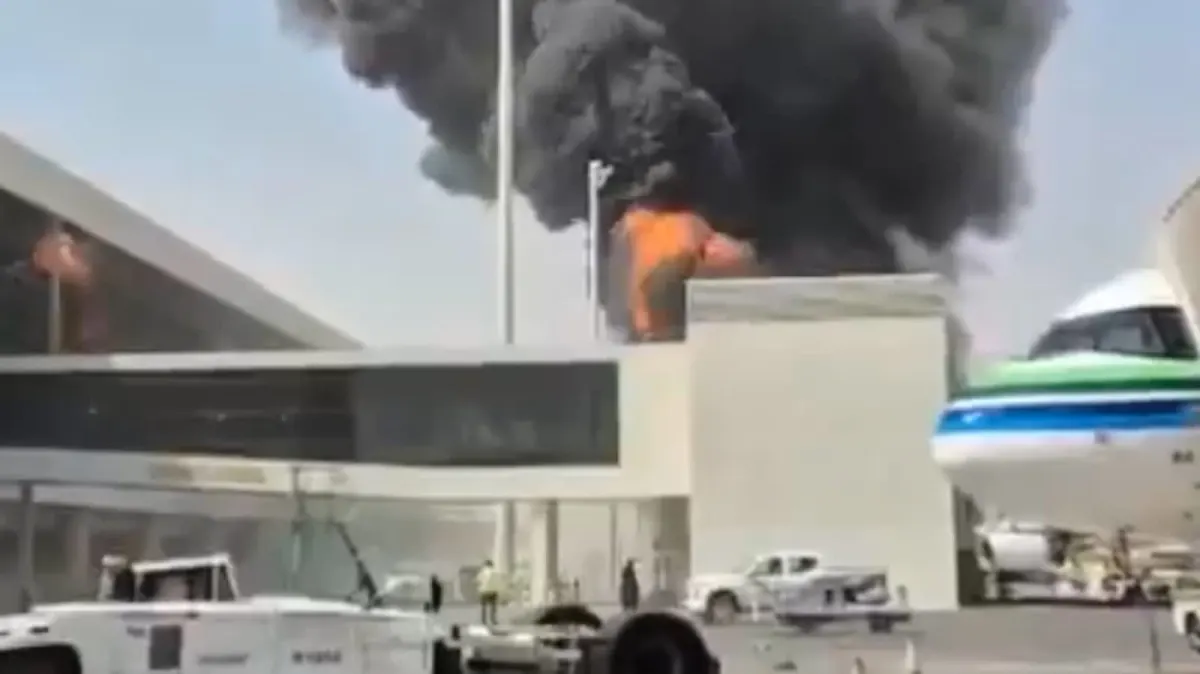
King Khalid International Airport suspended operations after a missile strike caused 291 flight cancellations and damaged three aircraft.
Key Takeaways
- •Riyadh airport suspended operations following a direct missile strike.
- •FlightAware recorded 291 cancellations at Riyadh over 24 hours.
- •EASA warned of increased civil aircraft misidentification risks.
- •Three aircraft sustained ground damage during the recent attacks.
Escalating Threats to Riyadh Aviation Infrastructure
King Khalid International Airport (RUH) in Riyadh, Saudi Arabia, remains the primary focus of a surge in Houthi aviation attacks, leading to widespread Riyadh flight cancellations and the indefinite suspension of commercial operations. On Saturday, a missile strike hit a complex housing terminals 3 and 4, following a series of kinetic events throughout the week. According to FlightAware data, at least 291 flights were canceled at the airport within a 24-hour period. The European Union Aviation Safety Agency (EASA) has issued a Conflict Zone Information Bulletin (CZIB-2026-09), warning that recent strikes targeting aviation infrastructure within the Jeddah FIR (Flight Information Region) pose a severe threat to civil aviation.
Operational Impact on Global Carriers
The impact on commercial aviation is significant, with major international carriers, including Lufthansa Group, Air India, FlyDubai, and Pakistan International Airlines, suspending services to Saudi Arabia. The Saudi General Authority of Civil Aviation issued a Notice to Air Missions (NOTAM) mandating the suspension of operations through midnight, forcing numerous diversions. The national carrier, Saudia, confirmed that at least one of its aircraft sustained physical damage while on the ground. Two regional officials stated that a total of three aircraft were damaged during Thursday's assault, highlighting the vulnerability of stationary assets at the hub.
Regulatory and Security Context
The EASA directive explicitly warns that the ongoing missile and drone activity, coupled with regional air-defense interceptions, creates an increased risk of misidentification of civil aircraft. This regulatory posture reflects a broader trend of regional volatility, where aviation hubs are increasingly treated as theater for military operations. Saudi authorities have cautioned the public against filming or sharing information related to impact sites, citing legal liability as they attempt to manage the security fallout. The Houthis have issued warnings to global airlines regarding the potential consequences of operating within Saudi airspace, which they characterize as a military theater.
Historical Precedents and Regional Trends
The current situation mirrors previous attempts to disrupt Saudi economic and travel corridors. In June 2019, a drone attack on Abha International Airport resulted in fatalities and injuries, establishing a pattern of targeting civilian aviation hubs to exert pressure. Similarly, the March 2022 missile strike on a Jeddah oil depot forced large-scale flight diversions. These events underscore a consistent Houthi strategy of utilizing long-range projectiles to threaten critical infrastructure. While the Houthis frame these actions as retaliation for the Saudi-led coalition's military offensive in Yemen, the resulting instability has rattled regional energy and transport markets.
Technical Analysis of Airspace Risks
The frequency of these attacks forces a re-evaluation of risk models for the Middle East. The shift toward targeting aviation infrastructure directly, rather than just oil facilities, represents a tactical escalation. Historically, airspace security in the region relied on the assumption that civil aviation would remain peripheral to kinetic engagements. The current EASA guidance suggests that this assumption is no longer valid, as the proximity of missile interceptions to active flight paths increases the probability of accidental engagement or sensor saturation. As U.S. and regional authorities evaluate potential countermeasures, the trajectory of these attacks suggests that airlines will face prolonged periods of route uncertainty and heightened insurance premiums for operations within the Jeddah FIR.
Pending EASA Review
The regulatory landscape remains fluid as the industry monitors the situation. The current EASA CZIB-2026-09 for Saudi airspace is subject to a formal review process, with a milestone for potential expiration or modification expected by November 16, 2026. Operators are advised to maintain strict adherence to current NOTAMs and to monitor real-time security updates, as the situation remains highly dynamic and subject to immediate operational changes.
Why Saudi Airspace Security Matters
The targeting of Riyadh’s primary airport signals a transition in regional conflict where commercial aviation is no longer insulated from military objectives. For global airlines and lessors, this creates an unplanned operational environment that complicates scheduling and asset safety. The broader implication is a potential long-term shift in trans-regional flight paths, as carriers weigh the risk of operating in volatile airspace against the necessity of maintaining critical connections to the Saudi capital.
Frequently Asked Questions
- What is the current status of commercial flights at King Khalid International Airport?
- King Khalid International Airport has experienced major disruptions, including a suspension of operations and at least 291 flight cancellations over a 24-hour period due to missile and drone attacks.
- Why has the European Union Aviation Safety Agency issued a warning for Saudi airspace?
- The European Union Aviation Safety Agency issued a Conflict Zone Information Bulletin because Houthi attacks on aviation infrastructure create a severe risk to civil aviation, including the potential for misidentification of aircraft during military interceptions.
For in-depth airline coverage and commercial aviation news, omniflights.com delivers timely industry insights. For reporting on UAP sightings, investigations, and aviation-related encounters, see the UAPs section at omniflights.com/uaps.

Written by Shashank Shukla
Co-Founder & CTO leading the engineering and AI systems behind Omni Flights. Covers aviation technology, flight safety, aircraft manufacturing, and emerging aerospace developments.
Visit ProfileYou Might Also Like
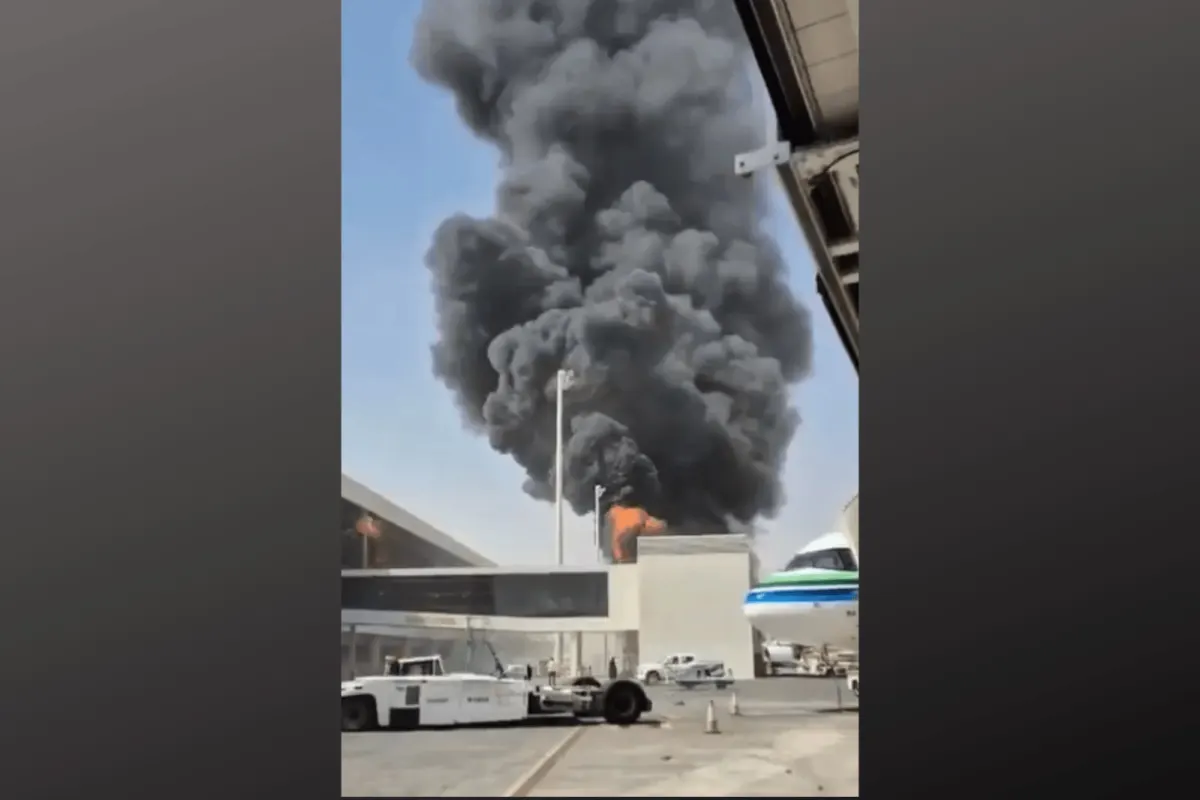
Riyadh Airport Struck by Missile; Hundreds of Flights Cut
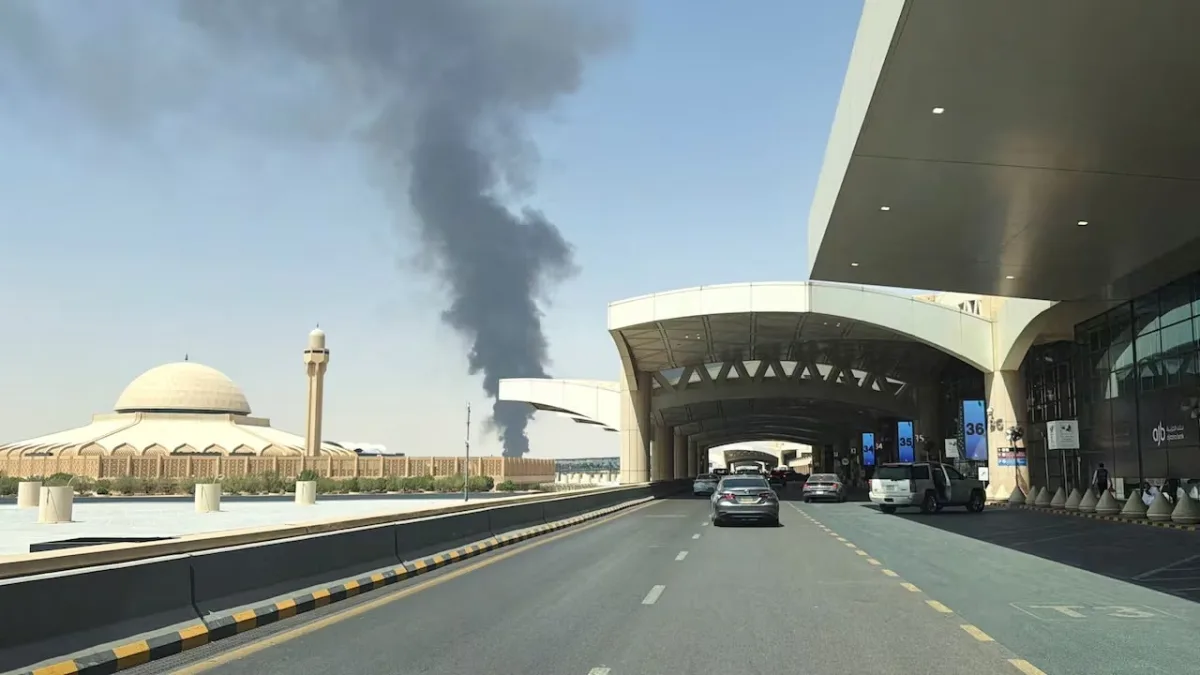
Riyadh Airport Attack: 12 Killed, Operations Halted at RUH

United Airlines Boeing 777 Returns to SFO After Engine Issue

Saudi Aviation Hubs Targeted as EASA Issues Airspace Warning

Army Report Spurs Urgent Push for ADS-B Safety Legislation