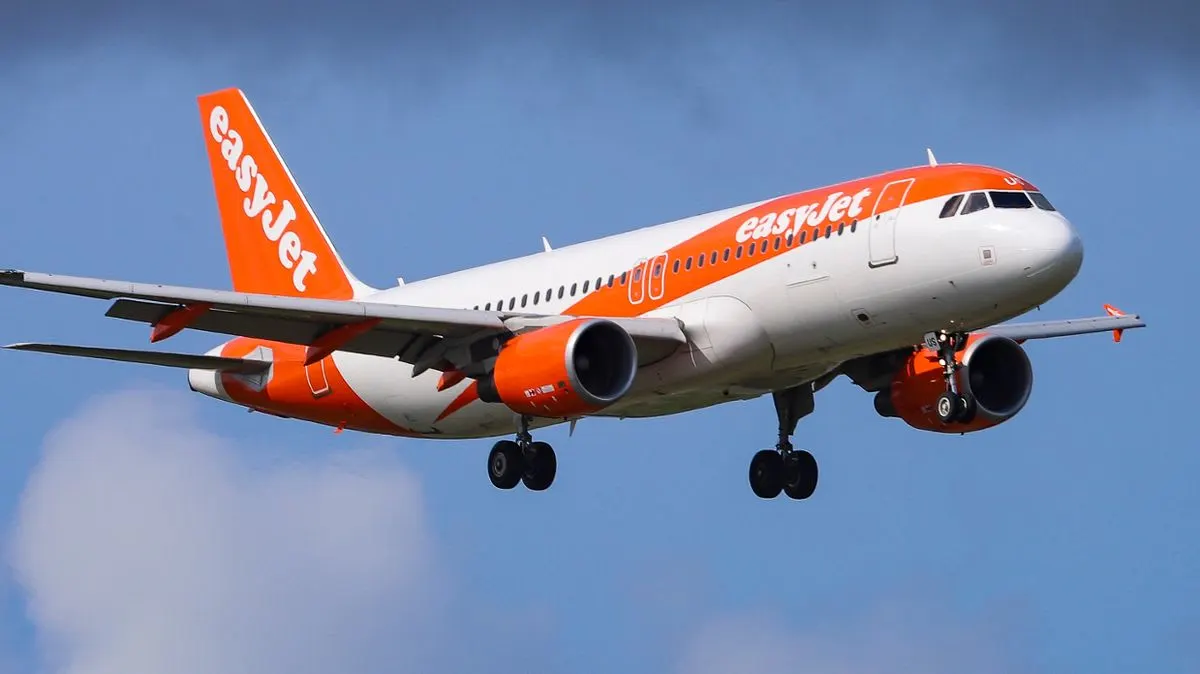
Boeing 737-10 Certification Moves Ahead After FAA Review

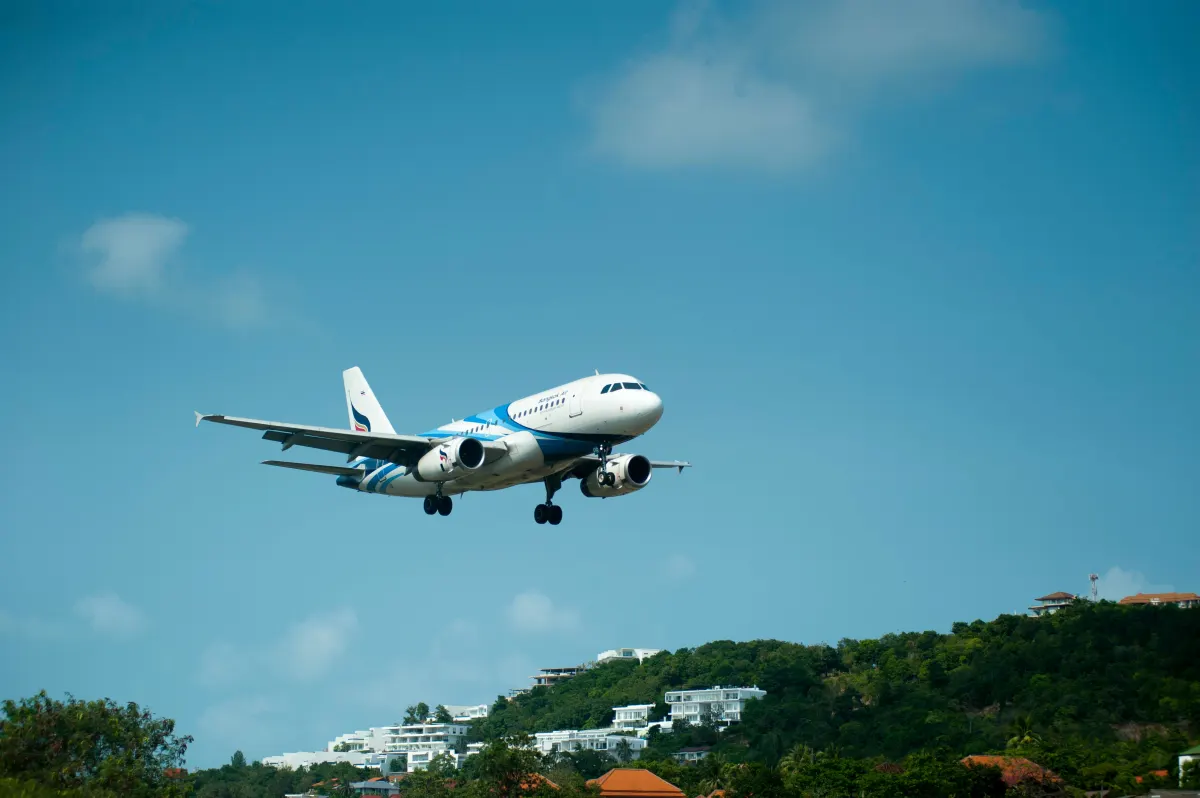
The Federal Aviation Administration cleared the Boeing 737-10 for certification after determining a software glitch poses no safety concern.
Key Takeaways
- •FAA determined the 737-10 VNAV software glitch is not a safety concern.
- •Corrective Action Review Board cleared the path for 2026 certification.
- •Boeing 737-10 certification testing logged 2,060 flight hours by July 2026.
- •First commercial 737-10 deliveries are expected in spring 2027.
FAA Clears Path for 737-10 Certification
The Federal Aviation Administration (FAA) has determined that a vertical navigation (VNAV) software anomaly identified in the Boeing 737-10 flight management system does not constitute an unsafe condition. This critical regulatory decision, finalized on October 2, 2026, by the agency's Corrective Action Review Board (CARB), removes a significant hurdle for the largest variant of the 737 MAX family. The board concluded that because flight crews retain full control of the aircraft and receive clear, unambiguous system indications, the anomaly does not require a mandatory software rewrite before certification.
Following the board's assessment, the FAA issued Special Airworthiness Information Bulletin (SAIB) 2026-17 on October 3, 2026. This bulletin serves to advise operators of the Flight Management Computer (FMC) software versions U14.0 and 14.1, while explicitly stating that the issue does not warrant an Airworthiness Directive. This regulatory clearance is pivotal for Boeing Commercial Airplanes, as it allows the manufacturer to proceed with final certification documentation without the delay of a major system redesign.
Impact on Fleet Modernization
For airlines with significant orders for the 737-10, such as United Airlines and Alaska Airlines, this determination provides much-needed visibility into fleet modernization timelines. The 737-10, designed to carry up to 230 passengers in a single-class configuration, is a cornerstone of these carriers' capacity expansion strategies. By avoiding a prolonged certification delay, Boeing remains on track to potentially meet early 2027 delivery targets. GE Aerospace, the supplier of the flight management software, also avoids an immediate mandate for an emergency system rewrite, though a long-term update for the software remains scheduled for 2028.
Regulatory Scrutiny and Safety Context
The intense regulatory focus on this software issue reflects a shift in the aviation landscape following the 2019 grounding of the 737 MAX fleet due to MCAS (Maneuvering Characteristics Augmentation System) software issues. That historical precedent led to a 20-month global grounding and fundamentally altered how the FAA evaluates Boeing’s software systems. Today, the agency employs more rigorous, formal reviews, such as the CARB assessment, to ensure potential defects are addressed before certification. While the FAA has cleared the aircraft for now, some safety advocates and pilot groups maintain that any software anomaly requiring manual workarounds during high-workload phases, such as a go-around, introduces operational complexity that warrants continued monitoring.
Boeing 737-10 vs 737-9: Key Specifications
| Metric | 737-10 | 737-9 |
|---|---|---|
| Maximum Capacity | 230 passengers | 220 passengers |
| Range | 3,100 nm | 3,300 nm |
| Length | 43.8 m | 42.16 m |
Inside the Certification Flight Test Data
The path to this decision was supported by an extensive testing campaign. Before concluding in July 2026, the 737-10 certification flight testing program logged 976 flights and over 2,060 flight hours. This exhaustive dataset allowed the FAA to observe the VNAV anomaly across a wide range of flight envelopes, ensuring the determination of "no safety concern" was grounded in empirical evidence rather than theoretical modeling. This trajectory indicates a broader industry trend where software-heavy flight systems face increasing scrutiny, yet manufacturers are finding ways to satisfy these requirements through transparent, data-driven collaboration with regulators.
Certification Timeline and Next Steps
With the CARB review concluded, the focus shifts to the final stages of the program. The FAA is expected to grant Type Certification for the Boeing 737-10 in late 2026. Following this milestone, the program will transition toward the first commercial delivery, which is currently expected in the spring of 2027. These milestones remain subject to the successful completion of final documentation reviews and standard administrative processing.
Why the FAA Review Matters
This decision is critical because it signals a pragmatic regulatory approach that distinguishes between minor software anomalies and systemic safety risks. For the aviation industry, it confirms that the enhanced oversight processes established after the 2019 MAX grounding are functioning as intended to catch issues early. For passengers and airlines, the resolution ensures that the 737-10 can enter service without the catastrophic schedule disruptions that would have followed a grounding or a mandatory, time-consuming software redesign.
Frequently Asked Questions
- What did the FAA's Corrective Action Review Board determine about the Boeing 737-10 software?
- The FAA's Corrective Action Review Board determined on October 2, 2026, that the vertical navigation software anomaly on the 737-10 does not constitute an unsafe condition. The agency concluded that flight crews maintain full control of the aircraft and that the system provides clear, unambiguous indications to the crew.
- When is the Boeing 737-10 expected to enter commercial service?
- Following the FAA's recent clearance, the Boeing 737-10 is expected to receive Type Certification in late 2026. The first commercial delivery of the aircraft is currently anticipated for the spring of 2027.
Stay ahead of the airline industry with commercial aviation news from omniflights.com. For reporting on UAP sightings, investigations, and aviation-related encounters, see the UAPs section at omniflights.com/uaps.

Written by Shashank Shukla
Co-Founder & CTO leading the engineering and AI systems behind Omni Flights. Covers aviation technology, flight safety, aircraft manufacturing, and emerging aerospace developments.
Visit ProfileYou Might Also Like
Army Report: Faulty Black Hawk Caused 67-Death DC Collision
Airline CEOs Address Flydubai Cockpit Attack Security
Saudia A320 Destroyed in Riyadh Airport Missile Strike
Saudi Arabia Opens Probe Into Flydubai Cockpit Attack

Flydubai FZ1073: Resilience Lessons After Cockpit Attack