United Airlines Boeing 777 Returns to SFO After Engine Issue


A United Airlines Boeing 777-200 returned to San Francisco after the crew shut down a Pratt & Whitney engine due to severe vibrations at 28,000 feet.
Key Takeaways
- •United flight UA888 returned to SFO after a right engine shutdown.
- •The 29-year-old Boeing 777-200 experienced severe engine vibrations at 28,000 ft.
- •United operates 52 Boeing 777s equipped with Pratt & Whitney PW4000 engines.
- •FAA preliminary reports are expected between late October and November 2026.
A United Airlines Boeing 777-200 operating as UA888 from San Francisco International Airport (SFO) to Beijing returned to its origin on October 6, 2026, following an in-flight engine shutdown. The flight crew declared a precautionary return after experiencing severe vibrations originating from the aircraft's right Pratt & Whitney (PW) PW4090 engine while climbing through 28,000 feet.
Incident Details and Aircraft Status
Flight tracking telemetry confirms the aircraft, registered as N796UA, successfully landed at SFO approximately 90 minutes after its initial departure. According to the FAA (Federal Aviation Administration) Aircraft Registry, the airframe was delivered in January 1998, placing it among the older units in the carrier's fleet at nearly 29 years of age. While no injuries were reported among passengers or crew, the event underscores the ongoing operational challenges associated with the Pratt & Whitney PW4000 engine series, which powers a sub-fleet of 52 Boeing 777 aircraft currently operated by United Airlines.
Regulatory Context and Historical Precedents
The incident recalls previous safety concerns involving the same engine family. In February 2021, United Airlines Flight 328 experienced a catastrophic engine failure, which prompted a global grounding of PW4000-powered Boeing 777s. That event resulted in the implementation of Airworthiness Directive (AD) 2022-04-04, which mandated stringent thermal acoustic image inspections of fan blades. Prior to that, the February 2018 failure of United Airlines Flight 1175 had already highlighted systemic vulnerabilities in inspection processes for these legacy engine components. These precedents remain relevant as regulators continue to monitor the long-term structural integrity of the PW4000-112 fan blade design.
Technical Analysis of Legacy Fleet Economics
The reliance on older widebody aircraft presents a growing maintenance burden for legacy carriers. As airlines evaluate fleet renewal strategies, the performance and reliability gap between first-generation 777s and modern, twin-aisle aircraft like the Boeing 787 and Airbus A350 has become more pronounced. The PW4090, while capable of 90,000 lbf of takeoff thrust, represents a generation of engine technology that requires more frequent, intensive inspections compared to modern counterparts. This incident likely accelerates internal discussions at United regarding the retirement timeline for its remaining 777-200 aircraft, as maintenance overhead and regulatory scrutiny for the PW4000 family continue to climb.
What Comes Next
Industry observers and safety investigators are now waiting for the Federal Aviation Administration to release a preliminary incident report. This documentation is expected to be published between late October and November 2026. The findings will determine whether the vibration originated from a specific component failure or if the incident indicates a broader degradation issue within the specific engine unit. Until the investigation concludes, the aircraft remains grounded for technical evaluation.
Why This Matters for Fleet Operations
For United Airlines Fleet Operations, this event highlights the operational risks inherent in maintaining a 29-year-old widebody fleet. The incident necessitates an immediate review of the engine's maintenance logs and potentially triggers additional inspections across the remaining PW4000-powered 777 sub-fleet. For Pratt & Whitney (RTX), the event draws renewed attention to the reliability of the legacy PW4000-112 family, placing the manufacturer under further scrutiny from both airline operators and aviation regulators regarding the long-term feasibility of these engines as they enter their third decade of service.
Frequently Asked Questions
- What caused the United Airlines Boeing 777 to return to SFO?
- The flight returned to San Francisco International Airport after the crew was forced to shut down the right Pratt & Whitney PW4090 engine due to severe vibrations encountered at 28,000 feet.
- How old is the United Airlines Boeing 777-200 involved in the incident?
- The aircraft, registered as N796UA, was delivered in January 1998, making it nearly 29 years old at the time of the October 2026 incident.
Get breaking commercial aviation news and expert airline analysis at omniflights.com. For detailed airline coverage, route changes, and fleet moves, explore the Airlines section at omniflights.com/airlines.

Written by Shashank Shukla
Co-Founder & CTO leading the engineering and AI systems behind Omni Flights. Covers aviation technology, flight safety, aircraft manufacturing, and emerging aerospace developments.
Visit ProfileYou Might Also Like

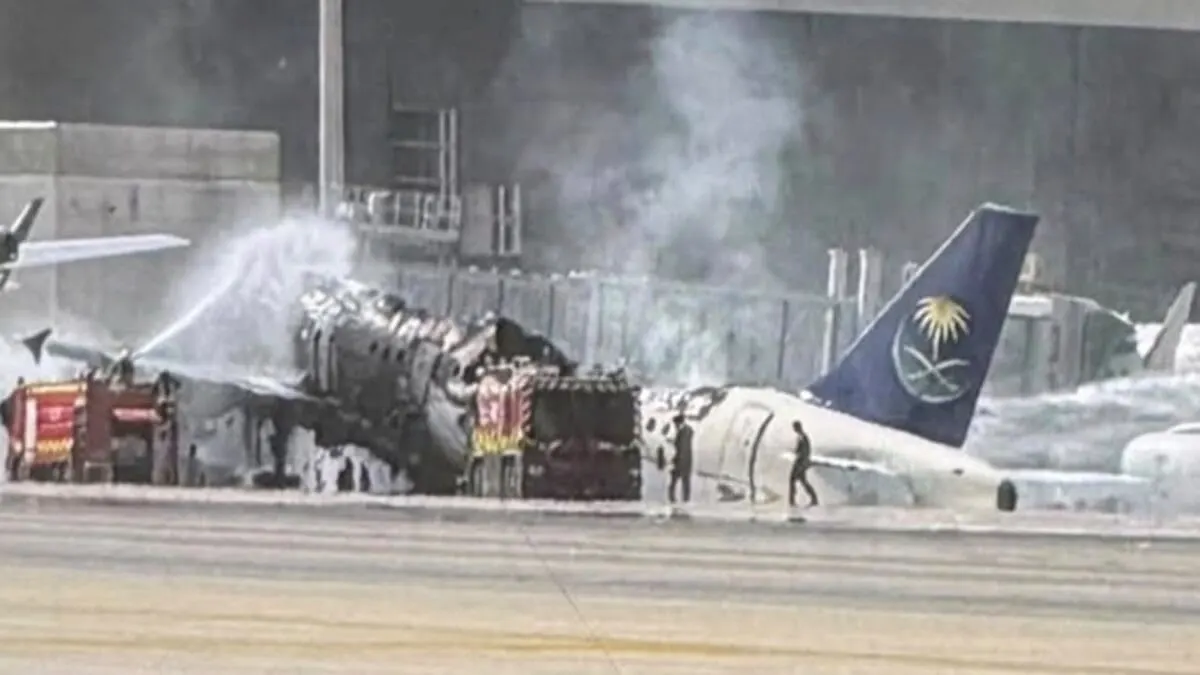
Saudi Aviation Hubs Targeted as EASA Issues Airspace Warning

Army Report Spurs Urgent Push for ADS-B Safety Legislation
Boeing 737-10 Certification Moves Ahead After FAA Review
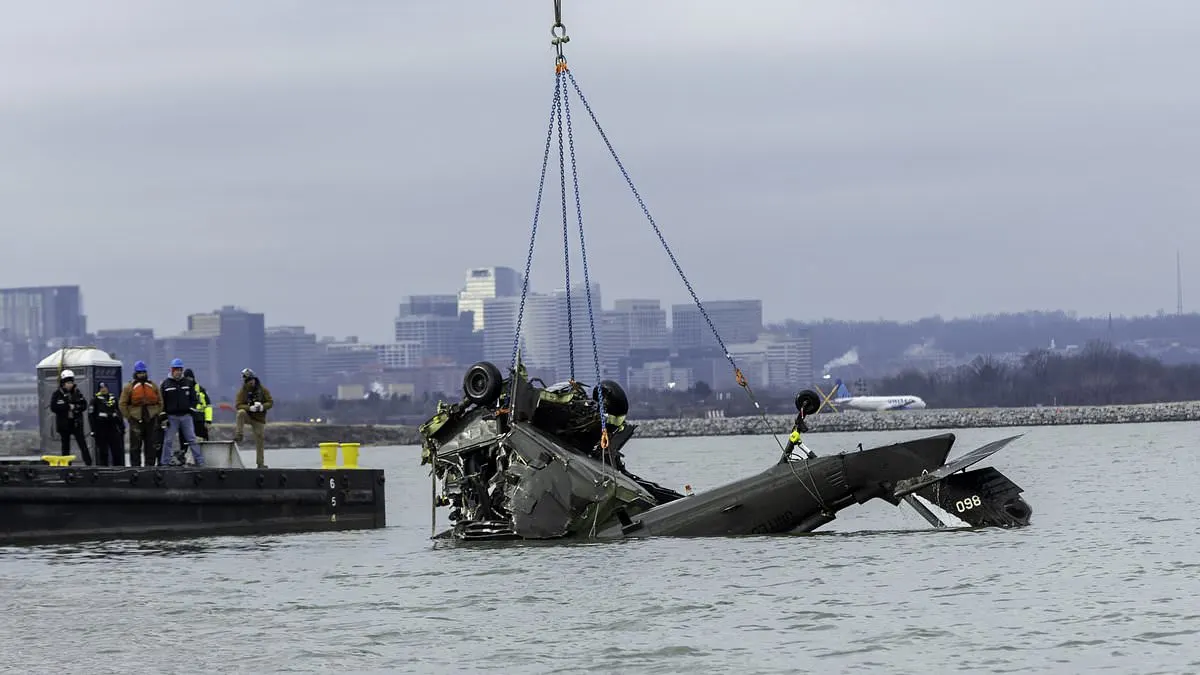
Army Report: Faulty Black Hawk Caused 67-Death DC Collision
Airline CEOs Address Flydubai Cockpit Attack Security