Qantas to Launch 22-Hour Sydney-London Flights in 2027

Co-Founder & CEOAviation News Editor delivering trusted coverage across the global aviation industry.
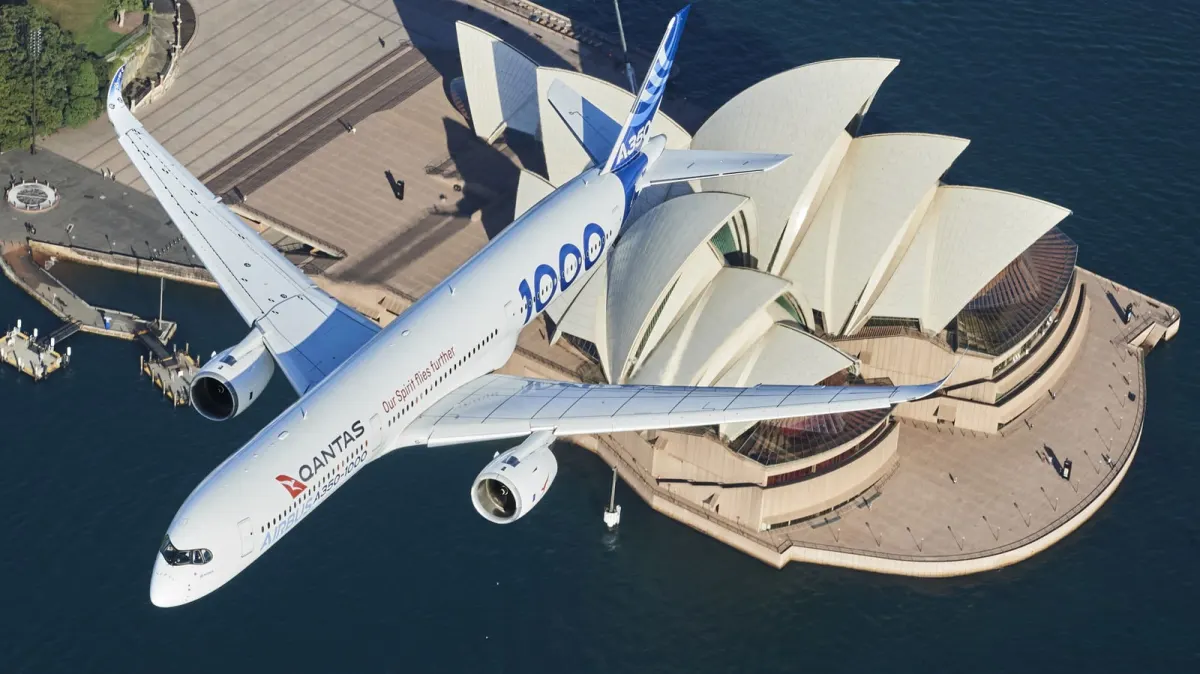
Qantas will launch 22-hour nonstop flights from Sydney to London in October 2027 using the new, ultra-long-range Airbus A350-1000ULR aircraft.
Key Takeaways
- •Qantas launches 22-hour Sydney-London flights in October 2027.
- •A350-1000ULR features a 20,000-liter Rear Centre Tank for extra range.
- •Qantas configured the aircraft with 238 seats for maximum passenger comfort.
- •Project Sunrise requires specialized training for 360 pilots and 1,200 crew.
The Dawn of Project Sunrise
Qantas Project Sunrise is set to redefine global aviation by introducing 22-hour nonstop flights between Sydney and London, marking the most significant expansion in the carrier’s 105-year history. According to Airbus press releases from June 2, 2026, the Airbus A350-1000ULR (Ultra Long Range) has been specifically engineered to bridge the 10,000-nautical-mile gap between Australia and Europe. This ultra-long-haul flight capability allows travelers to bypass traditional transit hubs, reducing total travel time by approximately four hours compared to conventional connecting routes.
Engineering the A350-1000ULR
The technical backbone of this operation is the highly modified A350-1000ULR. To achieve the necessary endurance, Airbus integrated a Rear Centre Tank (RCT) that provides an additional 20,000 liters of fuel capacity compared to the standard A350-1000. This modification, combined with an increased Maximum Takeoff Weight (MTOW), enables the aircraft to sustain flight times of up to 22 hours. Inside the cabin, Qantas has opted for a low-density 238-seat configuration, prioritizing passenger comfort for the record-breaking duration. This represents the lowest passenger density of any A350 currently in commercial service, a strategic move to ensure the commercial viability of the premium-heavy route.
Regulatory and Workforce Integration
Operating flights of this duration requires stringent oversight from the Civil Aviation Safety Authority (CASA). The airline is utilizing a Fatigue Risk Management System (FRMS) to safely extend pilot duty hours beyond standard prescriptive limits. This regulatory framework necessitates a specialized four-pilot crew structure for every mission. To support this, Qantas is currently training approximately 360 pilots and 1,200 cabin crew members. However, the Australian International Pilots Association (AIPA) has raised concerns regarding the collaborative nature of these fatigue management protocols, arguing that safety planning must remain the primary focus over delivery schedules.
A350-1000ULR vs. Standard Airbus A350-1000
| Metric | A350-1000ULR | Standard A350-1000 |
|---|---|---|
| Range | ~9,700 - 10,000 nm | 8,700 nm |
| Fuel System | Includes 20,000L Rear Centre Tank | No RCT |
| Seating Capacity | 238 seats | 350-410 seats |
Historical Context and Industry Impact
This initiative follows the successful 2018 launch of the Singapore Airlines A350-900ULR flights between Singapore and New York, which established the current industry benchmark for extreme long-haul travel. Qantas also draws confidence from its own 2018 launch of nonstop Boeing 787-9 flights from Perth to London, a route that proved high passenger demand for direct connectivity. These precedents validate the business case for Project Sunrise, though the shift toward point-to-point routing may present challenges for major transit hubs in Asia and the Middle East that currently rely on high-yield premium transit traffic.
The Path to October 2027
Qantas expects the first A350-1000ULR delivery in April 2027, followed by the opening of ticket sales in February 2027. The formal launch of commercial service between Sydney and London is scheduled for October 2027. The project also secures a long-term service agreement for the Rolls-Royce Trent XWB-97 engine program, covering the airline's fleet of 24 total A350 aircraft.
Why This Matters for Global Aviation
Project Sunrise represents a fundamental shift in how airlines view geographic isolation. By leveraging ultra-long-range technology, Qantas is effectively removing the barrier of distance for the Australian market. For the broader industry, this move signals a pivot toward specialized, premium-heavy aircraft that prioritize direct connectivity, potentially forcing a re-evaluation of the hub-and-spoke model that has dominated international travel for decades.
Frequently Asked Questions
- What is the range of the Airbus A350-1000ULR?
- The Airbus A350-1000ULR is designed to cover distances of up to 10,000 nautical miles, enabling nonstop flight durations of approximately 22 hours.
- How many passengers will the Qantas A350-1000ULR carry?
- Qantas has configured its A350-1000ULR aircraft with 238 seats, which is the lowest passenger density of any A350 variant currently in commercial service.
For global airline trends and commercial aviation news, turn to omniflights.com. Track policy changes, airspace rules, and global aviation governance in the Regulatory category at omniflights.com/regulatory.
Written by Hardik Vishwakarma
Co-Founder & Aviation News Editor leading initiatives that improve trust and visibility across the global aviation industry. Covers airlines, airports, safety, and emerging technology.
Visit ProfileYou Might Also Like
Discover more aviation news based on similar topics
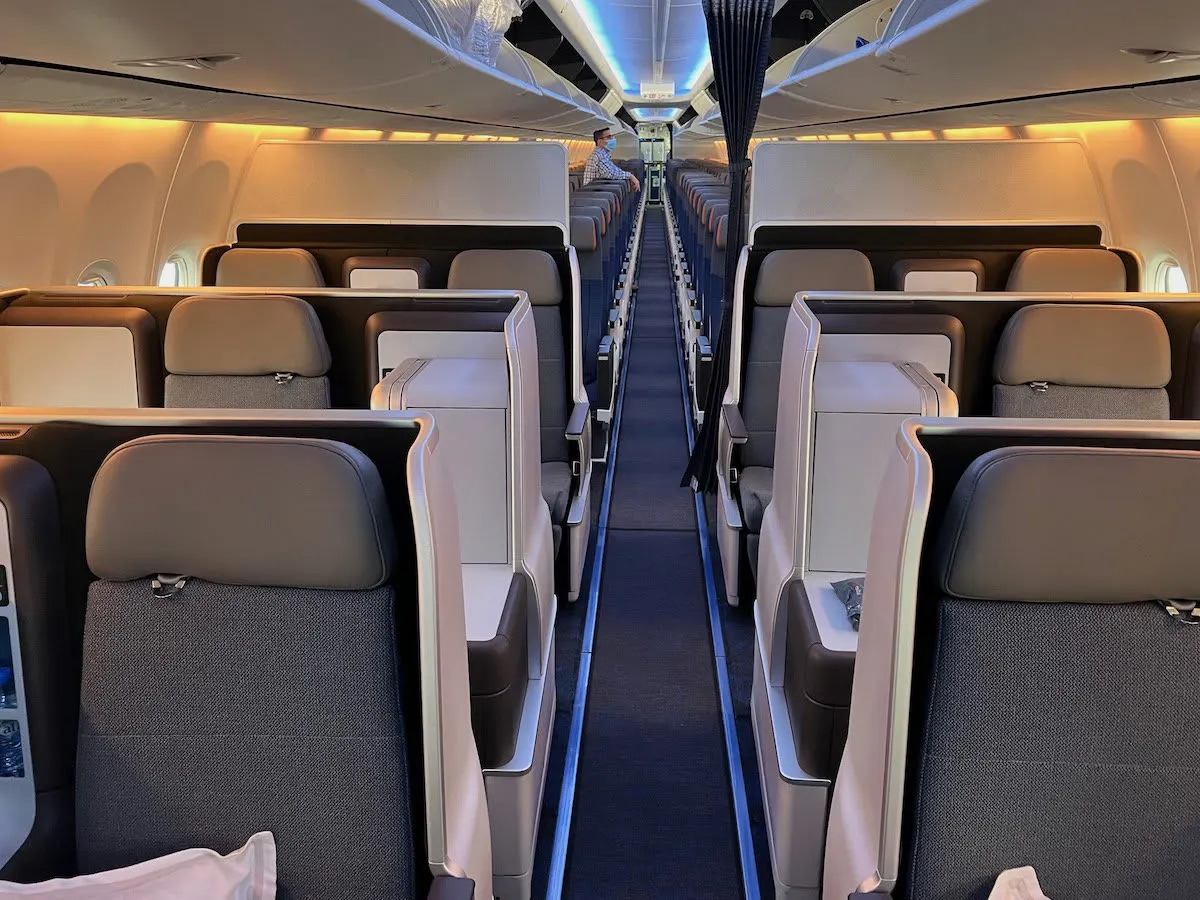
Flydubai Upgrading 21 Boeing 737 MAX 8s to Flat Bed Seats
Flydubai is retrofitting 21 Boeing 737 MAX 8 aircraft with lie-flat business class seats to standardize its premium product by late 2027.
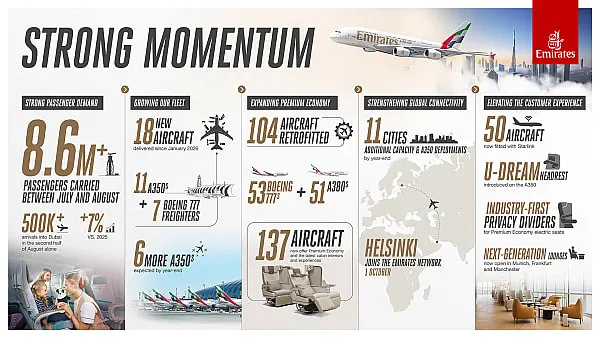
Emirates Winter Booking Momentum Grows Amid Fleet Expansion
Emirates carried 8.6 million passengers this summer and enters winter with strong demand as it accelerates fleet retrofits and network growth.

Air Arabia Consortium Gains AOC for New Dammam Budget Airline
A Saudi GACA-led consortium including Air Arabia has secured an AOC to launch a new budget airline based at Dammam's King Fahd International Airport.
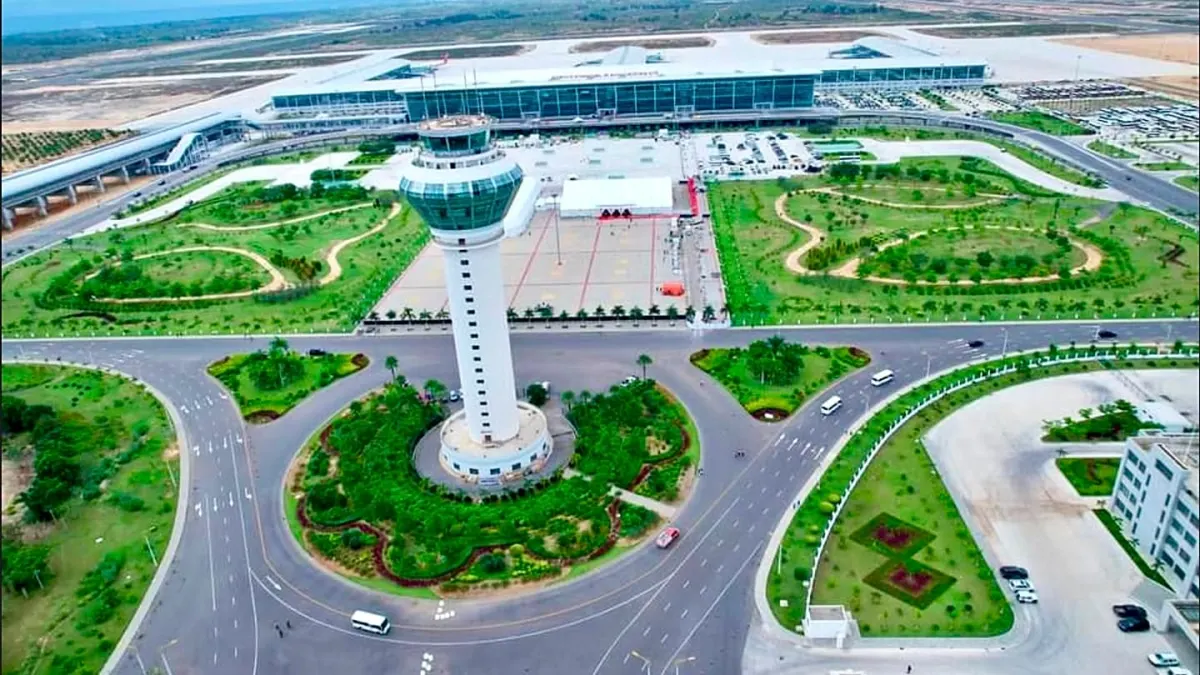
Turkish Airlines Exits Luanda as Angola Hub Struggles
Turkish Airlines dropped its Luanda route as Angola's new airport struggles to attract traffic, handling only 756,028 passengers in 2025.

Red Sea Airlines Leases Two 737 MAX 8s for 2027 Expansion
Red Sea Airlines signed a lease for two Boeing 737 MAX 8 aircraft from SMBC Aviation Capital, arriving in 2027 to support its 14-aircraft fleet goal.
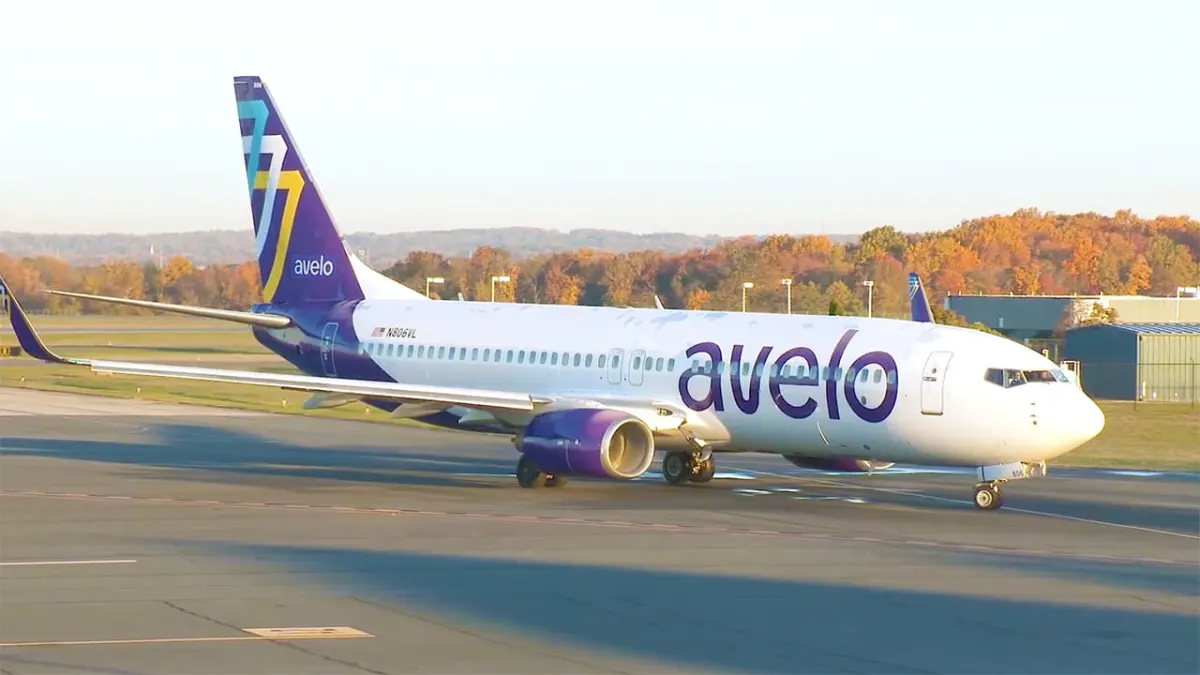
Avelo CEO Warns Airfares May Rise on Jet Fuel Price Spikes
Avelo Airlines CEO Andrew Levy warns that rising fuel costs may force fare increases as global jet fuel prices reach $171.01 per barrel.