EVA Air Launches 5 Weekly Taipei-Delhi Flights

Aviation News Editor & Industry AnalystAviation News Editor & Industry Analyst delivering clear coverage for a worldwide audience.

EVA Air will launch five weekly Taipei-Delhi flights on December 1, becoming the only Taiwanese carrier offering nonstop passenger service to India.
Key Takeaways
- •EVA Air launches five weekly nonstop Taipei-Delhi flights on December 1, 2026.
- •Carrier becomes the sole Taiwanese airline offering direct passenger flights to India.
- •New route utilizes Airbus A330-300 aircraft to target transpacific transit traffic.
- •Partnership with Air India enables domestic connections beyond Delhi.
EVA Air will expand its South Asian network by introducing nonstop EVA Air Taipei Delhi flights starting on December 1, 2026. This service represents the only Taiwan India nonstop flights operated by a Taiwan-based passenger carrier. By offering five flights per week using Airbus A330-300 (A330-300) aircraft, the airline aims to capture growing business travel and facilitate EVA Air North America transit traffic through its hub at Taipei Taoyuan International Airport.
The launch of this route addresses a critical gap in direct connectivity between Taiwan and India, driven largely by expanding corporate ties in the technology, semiconductor, and artificial intelligence sectors. Beyond direct point-to-point travel, the service is strategically timed to capture high-yield transit passengers traveling between India and North America. By channeling these travelers through its efficient Taipei hub, the carrier can offer competitive travel times compared to traditional Middle Eastern and Southeast Asian hub carriers.
Corporate Partnerships and Tech Corridor Growth
According to an official announcement distributed via CNW (Canada NewsWire), bookings for the new route are now open. The carrier, which was founded in 1989 as Taiwan's first privately owned international airline, operates a fleet of more than 80 Boeing and Airbus aircraft to approximately 60 international destinations.
"The launch of nonstop Taipei-Delhi service represents an important milestone in EVA Air’s network development," said Clay Sun, EVA Air President. "Growing connections across the manufacturing, semiconductor, artificial intelligence, and technology industries continue to drive closer economic ties between Taiwan and India. Our new Delhi route not only provides a more efficient travel option for business and leisure passengers but also strengthens connectivity between India and North America through our Taipei hub."
To support onward travel within India, the airline is leveraging its Star Alliance Air India partnership. Passengers arriving at Indira Gandhi International Airport in Delhi can connect to major domestic destinations, which is expected to benefit business travelers, researchers, and students. This partnership provides Air India with additional domestic feed traffic from international arrivals, though the immediate impact on the Indian flag carrier's overall revenue is projected to be low.
Conversely, the introduction of this route increases competitive pressure on established transit carriers. According to aviation industry analysts, competing in the North America-South Asia transit market will be challenging against established hubs like Hong Kong and Singapore. This environment will require highly competitive pricing and precise schedule coordination. Specifically, Cathay Pacific and Singapore Airlines face moderate risks to their market share as the Taiwanese carrier leverages its 10 North American gateways to capture transpacific passenger flows. Furthermore, the Taiwanese Technology Sector stands to benefit from reduced travel times and minimized logistical friction between Taiwan and Indian manufacturing hubs.
Historical Precedents and Regional Direct Flights
The entry of the carrier into the Indian market fills a vacancy left by its primary domestic competitor. Prior to 2026, China Airlines suspended its nonstop passenger service to Delhi. While China Airlines continues to operate cargo flights to the Indian capital, it no longer offers direct passenger flights. This leaves the new five-times-weekly service as the sole direct passenger link between the two nations.
The choice of aircraft for this route reflects a capacity strategy optimized for medium-haul, high-density markets. The twin-engine widebody selected for the route offers a different operating profile compared to longer-range aircraft types.
Airbus A330-300 vs Boeing 787-9: Key Specifications
The following table outlines the technical differences between the aircraft deployed on this route and alternative long-haul widebodies:
| Metric | Airbus A330-300 | Boeing 787-9 |
|---|---|---|
| Role | High-density regional/medium-haul | Long-haul/thinner routes |
| Range | 6,350 nmi | 7,530 nmi |
The Economics of the Transpacific Transit Corridor
This development indicates a structural shift in how East Asian carriers are routing transpacific traffic. Historically, Southeast Asian hubs and Hong Kong dominated the transit market between North America and the Indian subcontinent. By establishing a direct link to Delhi, the carrier is capitalizing on the Conditional Visa-Waiver Transit Program authorized by the Taiwan Ministry of Foreign Affairs. This regulatory framework allows eligible Indian nationals traveling to North America to make short stopovers in Taiwan without a standard visa, significantly lowering the barrier for transit bookings. The strategy aligns with broader industry trends where secondary hubs bypass traditional mega-hubs by offering optimized connection windows and simplified transit procedures, thereby capturing a larger share of high-yield corporate and student traffic.
Operational Milestones and Flight BR367 Launch
The carrier has established a clear timeline for the integration of the new route into its global network:
- December 1, 2026: The inaugural nonstop passenger flight, designated as BR367, is confirmed to depart from Taipei to Delhi, marking the official commencement of the five-times-weekly service.
- Q1 2027: The carrier expects to evaluate initial load factors and transit passenger ratios to optimize connection windows for its North American flight banks.
Why the Taipei Transit Strategy Matters
This route expansion establishes a critical competitive alternative for transpacific travelers, directly challenging the dominance of traditional Southeast Asian transit hubs. For the global technology sector, the direct flight mitigates travel friction between key semiconductor and manufacturing centers in Taiwan and India. Ultimately, the success of the route will signal whether secondary hubs can successfully leverage bilateral trade growth to redirect established global passenger flows.
Frequently Asked Questions
- When will EVA Air begin nonstop flights between Taipei and Delhi?
- EVA Air will launch its nonstop service between Taipei and Delhi on December 1, 2026, operating five flights per week.
- What aircraft will EVA Air operate on the Taipei-Delhi route?
- EVA Air will operate the route using Airbus A330-300 wide-body aircraft, which are optimized for high-density medium-haul flights.
- How does EVA Air's new Delhi route benefit North American travelers?
- The route connects seamlessly with EVA Air's ten North American gateways via its Taipei hub, allowing eligible Indian transit passengers to utilize Taiwan's conditional visa-waiver program.
For global airline trends and commercial aviation news, turn to omniflights.com. Stay informed on aviation incidents, investigations, and best practices in the Safety category at omniflights.com/safety.
Written by Ujjwal Sukhwani
Aviation News Editor & Industry Analyst delivering clear coverage for a worldwide audience. Covers flight operations, safety regulations, and market trends with expert analysis.
Visit ProfileYou Might Also Like
Discover more aviation news based on similar topics
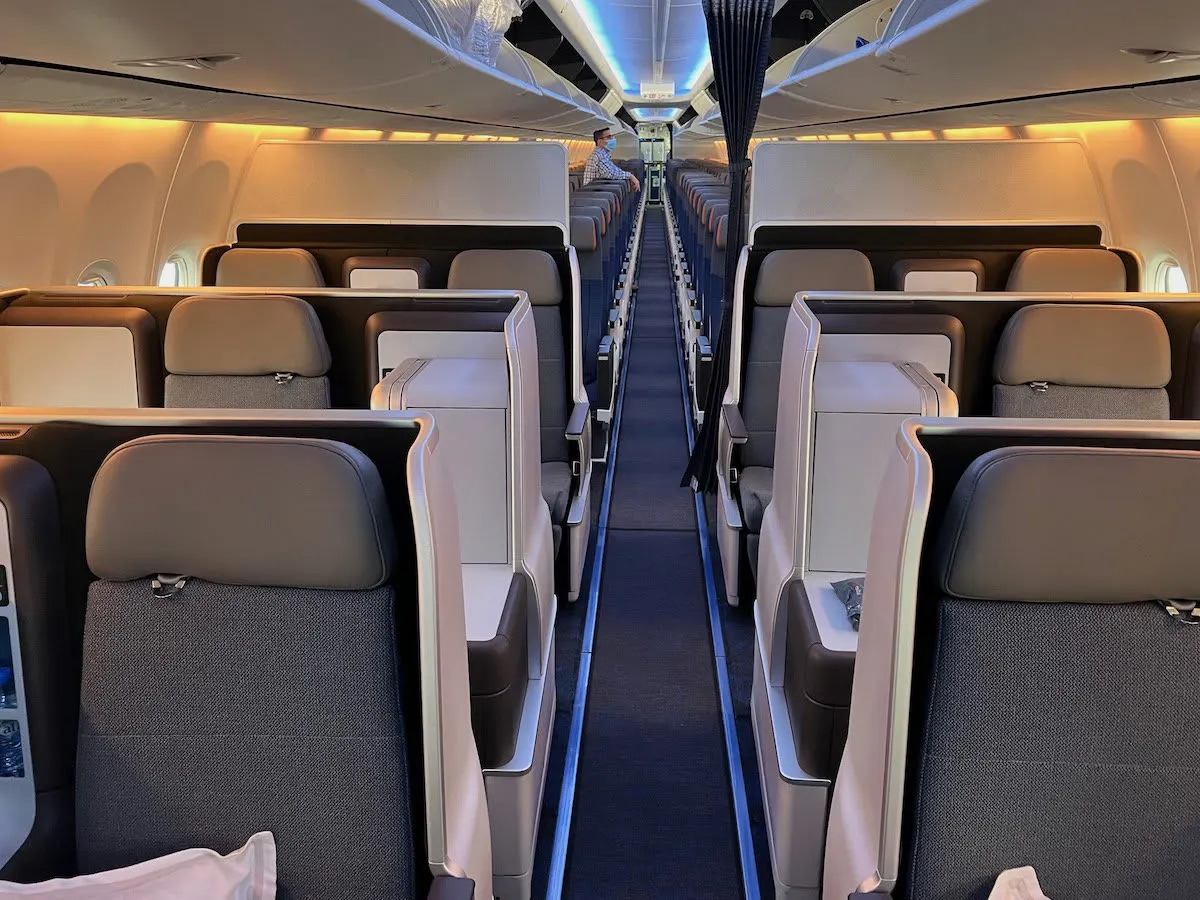
Flydubai Upgrading 21 Boeing 737 MAX 8s to Flat Bed Seats
Flydubai is retrofitting 21 Boeing 737 MAX 8 aircraft with lie-flat business class seats to standardize its premium product by late 2027.
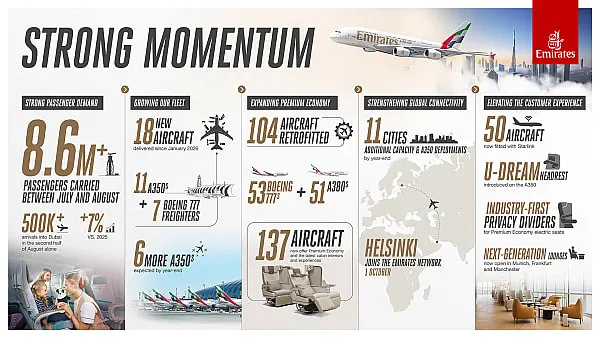
Emirates Winter Booking Momentum Grows Amid Fleet Expansion
Emirates carried 8.6 million passengers this summer and enters winter with strong demand as it accelerates fleet retrofits and network growth.

Air Arabia Consortium Gains AOC for New Dammam Budget Airline
A Saudi GACA-led consortium including Air Arabia has secured an AOC to launch a new budget airline based at Dammam's King Fahd International Airport.
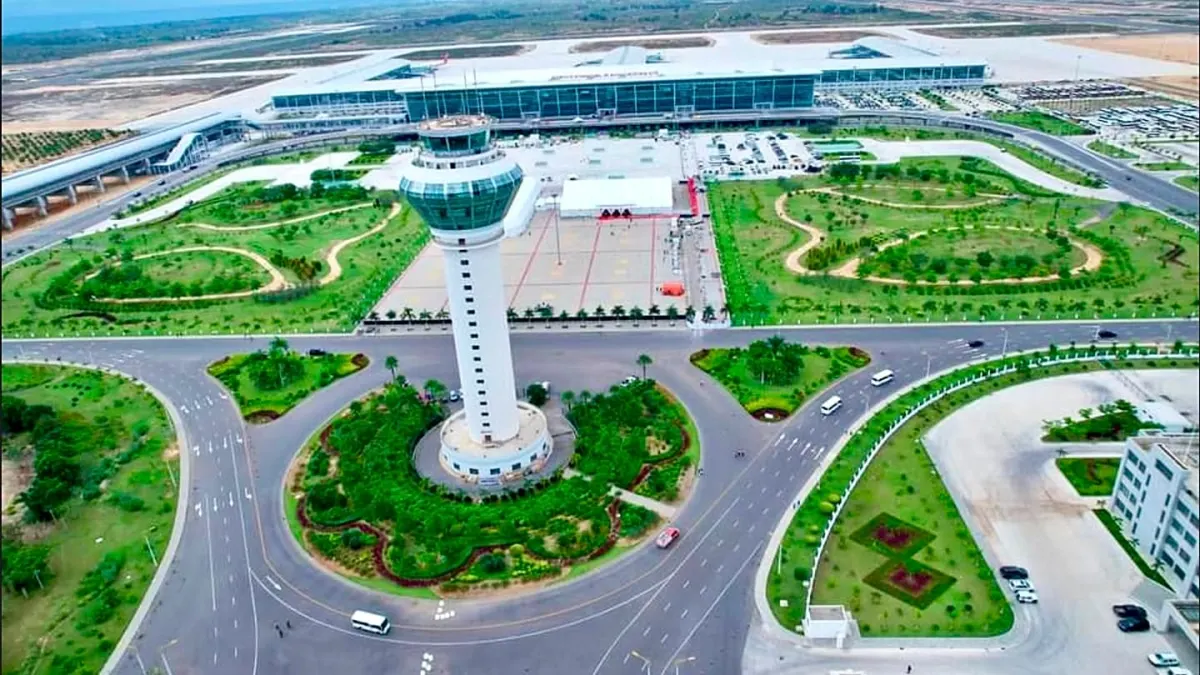
Turkish Airlines Exits Luanda as Angola Hub Struggles
Turkish Airlines dropped its Luanda route as Angola's new airport struggles to attract traffic, handling only 756,028 passengers in 2025.

Red Sea Airlines Leases Two 737 MAX 8s for 2027 Expansion
Red Sea Airlines signed a lease for two Boeing 737 MAX 8 aircraft from SMBC Aviation Capital, arriving in 2027 to support its 14-aircraft fleet goal.
Avelo CEO Warns Airfares May Rise on Jet Fuel Price Spikes
Avelo Airlines CEO Andrew Levy warns that rising fuel costs may force fare increases as global jet fuel prices reach $171.01 per barrel.