Norse Atlantic Explores Sale Amid Fleet Restructuring

Aviation News Editor & Industry AnalystAviation News Editor & Industry Analyst delivering clear coverage for a worldwide audience.
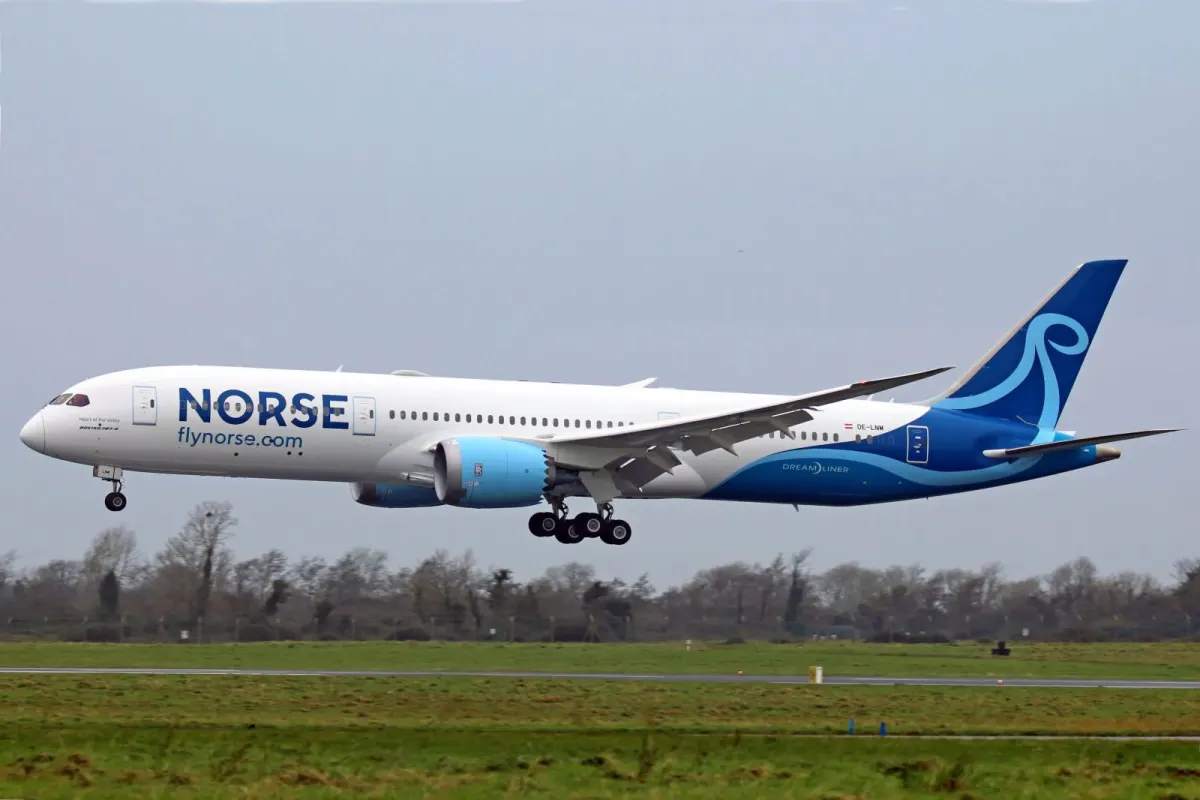
Norse Atlantic Airways is exploring a sale or merger after terminating its wet-lease deal with IndiGo, returning six Boeing 787s to its fleet.
Key Takeaways
- •Norse Atlantic launches formal sale or merger process to maximize value.
- •Early termination of IndiGo ACMI lease returns six Boeing 787s.
- •Middle East airspace disruptions and high fuel costs drove the split.
- •Remaining five Boeing 787s will be redelivered by November 1, 2026.
Norwegian carrier Norse Atlantic Airways is formally exploring a Norse Atlantic Airways sale, a Norse Atlantic merger, or a strategic partnership to counter high fuel prices and operational shocks. The decision by the board of directors represents a major shift for low-cost long-haul airlines trying to survive in a volatile market. The strategic review follows the early termination of its IndiGo ACMI lease agreement, which was originally scheduled to run longer but was mutually ended due to geopolitical airspace disruptions.
According to Norse Atlantic ASA's operational and strategic update, the airline's board has initiated a formal financial process on the Euronext Expand Oslo exchange to explore structural opportunities. This move aims to maximize shareholder value following a period of heavy financial pressure and airspace challenges.
The Collapse of the IndiGo Partnership
The core driver behind this strategic pivot is the premature termination of the airline's ACMI (Aircraft, Crew, Maintenance, and Insurance) partnership with Indian carrier IndiGo. The wet-leasing agreement, which lasted approximately 18 months, was mutually discontinued due to persistent Middle East airspace disruptions and elevated fuel costs.
Under the original agreement, Norse Atlantic provided dedicated widebody capacity to IndiGo. With the early termination, Norse Atlantic is regaining capacity from six Boeing 787 Dreamliners that were previously deployed on India-Europe routes. While the return of these aircraft increases Norse Atlantic's operational flexibility, it also presents the immediate challenge of redeploying a significant portion of its Boeing 787 Dreamliner fleet during an uncertain winter season.
Historical Precedents in Scandinavia
The challenges facing Norse Atlantic reflect a broader pattern of instability within the low-cost long-haul business model. Independent operators remain highly vulnerable to fuel price volatility and sudden geopolitical shifts that force aircraft to fly longer, less efficient routes.
This situation closely mirrors historical precedents in the Scandinavian market. In 2020-2021, Norwegian Air Shuttle underwent a massive restructuring where it completely exited its long-haul operations to survive bankruptcy. That carrier returned its entire Boeing 787 fleet and pivoted to focus exclusively on short-haul European routes. Similarly, Icelandic budget carrier WOW air collapsed in March 2019 after failing to secure a buyer or merger partner during a severe liquidity crisis. These historical cases highlight the existential risks that standalone budget long-haul carriers face when operating without the backing of a larger airline alliance or group.
The Impact on Key Stakeholders
The strategic review and fleet return directly affect several key stakeholder groups:
- IndiGo: The Indian carrier loses dedicated widebody capacity from the six Boeing 787s ahead of schedule. This forces the airline to find alternative lift or adjust its long-haul capacity until its own Airbus A350 deliveries begin.
- Norse Atlantic Shareholders: Investors face significant equity uncertainty as the board pursues a formal sale or merger process following periods of heavy financial restructuring and share dilution.
- Transatlantic Budget Travelers: Passengers booking flights for the upcoming winter season may face schedule changes or route uncertainty as Norse Atlantic re-integrates the returning aircraft. Travel analysts from Deep Arrival have warned consumers to treat schedule risks as real and consider purchasing refundable tickets during this transition.
The Economics of Fleet Redeployment
Norse Atlantic Chief Executive Officer Eivind Roald framed the return of the aircraft as an opportunity to optimize the airline's network. Roald stated that the return of the six aircraft opens up strategic opportunities that were not previously available, noting strong demand for modern, fuel-efficient long-haul aircraft. He indicated that the company sees attractive opportunities to deploy additional capacity within its own network to improve profitability.
However, redeploying six widebody aircraft requires substantial capital and market demand. If Norse Atlantic cannot secure profitable routes or find alternative wet-lease ACMI clients, the idle aircraft could generate significant lease and maintenance costs, further straining the company's balance sheet.
Upcoming Fleet Redelivery Milestones
The transition of the fleet will occur over the coming months. The end of the ACMI cooperation and the redelivery of the remaining five Boeing 787 aircraft from IndiGo to Norse Atlantic is confirmed for November 1, 2026.
The board's formal sale and merger process will run parallel to these fleet adjustments. The airline has not disclosed a specific deadline for completing the strategic review, and any potential transaction remains subject to regulatory approvals and shareholder consent.
The Outlook for Long-Haul Budget Travel
This development signals that the standalone low-cost long-haul model remains difficult to sustain during periods of high fuel prices and geopolitical tension. For the wider industry, Norse Atlantic's search for a buyer or partner underscores the ongoing trend of airline consolidation, suggesting that future budget long-haul operations may only be viable when integrated into larger, diversified airline groups.
Frequently Asked Questions
- Why is Norse Atlantic Airways looking for a buyer or partner?
- Norse Atlantic's board initiated a formal process for a sale, merger, or strategic partnership to counter high fuel prices, Middle East airspace disruptions, and the financial impact of terminating its wet-lease agreement with IndiGo.
- What happened to Norse Atlantic's agreement with IndiGo?
- The eighteen-month ACMI wet-lease agreement between Norse Atlantic and IndiGo was mutually terminated early due to geopolitical airspace disruptions and elevated fuel costs, returning six Boeing 787 Dreamliners to Norse Atlantic's fleet.
- When will the remaining Norse Atlantic Boeing 787s return from IndiGo?
- The end of the ACMI cooperation and the redelivery of the remaining five Boeing 787 aircraft from IndiGo to Norse Atlantic is confirmed for November 1, 2026.
Stay ahead of the airline industry with commercial aviation news from omniflights.com. For reporting on UAP sightings, investigations, and aviation-related encounters, see the UAPs section at omniflights.com/uaps.
Written by Ujjwal Sukhwani
Aviation News Editor & Industry Analyst delivering clear coverage for a worldwide audience. Covers flight operations, safety regulations, and market trends with expert analysis.
Visit ProfileYou Might Also Like
Discover more aviation news based on similar topics
Flydubai Upgrading 21 Boeing 737 MAX 8s to Flat Bed Seats
Flydubai is retrofitting 21 Boeing 737 MAX 8 aircraft with lie-flat business class seats to standardize its premium product by late 2027.
Emirates Winter Booking Momentum Grows Amid Fleet Expansion
Emirates carried 8.6 million passengers this summer and enters winter with strong demand as it accelerates fleet retrofits and network growth.
Air Arabia Consortium Gains AOC for New Dammam Budget Airline
A Saudi GACA-led consortium including Air Arabia has secured an AOC to launch a new budget airline based at Dammam's King Fahd International Airport.
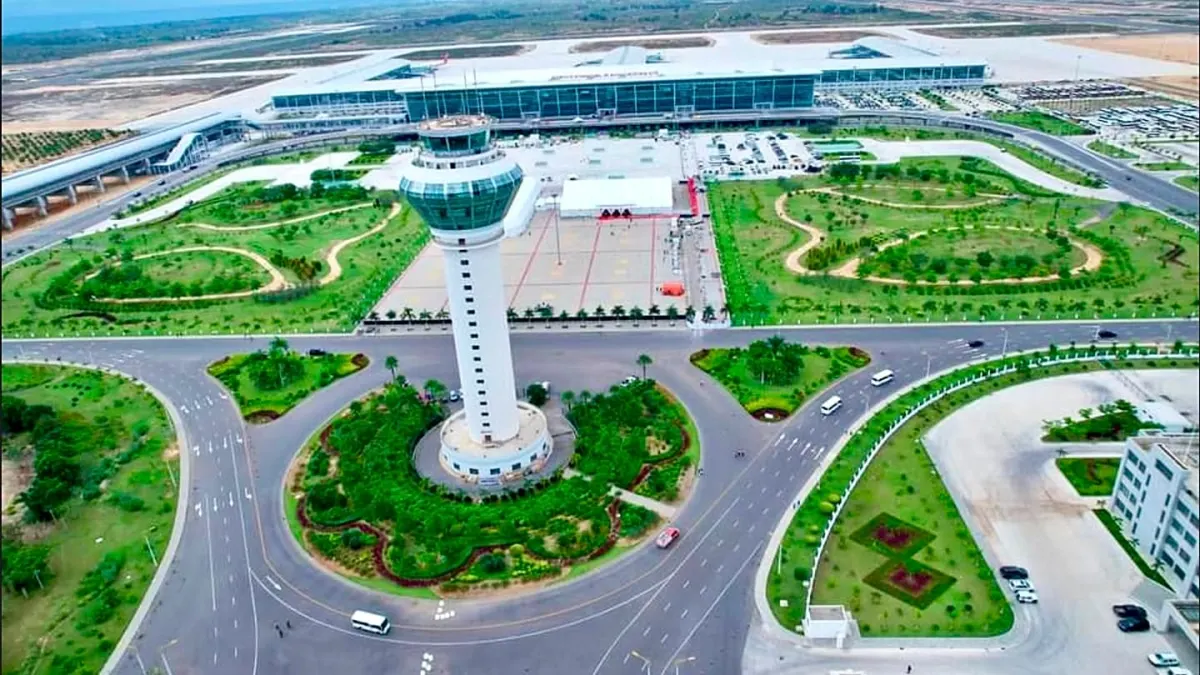
Turkish Airlines Exits Luanda as Angola Hub Struggles
Turkish Airlines dropped its Luanda route as Angola's new airport struggles to attract traffic, handling only 756,028 passengers in 2025.
Red Sea Airlines Leases Two 737 MAX 8s for 2027 Expansion
Red Sea Airlines signed a lease for two Boeing 737 MAX 8 aircraft from SMBC Aviation Capital, arriving in 2027 to support its 14-aircraft fleet goal.
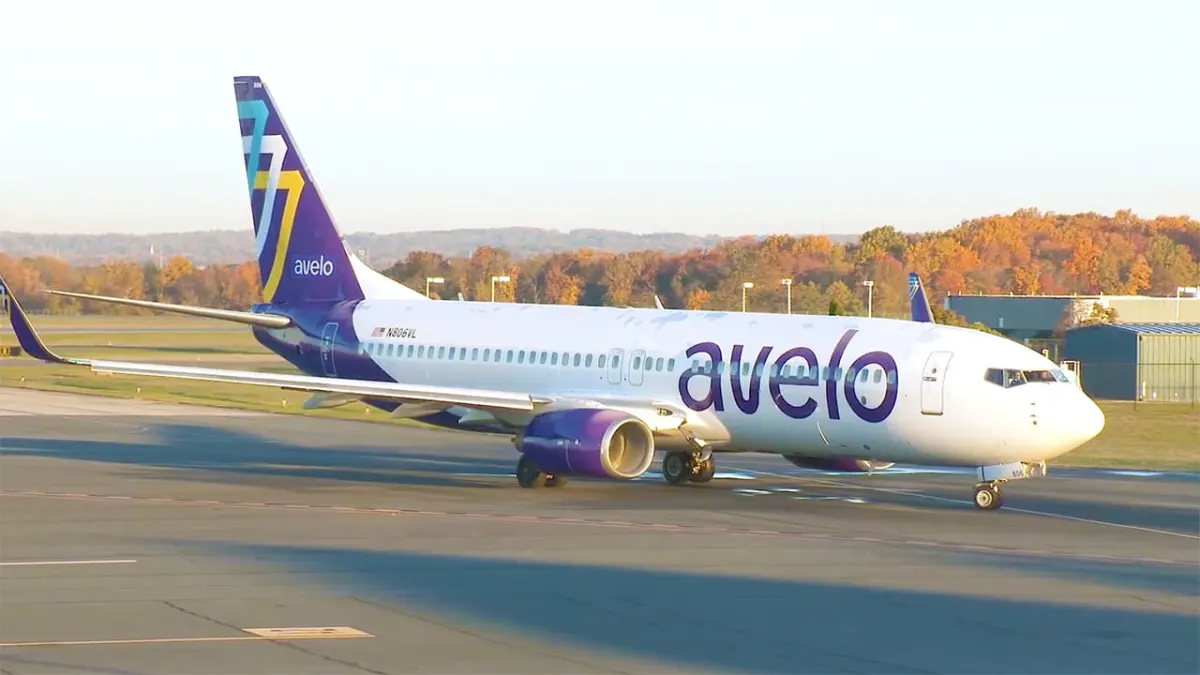
Avelo CEO Warns Airfares May Rise on Jet Fuel Price Spikes
Avelo Airlines CEO Andrew Levy warns that rising fuel costs may force fare increases as global jet fuel prices reach $171.01 per barrel.