Qantas Cuts Domestic Flights, Redirects Aircraft to Europe Amid Unrest

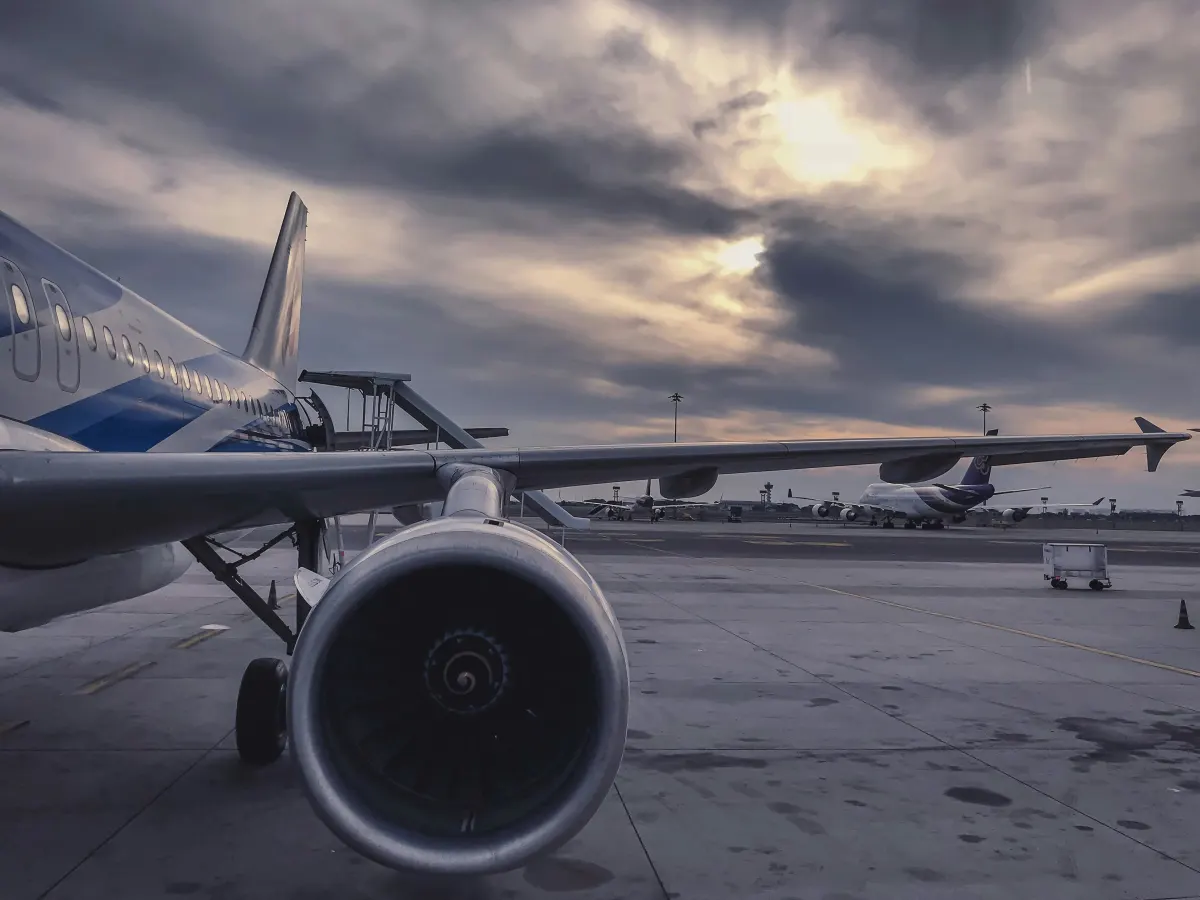
Qantas is cutting domestic capacity by 5% and raising fares to redeploy jets for surging Europe demand, bypassing unstable Middle Eastern transit hubs.
Key Takeaways
- •Cuts domestic capacity by 5% in the final quarter of FY26 to redeploy aircraft.
- •Redirects Boeing 787s to add up to 1,400 extra seats per week to European routes.
- •Faces a surging fuel bill estimated at A$3.1-A$3.3 billion for H2 FY26.
- •Reroutes Sydney-Paris flight via Singapore, increasing passenger capacity by 60 per flight.
Qantas is implementing a 5% reduction in its domestic flight capacity for the final quarter of fiscal year 2026 as it redirects aircraft to meet surging demand for direct travel between Australia and Europe. The strategic shift, driven by geopolitical instability in the Middle East and a sharp rise in fuel costs, will see higher fares for Australian domestic travelers while adding up to 1,400 extra seats per week on European routes.
The carrier announced the network adjustments in a market update to the Australian Securities Exchange (ASX), detailing a significant financial impact from market volatility. According to the Qantas investor update, the airline's estimated fuel bill for the second half of FY26 has soared to between A$3.1 billion and A$3.3 billion, a substantial increase from the previous forecast of A$2.5 billion. This is primarily attributed to a dramatic spike in jet fuel refining margins, which jumped from approximately US$20 per barrel in February to nearly US$120 per barrel.
Network and Fleet Realignment
To counter these financial headwinds and capitalize on shifting travel patterns, Qantas is redeploying its long-haul aircraft, including Boeing 787s and Airbus A330s, from domestic routes to more profitable international services. Travelers are increasingly avoiding traditional transit hubs in the Gulf region due to the ongoing conflict, leading to a spike in demand for direct flights or transits through Asian hubs like Singapore.
Key network changes detailed in the Qantas News Room announcements include:
- Sydney-Paris: The flight will now be routed via Singapore instead of Perth. This change allows Qantas to utilize a larger aircraft for the initial leg and enables an additional 60 passengers per flight.
- Perth-Rome: The seasonal service will see an increase in frequency during the peak European summer period, beginning June 27, 2026.
- Perth-Singapore: To support the new transit structure, flights between Perth and Singapore will increase from a daily service to ten times per week.
These adjustments are a direct response to a broader industry trend. Data from Flight Centre revealed a 38% rise in bookings between Australia and Europe via Singapore in early March 2026, confirming the passenger shift away from the Middle East. Aviation analysts note that as much as 30% of capacity between Australia and Europe has been removed from the market as various airlines cut routes that transit the Gulf.
Industry Context and Stakeholder Impact
The current situation mirrors previous geopolitical shocks that have disrupted global aviation. The 2022 closure of Ukrainian and Russian airspace forced airlines on Asia-Europe routes to adopt longer, more costly flight paths. Similarly, the 2017 Gulf Crisis airspace blockade against Qatar Airways demonstrated the operational and financial vulnerabilities associated with regional instability. Qantas's current strategy follows this historical pattern of rerouting assets to mitigate risk and capture demand in constrained markets.
Justin Wastnage from the Griffith Institute for Tourism noted that moving aircraft to where demand is strongest allows Qantas to capture premium yields. However, he warned that with a significant portion of Australia-Europe capacity removed, fares will likely remain elevated for the foreseeable future. While Qantas hedged 90% of its crude oil exposure, its vulnerability to the spike in jet fuel refining margins—the 'crack spread'—remains a significant financial pressure point.
The impacts of this strategic shift are felt across several groups:
- Australian Domestic Passengers: Face higher fares and a 5% reduction in available seats during May and June 2026.
- Gulf Transit Hubs: Experience a loss of transit passenger volume as airlines and travelers reroute flights.
- Qantas Shareholders: Are affected by a delayed A$150 million share buyback and reduced earnings expectations due to the A$600-800 million increase in fuel costs.
What Comes Next
Qantas has confirmed a clear timeline for implementing these network changes. The new Sydney-Singapore-Paris route was scheduled to launch in mid-April 2026. The 5% domestic capacity cuts will be implemented across May and June 2026. Finally, the increased frequency for the Perth-Rome service is set to begin on June 27, 2026, to align with the Northern Hemisphere's peak summer travel season.
Why This Matters
This realignment by Qantas highlights the aviation industry's acute sensitivity to both geopolitical events and volatile energy markets. The decision to prioritize high-yield international routes over domestic volume demonstrates a classic airline response to market shocks, reshaping flight availability and pricing for travelers globally. For the Australian market, it underscores how distant conflicts can directly influence the cost and accessibility of local air travel.
Frequently Asked Questions
- Why is Qantas cutting domestic flights in Australia?
- Qantas is cutting domestic capacity by 5% in May and June 2026 to redeploy aircraft, such as the Boeing 787, to meet a surge in demand for direct flights between Australia and Europe. This shift allows the airline to capture higher-yield international fares as travelers avoid Middle Eastern transit hubs.
- How much have Qantas's fuel costs increased in 2026?
- According to its latest market update, Qantas's estimated fuel bill for the second half of fiscal year 2026 has increased to between A$3.1 billion and A$3.3 billion. This significant jump from a A$2.5 billion forecast is primarily driven by a massive surge in jet fuel refining margins.
- What international routes is Qantas adding or changing?
- Qantas is rerouting its Sydney to Paris service via Singapore instead of Perth, which adds capacity for 60 more passengers per flight. The airline is also increasing the frequency of its seasonal Perth to Rome service, collectively adding up to 1,400 extra seats to Europe per week.
Stay ahead of the airline industry with commercial aviation news from omniflights.com. Follow aviation sustainability efforts, emissions research, and green initiatives in the Environmental section at omniflights.com/environmental.

Written by Hardik Vishwakarma
Co-Founder & Aviation News Editor leading initiatives that improve trust and visibility across the global aviation industry. Covers airlines, airports, safety, and emerging technology.
Visit ProfileYou Might Also Like

Delta Air Lines Earnings: Fuel Costs Surge, Fares Rise
FTAI Aviation Acquires 27 WestJet Boeing 737-700 Aircraft
Delta TechOps Targets Doubling MRO Revenue
Delta Cuts 2026 Profit Forecast Amid $6B Fuel Cost Surge
Avolon Orders 250 Airbus and Boeing Jets for Fleet Growth