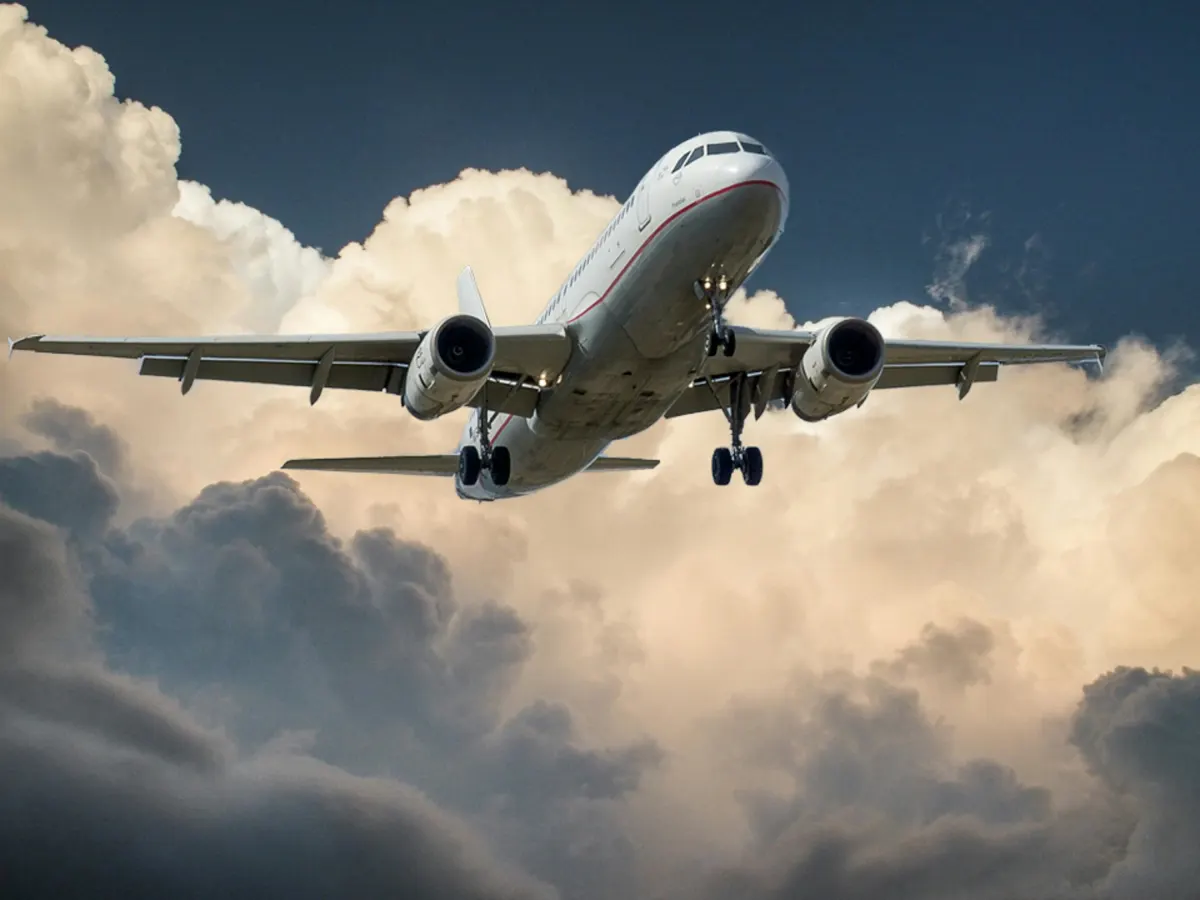
British Airways History: From Comet Jets to 777-9 Fleet


British Airways maintains a legacy of aviation firsts, from the 1952 Comet jet launch to modern fleet modernization efforts under parent company IAG.
Key Takeaways
- •British Airways formed in 1974 via the merger of BOAC and BEA.
- •BOAC launched the world's first jet passenger service in 1952.
- •First scheduled supersonic commercial flights began in 1976.
- •Boeing 777-9 deliveries to British Airways expected in 2027.
The Evolution of a Flag Carrier
British Airways history is defined by a series of pioneering milestones that shaped global commercial aviation. The airline traces its origins to the 1974 merger of the British Overseas Airways Corporation (BOAC) and British European Airways (BEA), alongside Cambrian Airways and Northeast Airlines. This consolidation, formalized under the UK Civil Aviation Act of 1971, created a unified national carrier that inherited a legacy of technical innovation. Today, the airline operates as a core brand under the International Airlines Group (IAG), managing a diverse mainline fleet of approximately 295 aircraft as of early 2026, including 12 Airbus A380s.
Pioneering the Jet and Supersonic Eras
British Airways and its predecessors were instrumental in the development of high-speed travel. In May 1952, BOAC inaugurated the world's first pure jet passenger service using the de Havilland Comet 1. This breakthrough fundamentally changed the pace of international travel. Decades later, the airline achieved another milestone in 1976, when it commenced the first supersonic passenger flight services alongside Air France using the Concorde. These historical achievements are documented extensively in the British Airways Heritage Archives.
Modern Fleet Strategy and Transitions
While the airline’s history is storied, its current focus remains on BA fleet modernization. The carrier is actively transitioning from older, four-engine widebodies to more efficient, twin-engine aircraft. This strategy involves integrating the Boeing 787-10 and Airbus A350-1000 into its network. Furthermore, the airline is a key customer for the Boeing 777-9, with deliveries expected to begin in 2027. This transition is critical for IAG shareholders, as the group balances the premium brand equity of the flag carrier with the capital-intensive requirement to replace aging assets like the Boeing 777-200ER. Financial and operational data for these efforts are regularly updated via the IAG official website.
Technical Comparison: Concorde vs. Current Fleet
| Metric | Aerospatiale/BAC Concorde | Boeing 787-10 |
|---|---|---|
| Cruising Speed | Mach 2.02 (1,354 mph) | Mach 0.85 (650 mph) |
| Passenger Capacity | 100 (All-Supersonic) | 256 (4-class) |
| Range | 3,900 nm | 6,345 nm |
Regulatory Oversight and Environmental Challenges
The airline operates under the strict regulatory framework of the UK Civil Aviation Authority (CAA), which ensures safety compliance and operational standards. While the airline celebrates its past, it faces modern scrutiny regarding its environmental footprint. According to the Aviation Environment Federation, the industry faces pressure to accelerate net-zero timelines, contrasting the high-speed, high-emission legacy of the Concorde era with the current sustainability mandates required by modern regulators.
Looking Toward 2027
Looking ahead, British Airways is focused on several key operational milestones. The airline expects to complete its Airbus A380 cabin retrofit program by late 2026. Following this, the first delivery of the Boeing 777-9 is anticipated in mid-to-late 2027, subject to final type certification by the FAA and other global regulators. These investments serve as the next chapter in the airline's long-term strategy to maintain its competitive position at London Heathrow.
Why Fleet Renewal Matters to IAG
The shift toward modern, twin-engine widebodies is not merely a technical upgrade but a financial necessity for the airline. By replacing aging, less fuel-efficient aircraft, the carrier aims to lower its unit costs and improve its environmental performance, directly impacting the long-term value for IAG stakeholders. For the broader UK aviation sector, the continued operation of a modernized, efficient British Airways fleet remains a primary driver for inbound international tourism and global connectivity.
Frequently Asked Questions
- What was the first commercial jet service operated by British Airways' predecessor?
- The British Overseas Airways Corporation (BOAC) inaugurated the world's first pure jet passenger service in May 1952 using the de Havilland Comet 1.
- When did British Airways begin operating the Boeing 777-9?
- British Airways has not yet received its first Boeing 777-9; the airline expects to take delivery of the aircraft in mid-to-late 2027.
Access up-to-date commercial aviation news and airline industry developments via omniflights.com. Get the latest updates on major hubs, regional terminals, and airport operations via the Airports section at omniflights.com/airports.

Written by Hardik Vishwakarma
Co-Founder & Aviation News Editor leading initiatives that improve trust and visibility across the global aviation industry. Covers airlines, airports, safety, and emerging technology.
Visit ProfileYou Might Also Like

Delta Air Lines Earnings: Fuel Costs Surge, Fares Rise
FTAI Aviation Acquires 27 WestJet Boeing 737-700 Aircraft
Delta TechOps Targets Doubling MRO Revenue
Delta Cuts 2026 Profit Forecast Amid $6B Fuel Cost Surge
Avolon Orders 250 Airbus and Boeing Jets for Fleet Growth