European Aviation Fuel Crisis Drives Up Transatlantic Fares

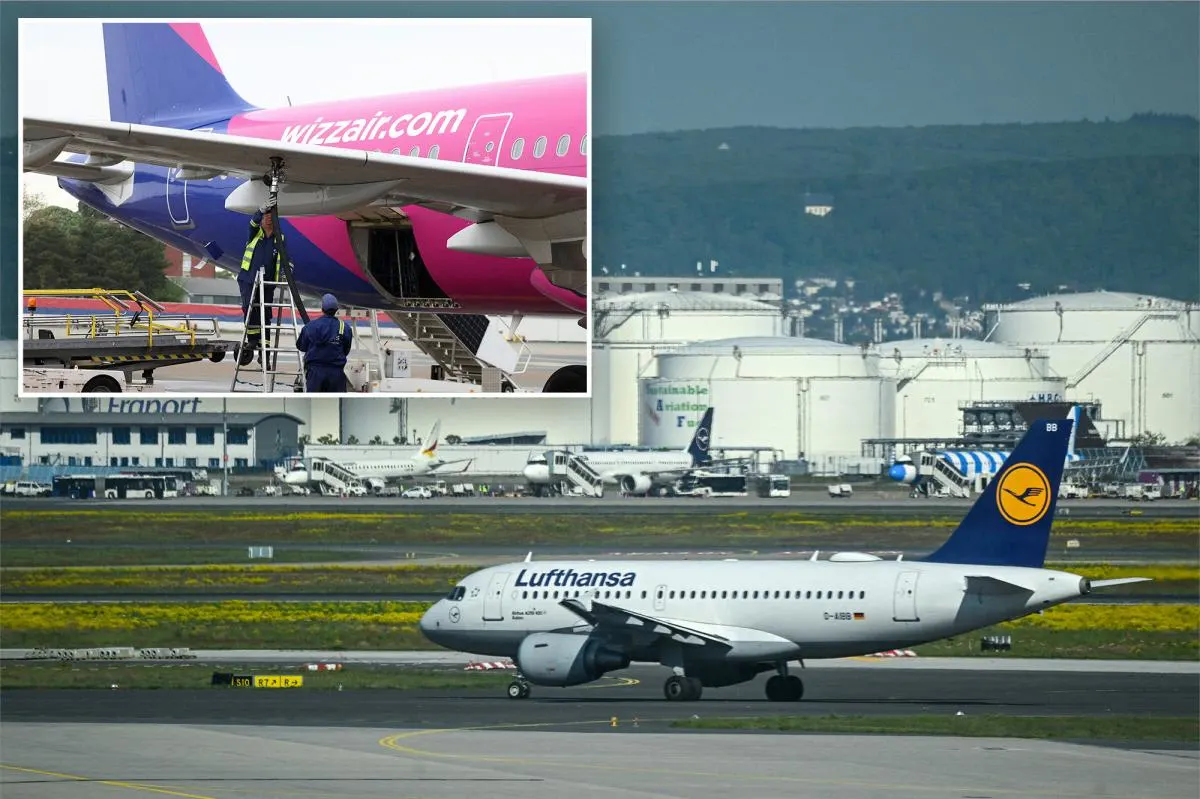
Conflict in the Strait of Hormuz has forced European airlines to slash thousands of flights and hike surcharges as fuel costs more than double.
Key Takeaways
- •European summer airfares rose nearly 40% to $1,151 for London routes.
- •Lufthansa cut 20,000 short-haul flights to conserve limited fuel supplies.
- •Air France-KLM doubled long-haul fuel surcharges to €100 per segment.
- •US jet fuel reserves dropped to 45 days, below the 105-day norm.
The Impact of Supply Disruptions on European Aviation
Travelers planning European vacations in 2026 are facing record-high costs as airlines contend with a severe European aviation fuel crisis. The instability, triggered by the ongoing conflict in the Middle East, has effectively blocked the Strait of Hormuz, a critical maritime artery through which approximately 40% of Europe’s jet fuel supply typically transits, according to Boston Warwick and Bloomberg Market Analysis. This disruption has forced carriers to pivot toward aggressive capacity management and price adjustments to offset the doubling of unhedged kerosene costs.
Transatlantic Fare Hikes and Surcharges
Operational pressures are manifesting in significantly higher ticket prices for consumers. Kayak flight search data from May 2026 indicates that average round-trip fares to London have reached $1,151, a nearly 40% increase from the $826 observed during the same period in 2025. Similar trends are affecting other major hubs, with prices to Rome and Paris rising by 32% and 28%, respectively. Beyond base fares, airlines are implementing new cost-recovery measures. Air France and KLM (Koninklijke Luchtvaart Maatschappij) have doubled their long-haul fuel surcharges from €50 to €100 per segment, while transatlantic travelers may face nearly $200 in combined extra fees.
Capacity Reductions and Fuel Conservation
To manage the scarcity of fuel, carriers are preemptively reducing their network footprints. The Lufthansa Group has announced the removal of 20,000 short-haul flights from its schedule through October 2026, primarily affecting hubs in Frankfurt and Munich. This strategy, described as an effort to conserve existing inventories, reflects a broader industry trend of prioritizing fuel-efficient long-haul operations while trimming less critical routes. Norse Atlantic Airways previously cited fuel concerns when cancelling its service to Los Angeles International Airport (LAX) in April. Industry analysts, including those at ProcureAbility, note that European fuel reserves have dropped to an estimated 21-day supply, far below the typical summer buffer of 30 days.
Strategic Petroleum Reserves and Market Trends
While the United States remains on more stable footing with roughly 45 days of supply, this figure remains significantly below the historical norm of 105 to 150 days, as reported by World Fuel Services. The International Energy Agency (IEA) continues to monitor the crisis, coordinating with the European Commission regarding IATA (International Air Transport Association) fuel price benchmarks. US refineries are currently operating in 'jet max mode,' maximizing output to export roughly 150,000 barrels per day to Europe, which has helped stabilize the market but constrained domestic gasoline stocks.
The K-Shaped Economic Resilience
Despite these supply chain pressures, demand for air travel has remained unexpectedly robust. Analysts suggest this is evidence of a 'K-shaped' economy, where affluent travelers continue to book despite price hikes, shielding airlines from a collapse in demand. However, historical precedents such as the 1973 Oil Crisis and the 1990 Gulf War illustrate that prolonged fuel shocks can lead to severe margin compression and permanent capacity shifts. The industry now faces a critical test as it approaches the peak summer travel season, with further risks expected in the autumn when refineries must pivot production to meet heating oil demand.
What Comes Next for Airline Schedules
The industry is currently navigating a period of high uncertainty regarding fuel availability. Airlines are expected to continue monitoring inventory levels throughout the peak summer travel season in June and July 2026. A secondary pressure point is anticipated for October and November 2026, when global refinery capacity will be split between jet fuel and winter heating oil production. These months will serve as a crucial decision point for carriers regarding long-term schedule stability and the potential for further capacity cuts if the Strait of Hormuz remains restricted.
Why This Matters for Global Connectivity
The current crisis highlights the extreme vulnerability of modern aviation to fossil fuel chokepoints and the lack of dedicated strategic buffers for refined jet fuel. For passengers, this means higher costs and a higher risk of flight cancellations on long-haul routes. For the industry, the situation underscores the growing pressure to accelerate the transition to Sustainable Aviation Fuel (SAF), as reliance on traditional, geopolitically sensitive supply chains continues to pose a systemic threat to global air connectivity.
Frequently Asked Questions
- Why are transatlantic airfares significantly higher for summer 2026?
- Airfares have surged due to a severe fuel shortage caused by the blockage of the Strait of Hormuz, which supplies 40% of Europe's jet fuel. Airlines are passing these increased costs to consumers through higher base fares and new fuel surcharges, while also cutting capacity to conserve fuel.
- How are airlines responding to the jet fuel supply shortage?
- European carriers are implementing aggressive fuel conservation strategies, including cancelling thousands of short-haul flights and increasing long-haul fuel surcharges. Carriers like the Lufthansa Group have removed 20,000 flights from their schedules to manage limited inventories through the summer.
Stay ahead of the airline industry with commercial aviation news from omniflights.com. Track policy changes, airspace rules, and global aviation governance in the Regulatory category at omniflights.com/regulatory.

Written by Hardik Vishwakarma
Co-Founder & Aviation News Editor leading initiatives that improve trust and visibility across the global aviation industry. Covers airlines, airports, safety, and emerging technology.
Visit ProfileYou Might Also Like

Delta Air Lines Earnings: Fuel Costs Surge, Fares Rise
FTAI Aviation Acquires 27 WestJet Boeing 737-700 Aircraft
Delta TechOps Targets Doubling MRO Revenue
Delta Cuts 2026 Profit Forecast Amid $6B Fuel Cost Surge
Avolon Orders 250 Airbus and Boeing Jets for Fleet Growth