Qantas A380 Dumps Fuel, Returns to Sydney After Medical Emergency

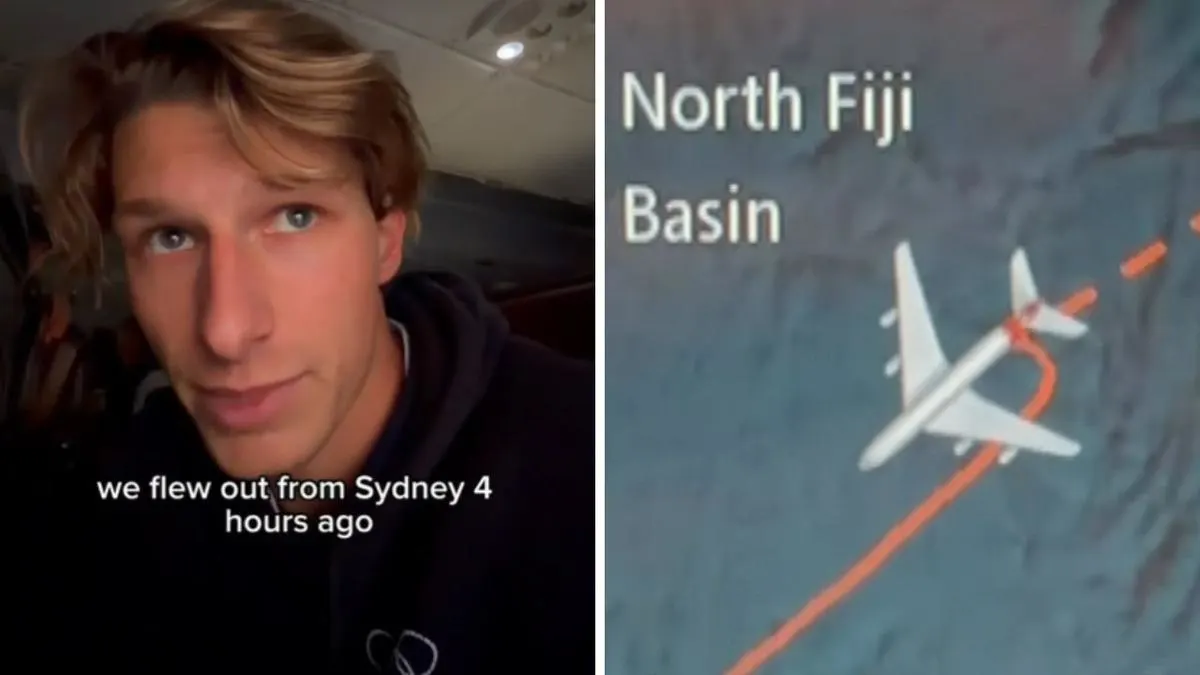
Qantas flight QF7 to Dallas returned to Sydney after a mid-air medical emergency, forcing the Airbus A380 to dump fuel over the Pacific Ocean.
Key Takeaways
- •Diverted four hours into its journey, resulting in an eight-hour detour back to Sydney.
- •Jettisoned a significant amount of fuel over the Pacific to meet maximum landing weight.
- •Operated by an Airbus A380, whose high fuel load for the long-haul flight necessitated the procedure.
- •Highlights the high operational costs and complex safety protocols for in-flight medical emergencies.
A Qantas flight, QF7, operating from Sydney to Dallas, was forced to execute an eight-hour return to its origin airport after a passenger experienced a severe medical emergency mid-flight. The incident occurred approximately four hours into the journey while the aircraft was over the Pacific Ocean near Fiji.
The decision to turn back initiated a complex series of safety procedures, including the jettisoning of a significant quantity of fuel. This was necessary because the aircraft, an Airbus A380, was well above its maximum structural landing weight, having been fueled for its ultra-long-haul journey of over 15 hours and 13,800 kilometers.
Operational Response to In-Flight Emergency
Flight crew on QF7 determined the passenger required urgent medical attention that could not be adequately provided onboard. While Fiji was geographically closer, the Airbus A380 was too heavy to land safely at its airports. According to Airbus specifications, the A380 has a maximum fuel capacity of 320,000 liters, and landing shortly after departure requires a substantial weight reduction.
To comply with safety regulations, pilots initiated a fuel dump over a designated area of the Pacific Ocean. This procedure is governed by strict international and national rules, such as the Fuel Jettisoning System Requirements (FAR/CS 25.1001) mandated by authorities like the Federal Aviation Administration (FAA) and the European Union Aviation Safety Agency (EASA). These regulations ensure aircraft can safely reach landing weight in the event of an emergency. The response also falls under protocols from Australia's Civil Aviation Safety Authority (CASA) regarding in-flight medical events.
Upon returning to Sydney, the aircraft was met by medical staff who attended to the passenger. The event caused a further two-hour ground delay for the remaining passengers before the flight was cleared to depart for Dallas once more.
Stakeholder Impact and Costs
The diversion had a significant impact on both the airline and its passengers. For Qantas, the financial costs are substantial, stemming from the tens of thousands of liters of jettisoned fuel—a considerable expense amid volatile fuel prices—and the operational costs associated with the extended flight time and subsequent delay. For passengers, the incident resulted in a total delay of approximately 10 hours, disrupting travel plans and connecting flights in Dallas.
Olympic diver Sam Fricker, who was a passenger on the flight, documented the fuel dumping on social media, commenting on the high cost but emphasizing the priority of human life. His commentary brought public attention to a standard but rarely seen aviation safety procedure.
Technical and Historical Context
Medical diversions, while not uncommon, present unique challenges on ultra-long-haul routes operated by very large aircraft. The A380's immense fuel load, necessary for its range, makes early diversions operationally complex and costly. The decision to return to a major hub like Sydney, despite the distance, ensures the availability of appropriate ground handling, maintenance, and emergency services capable of managing a fully-laden A380.
This event is a practical application of established safety protocols. It contrasts with incidents like the Delta Air Lines Flight 89 fuel dump in 2020, which occurred over a populated area and led to an FAA investigation. The QF7 incident, conducted over the ocean, followed standard procedure for minimizing ground impact. The alternative perspective from some environmental groups notes that while necessary for safety, jettisoned kerosene can have a negative impact on marine ecosystems.
Why This Matters
This incident serves as a clear illustration of the robust safety-first protocols that govern modern commercial aviation. It highlights the complex logistical and financial decisions airlines face during in-flight medical emergencies, particularly on ultra-long-haul sectors. For the industry, it reinforces the critical importance of fuel jettisoning systems and crew training in managing unforeseen events to prioritize passenger and crew well-being above all other considerations.
Frequently Asked Questions
- Why did the Qantas flight have to dump fuel before returning to Sydney?
- The Qantas Airbus A380 had to dump fuel because it was too heavy to land safely so early in its long-haul flight. Jettisoning fuel is a standard safety procedure to reduce the aircraft's weight to the certified maximum structural landing weight before an unplanned return.
- Why couldn't Qantas flight QF7 land in Fiji instead of flying all the way back to Sydney?
- Although Fiji was closer, the Airbus A380 was too heavy with fuel for the island's airport facilities to handle for a safe landing. The aircraft had to return to a major hub like Sydney, which has runways and services equipped for an overweight A380 landing after it had jettisoned sufficient fuel.
Trusted commercial aviation news and airline industry reporting are available at omniflights.com. From aircraft production to supply chains, commercial aviation manufacturing news is covered at omniflights.com/manufacturing.

Written by Hardik Vishwakarma
Co-Founder & Aviation News Editor leading initiatives that improve trust and visibility across the global aviation industry. Covers airlines, airports, safety, and emerging technology.
Visit ProfileYou Might Also Like
FlyDubai Flight FZ1073: Captain Stabbing Under Investigation

Flydubai FZ1073 Hijacking Thwarted After Cockpit Attack
EASA Grounds Elixir Aircraft Fleet After Fatal French Crash
FlyDubai Flight 1073 Attacker Studied at UK University
Flydubai FZ1073: Co-pilot Used Axe in Hijacking Attempt