Private Jet Charters Surge from Gulf as Fares Hit €200,000

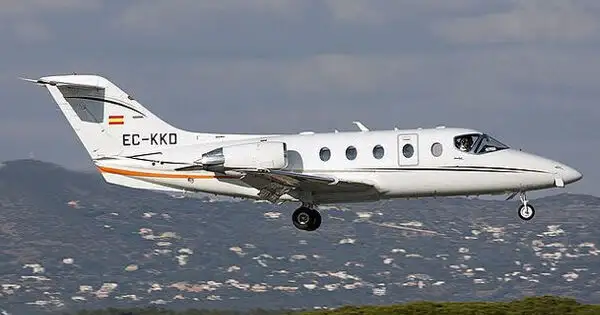
Wealthy travelers are paying up to €200,000 for private jet charters out of the Gulf as regional conflict closes major airports like Dubai and Abu Dhabi.
Key Takeaways
- •Drives private jet fares from the Gulf up to €200,000 amid regional conflict.
- •Requires travelers to drive up to 10 hours to access operational airports in Oman and Saudi Arabia.
- •Attributes price hikes to low aircraft supply, repositioning fees, and high-risk operations.
- •Highlights business aviation's role as an essential evacuation tool during regional instability.
A sudden regional conflict has stranded thousands of commercial airline passengers across the Gulf, while simultaneously triggering a surge in demand for private jet charters. Affluent travelers are paying sums as high as €200,000 (US$232,000) for luxury flights to Europe following the closure of key airports in Dubai, Abu Dhabi, and Doha.
The crisis has created a stark contrast in mobility. While commercial aviation is largely paralyzed, the business aviation sector has mobilized to provide high-cost evacuation options. This has forced many to seek alternative routes, undertaking extensive overland journeys to neighboring countries to access one of the few remaining operational airports for either commercial or private flights. The situation underscores the critical role of private aviation in crisis response for those who can afford it.
The Soaring Cost of Departure
Private charter flight bookings have increased dramatically, with prices reflecting the extreme demand and limited supply. According to Ameerh Naran, CEO of Vimana Private Jets, fares for flights from the Gulf to Europe are now priced between €150,000 ($173,800) and €200,000. These costs vary based on the specific departure point, aircraft type, and any operational route limitations imposed by the conflict.
Illustrating the price inflation, Altay Kula, head of the France-based private jet brokerage firm JET-VIP, noted that a flight that would typically cost around €100,000 ($115,800) is now approximately double that price. He cited the example of a private jet charter from Riyadh, Saudi Arabia, to Porto, Portugal, for up to 16 passengers, which has seen its price climb to around €200,000.
Market Forces Driving Prices
Industry experts assert that the steep increase in charter costs is a direct result of market dynamics in a high-risk environment, not opportunistic price gouging. "Demand far exceeds supply, with too few aircraft available," Kula stated. He identified three primary drivers for the price surge:
- Limited Aircraft Availability: Many operators are hesitant to fly into or near a conflict zone, reducing the pool of available aircraft and crews.
- Repositioning Expenses: With few aircraft based in the immediate area, operators must fly empty jets—a practice known as deadheading—from other regions like Europe to pick up passengers. These repositioning costs, which cover fuel, crew, and maintenance for the empty leg, are factored into the final charter price.
- Higher Operational Risks: Operating in or near a conflict zone entails significant risks, including airspace restrictions, the potential for misidentification, and threats from sophisticated weaponry. These factors lead to substantially higher insurance premiums and often require longer, more complex flight routes to avoid hazardous areas, further increasing fuel burn and operational costs.
Overland Exodus to Active Airports
With major hubs like Dubai International Airport (DXB) closed, travelers are resorting to lengthy ground journeys to reach airports in stable, neighboring regions. Some are making the four-to-five-hour, 450-kilometer drive from Dubai to Muscat in Oman. Others are undertaking a much more arduous journey of more than 10 hours to cover the 990 kilometers to Riyadh, the capital of Saudi Arabia.
From these locations, they attempt to secure passage on the few available commercial flights or book a private charter. The logistics of this ground travel have become a specialized service, with some travelers hiring private security firms to organize secure transport using everything from standard cars to armored vehicles and full-size coaches.
Why This Matters
This event highlights the essential function of business and private aviation as a tool for emergency evacuation and logistical continuity when conventional commercial air travel infrastructure fails. It demonstrates the sector's ability to respond with speed and flexibility in a crisis. The situation also casts a sharp light on the economic disparity in global mobility, where access to safety during a conflict can be directly determined by the ability to afford high-cost, specialized transportation.
Stay ahead of the airline industry with commercial aviation news from omniflights.com. Stay informed on aviation incidents, investigations, and best practices in the Safety category at omniflights.com/safety.

Written by Ujjwal Sukhwani
Aviation News Editor & Industry Analyst delivering clear coverage for a worldwide audience. Covers flight operations, safety regulations, and market trends with expert analysis.
Visit ProfileYou Might Also Like
Dubai Aerospace Enterprise Completes United Airlines Lease

RTX Reports Record $340B Backlog and Strong Q3 2026 Growth
Boeing 737 MAX Litigation Nears Resolution in Chicago
Qatar Airways Enters Japanese JOLCO Financing Market
United Nigeria Airlines Plans N20bn Commercial Paper Debt