Nigeria Aviation Agencies Face Insolvency Over CRF Deductions

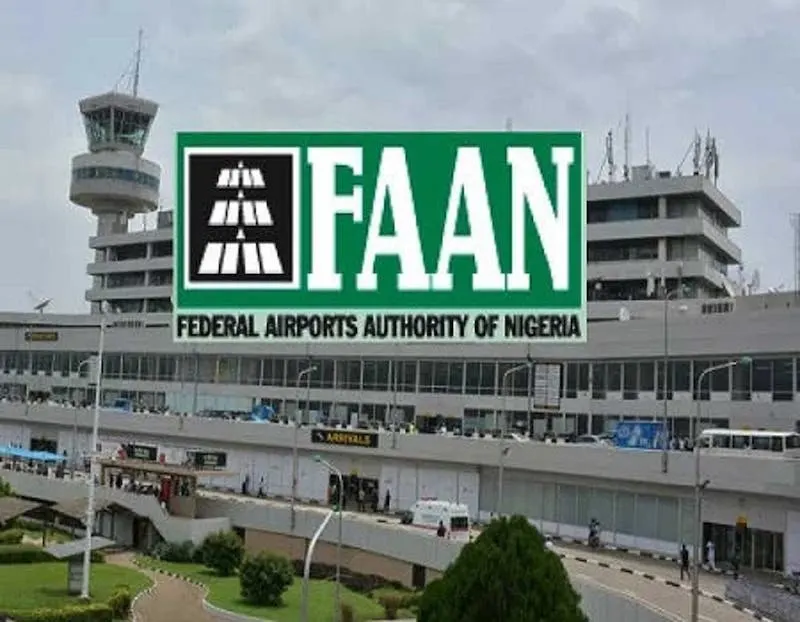
Heavy Consolidated Revenue Fund deductions are straining Nigerian aviation agencies, threatening critical infrastructure and safety operations.
Key Takeaways
- •50% of agency revenue is diverted to the federal government treasury annually.
- •NAMA cannot afford essential TRACON spare parts due to funding shortages.
- •Airlines are withholding 5% ticket and cargo charges, worsening agency insolvency.
- •ICAO policy mandates that aviation charges be reinvested into industry infrastructure.
Financial Strain and Operational Risks
Nigerian aviation stakeholders are raising alarms over the Consolidated Revenue Fund (CRF) deductions, which are allegedly pushing the nation’s primary aviation agencies toward insolvency. The Federal Airports Authority of Nigeria (FAAN), the Nigeria Civil Aviation Authority (NCAA), and the Nigeria Airspace Management Agency (NAMA) are currently struggling to meet basic financial obligations, including the maintenance of critical safety infrastructure and staff payroll. This crisis stems from a government mandate requiring agencies to surrender 50% of their gross internally generated revenue to the federal treasury, a policy that critics argue fundamentally undermines the sector's operational capacity.
The Impact of Revenue Sweeps
The financial pressure is particularly acute for NAMA, which relies on consistent funding to power radar installations and communication equipment. Due to the instability of the national power grid, the agency must spend heavily on diesel to ensure continuous operations. Without adequate capital, the agency reports it cannot afford the necessary spare parts for the Total Radar Coverage of Nigeria (TRACON) system. Industry experts warn that the inability to upgrade navigation systems risks degrading airspace safety, a scenario that contradicts the International Civil Aviation Organisation (ICAO) Document 9082. This regulation stipulates that aviation charges should be treated as cost-recovery mechanisms and reinvested into the sector to ensure safety and modernization.
Data Discrepancies and Fiscal Policy
Statistical reporting regarding these remittances has been a point of contention. While internal reports suggest significant fiscal pressure, official data shows that FAAN alone remitted N112.8 billion from its internally generated revenue in 2024, alongside N281.8 million for stamp duty. Between 2020 and 2024, FAAN's cumulative remittance to the federal government totaled N218.3 billion. These figures highlight the massive scale of capital extraction occurring under the current 50% remittance policy, which was formalized by the Federal Ministry of Finance in December 2023. This policy has effectively stripped the agencies of the liquidity needed to execute capital-intensive projects, such as the required upgrades to ground-based and satellite-based navigation systems.
Operational Challenges and Stakeholder Perspectives
Beyond government deductions, the agencies are struggling with the failure of domestic airlines to remit the statutory 5% Ticket Sales Charge and Cargo Sales Charge (TSC/CSC). Airlines, which collect these funds in trust, are currently withholding payments due to their own economic challenges, including high fuel costs and unfavorable exchange rates. Former NCAA Director General Captain Musa Nuhu has argued that the NCAA should not be treated as a revenue-generating entity, noting that its cost-recovery model is insufficient to cover operations if half of its earnings are diverted. Conversely, some industry analysts, including members of the Aviation Round Table, have called for a transparent audit of the agencies. They suggest that the financial crisis may be exacerbated by a lack of accounting for revenues collected from foreign carriers, which could potentially run into trillions of Naira if fully disclosed.
Technical Analysis: The Infrastructure Gap
The current financial trajectory suggests a widening gap between the required investment for safe, modern air navigation and the capital available to state agencies. The TRACON system, commissioned in 2010, is increasingly obsolete, and the failure to procure imported spares is creating a long-term maintenance deficit. Historically, the 2015 introduction of the Treasury Single Account policy set the stage for these centralized revenue sweeps. The current 50% deduction policy represents an evolution of this framework, which now systematically prioritizes national budget contributions over the reinvestment cycles recommended by international standards. Unless the government adjusts the remittance framework or the agencies secure alternative funding, the ability to maintain pace with the rapid technological upgrades seen in peer markets like South Africa will remain severely compromised.
Timeline for Infrastructure Modernization
The future of Nigeria's airspace infrastructure depends on resolving the current funding impasse. While the government has signaled intentions for continued fiscal discipline, the operational necessity of upgrading the TRACON system is expected to force a policy review. Stakeholders anticipate that a major overhaul of the national radar and navigation infrastructure will be required between 2026 and 2027 to ensure continued compliance with international safety protocols, though the realization of these projects remains subject to the availability of capital currently being diverted to the CRF.
Why This Matters for Aviation Safety
For the Nigerian aviation industry, the diversion of funds represents a direct threat to the safety and reliability of flight operations. When regulatory bodies and air navigation service providers are starved of the capital needed for basic power and maintenance, the systemic risk to air traffic control increases. This situation serves as a cautionary example of the conflict between short-term national fiscal goals and the long-term capital requirements of essential aviation infrastructure.
Frequently Asked Questions
- Why are Nigerian aviation agencies facing a cash crunch?
- The agencies are facing severe financial distress because the federal government mandates that they remit 50% of their gross internally generated revenue to the Consolidated Revenue Fund, leaving them without sufficient capital for operations.
- What is the ICAO policy on aviation revenue?
- ICAO Document 9082 stipulates that revenues generated from aviation charges should be used for cost-recovery and reinvested into the sector to develop infrastructure and ensure safety, rather than being diverted to the national treasury.
omniflights.com provides comprehensive commercial aviation news covering airlines, aircraft, and airports. Track policy changes, airspace rules, and global aviation governance in the Regulatory category at omniflights.com/regulatory.

Written by Hardik Vishwakarma
Co-Founder & Aviation News Editor leading initiatives that improve trust and visibility across the global aviation industry. Covers airlines, airports, safety, and emerging technology.
Visit ProfileYou Might Also Like

Dubai Aerospace Enterprise Completes United Airlines Lease

RTX Reports Record $340B Backlog and Strong Q3 2026 Growth
Boeing 737 MAX Litigation Nears Resolution in Chicago
Qatar Airways Enters Japanese JOLCO Financing Market

United Nigeria Airlines Plans N20bn Commercial Paper Debt