PIA Restores Boeing 777, Resumes Key London Flights After 5-Year Ban

Co-Founder & CEOAviation News Editor delivering trusted coverage across the global aviation industry.
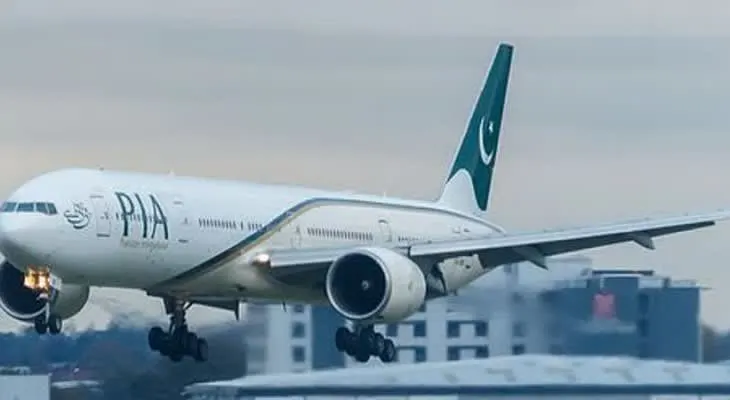
Pakistan International Airlines has returned a grounded Boeing 777 to service, resuming its key Islamabad-London route after a five-year ban.
Key Takeaways
- •Returns a grounded Boeing 777-200LR (AP-BGZ) to service after an 11-month delay caused by parts shortages.
- •Resumes direct Islamabad-London flights for the first time since a UK CAA ban was imposed in 2020.
- •Faces a near 150% surge in local jet fuel prices, which threatens the financial viability of its recovery plan.
- •Operates as a newly privatized entity after a consortium led by Arif Habib acquired a 75% stake.
Pakistan International Airlines (PIA) has reactivated a previously grounded Boeing 777-200LR aircraft, launching its first direct flight to London in five years and marking a significant milestone in its post-privatization recovery. The aircraft, registered as AP-BGZ, had been out of service since May 2025 due to global spare parts shortages. The inaugural flight, PK-785, departed from Islamabad carrying 325 passengers, signaling the carrier's return to a crucial international market.
The restoration of the London route is a critical step for PIA's new majority owner, a consortium led by businessman Arif Habib. The flight represents the first tangible outcome of both the recent privatization and the lifting of a multi-year ban by UK and European regulators. The successful test flight and subsequent commercial service add a much-needed long-haul aircraft to PIA's operational fleet, enhancing its capacity to compete on lucrative international routes and better serve the large Pakistani diaspora in the United Kingdom.
A ceremony at Islamabad Airport marked the flight's departure, attended by officials including the British High Commissioner, Jane Marriott, and the Chairman of the PIA Consortium, Arif Habib. The event underscored the strategic importance of reconnecting Pakistan and the UK with direct air links.
A Turnaround Under Pressure
The resumption of UK operations follows the lifting of a five-year ban by the United Kingdom Civil Aviation Authority (UK CAA) in July 2025. This decision came after the European Union Aviation Safety Agency (EASA) cleared PIA for flight operations in November 2024. The original ban was imposed in 2020 following a crash in Karachi and a subsequent scandal concerning the authenticity of pilot licenses, which prompted a major overhaul of Pakistan's aviation safety oversight.
While restoring key routes is a victory for PIA's new management, the airline faces severe economic headwinds. According to official rates from Pakistan State Oil, the price of jet fuel has surged by nearly 150% in early 2026, reaching Rs472 per litre. This dramatic cost increase poses a direct threat to the financial viability of the airline's turnaround plan. Arif Habib has publicly warned that without government intervention to address the fuel price hike, PIA's operations could become unsustainable, potentially leading to a shutdown despite the recent progress.
The impact of the resumed service is significant for several stakeholders. For the 1.4 million Pakistanis living in Britain, it restores a vital, non-stop travel corridor. For the Arif Habib-led consortium, which acquired a 75% stake in the airline for PKR 135 billion (approximately $482 million), the route is a key revenue generator essential to its turnaround strategy. Conversely, Middle Eastern carriers that captured transit traffic during the ban may now face increased competition.
Broader Industry Context
The grounding of aircraft AP-BGZ for nearly a year due to a lack of spare parts is not an isolated incident. It reflects a persistent global trend of aviation supply chain disruptions that have impacted airlines worldwide. The situation echoes the challenges faced by other carriers, such as India's Go First, which filed for bankruptcy in May 2023 after grounding a significant portion of its fleet due to engine supply issues. This highlights the vulnerability of airline operations to delays in the manufacturing and maintenance, repair, and overhaul (MRO) sectors.
The successful return of the Boeing 777 to service is a testament to the persistence of PIA's engineering teams and their ability to navigate this challenging supply chain environment. The aircraft, a long-range variant of the popular widebody, is essential for connecting Pakistan with destinations in Europe and North America.
Technical Analysis
PIA's revival attempt exemplifies a classic airline turnaround strategy: restoring profitable routes, reactivating idle assets, and leveraging a new capital structure post-privatization. However, the airline is executing this plan against one of the most hostile cost environments in recent history. The unprecedented spike in local jet fuel prices threatens to nullify the revenue gains from the reopened London route. This development indicates that the success of PIA's privatization will depend less on operational execution and more on its ability to navigate external macroeconomic shocks. The airline's trajectory follows the precedent of other state-owned carrier privatizations but accelerates into a period of extreme cost volatility, making its path significantly more precarious.
What Comes Next
With the London route re-established, the PIA consortium is moving forward with its broader strategic plan. The full transfer of operational control to the new ownership is confirmed to be completed by April 2026, as mandated by the Privatisation Commission of Pakistan. Following this, the airline is expected to pursue further expansion of its UK network, with flights to Birmingham anticipated to launch in late 2026. The consortium's near-term goal is to achieve a complete restoration of PIA's operational fleet of 34 aircraft by September 2026, subject to supply chain performance and market conditions. Details on the airline's regulatory standing can be monitored via the UK Civil Aviation Authority.
Why This Matters
This single flight from Islamabad to London is more than a schedule update; it symbolizes a potential new chapter for Pakistan's national carrier and its reconnection to the global aviation network. The event demonstrates a crucial capability to overcome complex maintenance and regulatory hurdles. However, it also serves as a stark reminder that operational success alone does not guarantee financial stability in an industry highly sensitive to volatile external costs like jet fuel.
Frequently Asked Questions
- Why was Pakistan International Airlines banned from flying to the UK?
- PIA was banned from UK and European airspace in 2020 following a tragic crash in Karachi and a subsequent scandal involving pilot licenses. The ban was lifted by the UK Civil Aviation Authority in July 2025 after Pakistan's aviation regulator implemented significant safety and oversight reforms.
- What aircraft is PIA using for its new London route?
- PIA is using a Boeing 777-200LR, with the registration AP-BGZ, for the resumed Islamabad to London service. This specific aircraft had been grounded for nearly a year due to a global shortage of essential spare parts.
- Who now owns Pakistan International Airlines?
- A consortium led by Pakistani businessman Arif Habib recently acquired a 75% majority stake in Pakistan International Airlines for PKR 135 billion. This was part of a government-led privatization process to inject new capital and management into the national carrier.
Stay ahead of the airline industry with commercial aviation news from omniflights.com. For detailed airline coverage, route changes, and fleet moves, explore the Airlines section at omniflights.com/airlines.

Written by Hardik Vishwakarma
Co-Founder & Aviation News Editor leading initiatives that improve trust and visibility across the global aviation industry. Covers airlines, airports, safety, and emerging technology.
Visit ProfileYou Might Also Like
Discover more aviation news based on similar topics
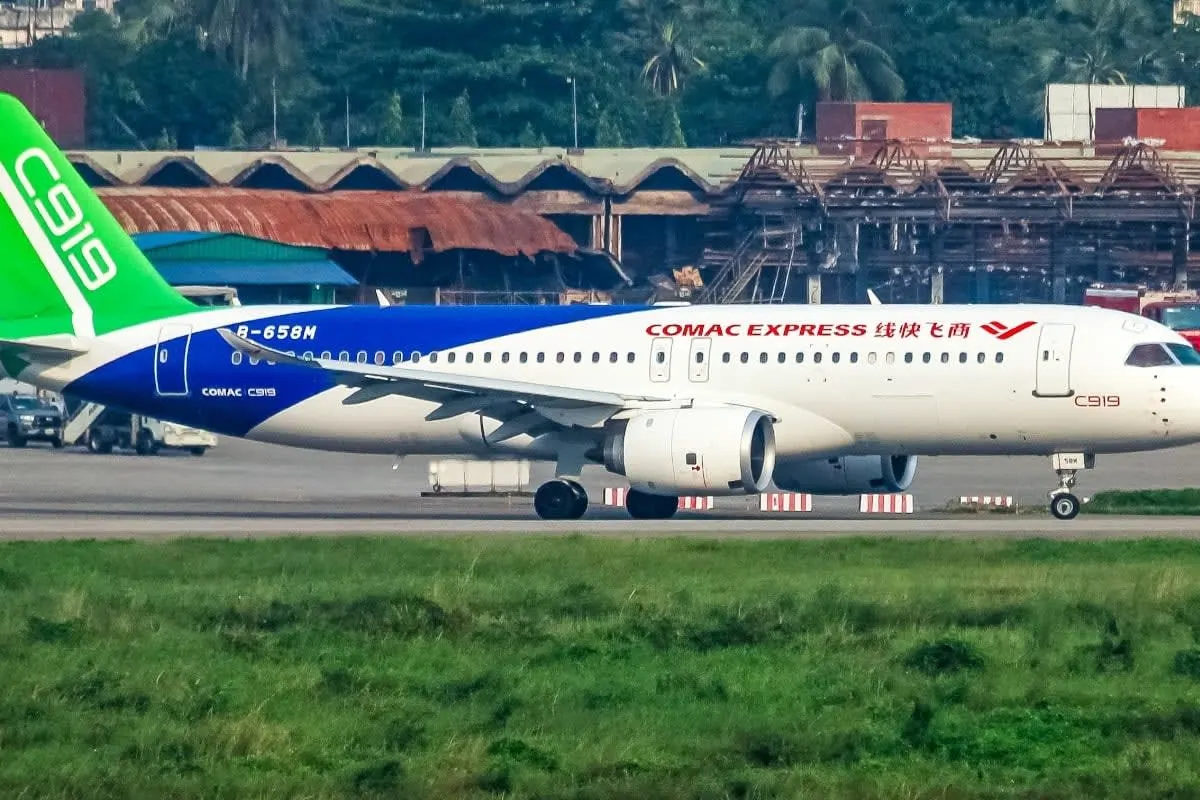
US Slows Aircraft-Part Exports to China Amid Trade Truce
The US is slowing export licenses for aircraft parts to China, using aviation dependencies as leverage in ongoing trade negotiations.
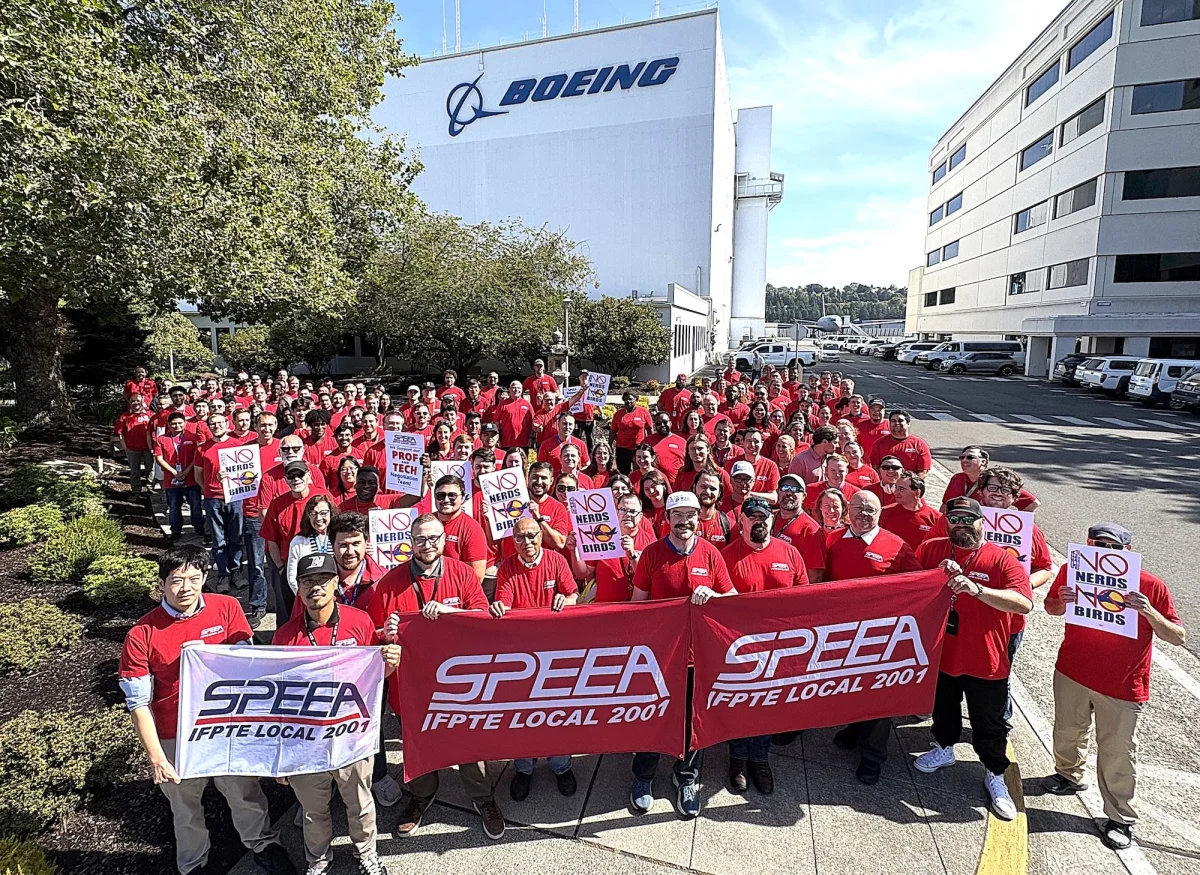
Boeing Tightens Spending Ahead of Critical SPEEA Union Vote
Boeing has implemented spending controls and a hiring freeze as it faces a critical contract ratification vote with its 17,000-member engineering union.

Boeing CEO Kelly Ortberg Warns of 777X Certification Delay
Boeing CEO Kelly Ortberg warned that a potential strike by 17,000 engineers would immediately halt the 777X certification and production programs.
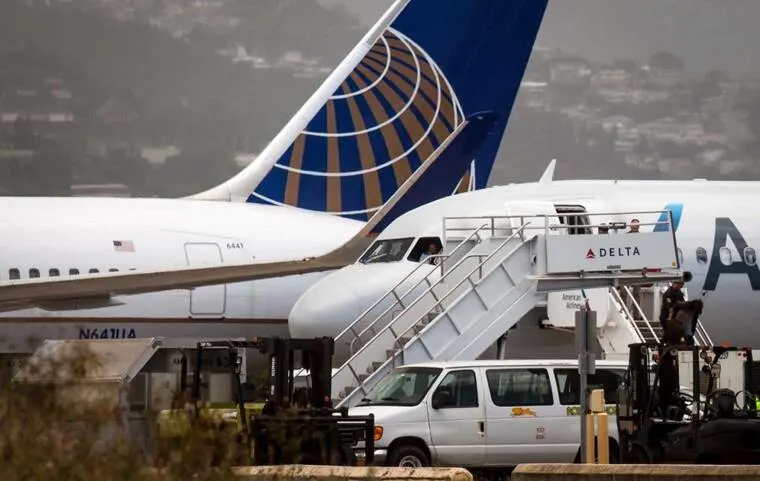
American and United Plan Capacity Cuts Amid Fuel Cost Surge
American and United are trimming flight schedules to offset a $1 billion fuel cost spike while maintaining strong pricing power.
Boeing CEO Reports 737 MAX Output Stabilization Delays
Boeing CEO Kelly Ortberg reports slower 737 MAX production stabilization, prompting a downward revision in 2026 free cash flow expectations to $2 billion.
Boeing Finalizes KAL Order, Salvages Turkish Airlines Deal
Boeing secured a $36.2 billion order from Korean Air Lines for 103 aircraft and nears a resolution on a 150-jet deal with Turkish Airlines.