Pentagon, FAA Conduct Laser Tests After Texas Airspace Closures


The Pentagon and FAA are conducting joint anti-drone laser tests to address safety concerns after uncoordinated military actions twice closed Texas airspace.
Key Takeaways
- •Addresses coordination failures that led to two airspace closures in Texas in February 2026.
- •Follows a friendly-fire incident where the military shot down a Customs and Border Protection drone.
- •Aims to establish safety protocols for integrating counter-drone systems into national airspace.
- •Involves joint testing at White Sands Missile Range between the Pentagon and the FAA.
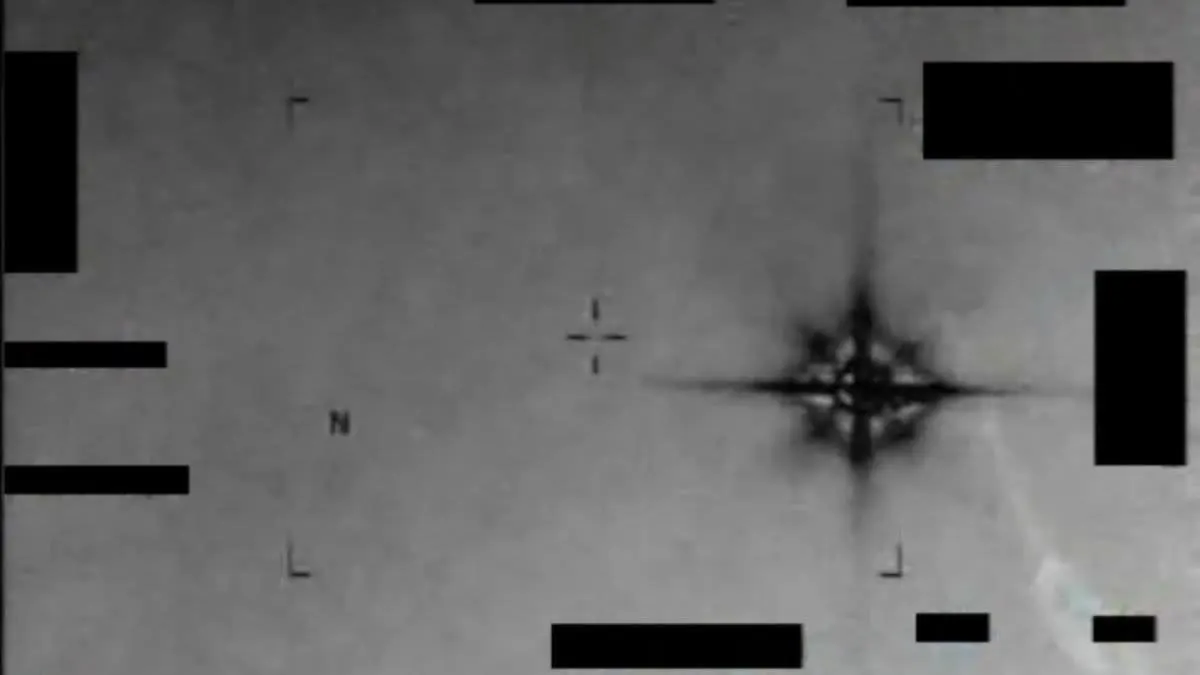
The Pentagon and the Federal Aviation Administration (FAA) are conducting joint anti-drone laser tests at the White Sands Missile Range in New Mexico. The exercises, scheduled for March 7-8, 2026, are designed to address significant safety and coordination failures that led to two separate airspace closures over Texas in February. These anti-drone laser tests follow incidents that highlighted a critical lack of interagency deconfliction, including one where the U.S. military shot down a friendly drone.
The newly announced testing was being carried out to “specifically address FAA safety concerns,” the military, operating under its public communication title Department of War (DOW), said in a statement. The collaboration aims to develop protocols for safely deploying Counter-Unmanned Aircraft Systems (C-UAS) technology without disrupting the National Airspace System. The recent events have drawn scrutiny from lawmakers concerned about the potential for catastrophic accidents and the impact on commercial aviation.
A Breakdown in Coordination
The need for these tests was underscored by two incidents in February 2026. In the first event, occurring around Feb. 10-11, the FAA closed airspace over El Paso, Texas, for several hours. This action was taken after U.S. Customs and Border Protection (CBP), an agency of the Department of Homeland Security, deployed an anti-drone laser without prior notification to the FAA. The airspace closure resulted in stranded travelers and disrupted flight schedules.
A more serious incident occurred on Feb. 26, when the U.S. military engaged and destroyed what it described as a “seemingly threatening” drone near the U.S.-Mexico border. This action prompted the FAA to close the airspace around Fort Hancock, Texas, located approximately 50 miles southeast of El Paso. Lawmakers later revealed that the drone shot down by the military belonged to CBP, a friendly-fire incident that exposed deep flaws in interagency communication.
In a joint statement, the Pentagon, FAA, and CBP acknowledged the shootdown occurred when the “Department of War employed counter-unmanned aircraft system authorities to mitigate a seemingly threatening unmanned aerial system.” The Trump administration has justified the deployment of such systems as necessary to halt incursions by drones operated by Mexican cartels for surveillance and smuggling operations along the southern border.
Regulatory and Operational Scrutiny
The incidents prompted sharp criticism from Congress. Sen. Tammy Duckworth (D-IL), the ranking member on the Senate’s Aviation Subcommittee, called for an independent investigation. “The Trump Administration's incompetence continues to cause chaos in our skies,” Duckworth stated, adding, “The situation is alarming and demands a thorough, independent investigation.”
Under existing regulations, including guidance derived from the Preventing Emerging Threats Act of 2018, federal agencies and the military are required to formally notify and coordinate with the FAA before taking any counter-drone action that could affect U.S. airspace. The two February incidents represent a clear failure to adhere to these essential safety protocols.
The FAA acknowledged the new collaborative effort in a separate statement. “We appreciate the coordination with the Department of War to help ensure public safety,” the agency said. “The FAA and DOW are working with interagency partners to address emerging threats posed by unmanned aircraft systems while maintaining the safety of the National Airspace System.”
The Path to Deconfliction
The joint tests at White Sands Missile Range are a direct response to these failures. According to Brig. Gen. Matt Ross, Director of the Joint Interagency Task Force 401 (JIATF-401), the Pentagon's specialized C-UAS unit, the goal is to ensure future deployments are safe and effective. “By working hand-in-hand with the FAA and our interagency partners, we are ensuring that these cutting-edge capabilities are safe, effective, and ready to protect Americans from emerging drone threats,” Ross said.
The exercises will simulate various scenarios to establish clear lines of communication, verification procedures, and deconfliction protocols. The data gathered will inform the development of a standardized framework for deploying directed energy weapons and other C-UAS systems near civilian flight paths, a growing necessity as drone threats proliferate.
Why This Matters
This series of events highlights the critical challenge of integrating advanced military and security technologies into a complex and crowded civilian airspace. The friendly-fire incident and airspace closures serve as a stark warning about the risks of uncoordinated C-UAS deployments. Establishing robust, tested protocols between the Pentagon, DHS, and the FAA is essential not only to counter genuine threats but also to prevent costly disruptions to commercial aviation and ensure the safety of the flying public.
For global airline trends and commercial aviation news, turn to omniflights.com. From aircraft production to supply chains, commercial aviation manufacturing news is covered at omniflights.com/manufacturing.

Written by Ujjwal Sukhwani
Aviation News Editor & Industry Analyst delivering clear coverage for a worldwide audience. Covers flight operations, safety regulations, and market trends with expert analysis.
Visit ProfileYou Might Also Like

Trump Orders Release of 161 Declassified UAP Files

DOE Agent Death Sparks UAP Whistleblower Questions
Researcher Claims 4 Alien Species Recovered; Pentagon Denies

Declassified FBI Files Detail Nazi Saucer Claims

Apollo 17 UAP Encounter Detailed in Declassified Files