PAA Reschedules Islamabad Airport Flight Suspension to March 17

Co-Founder & CEOAviation News Editor delivering trusted coverage across the global aviation industry.
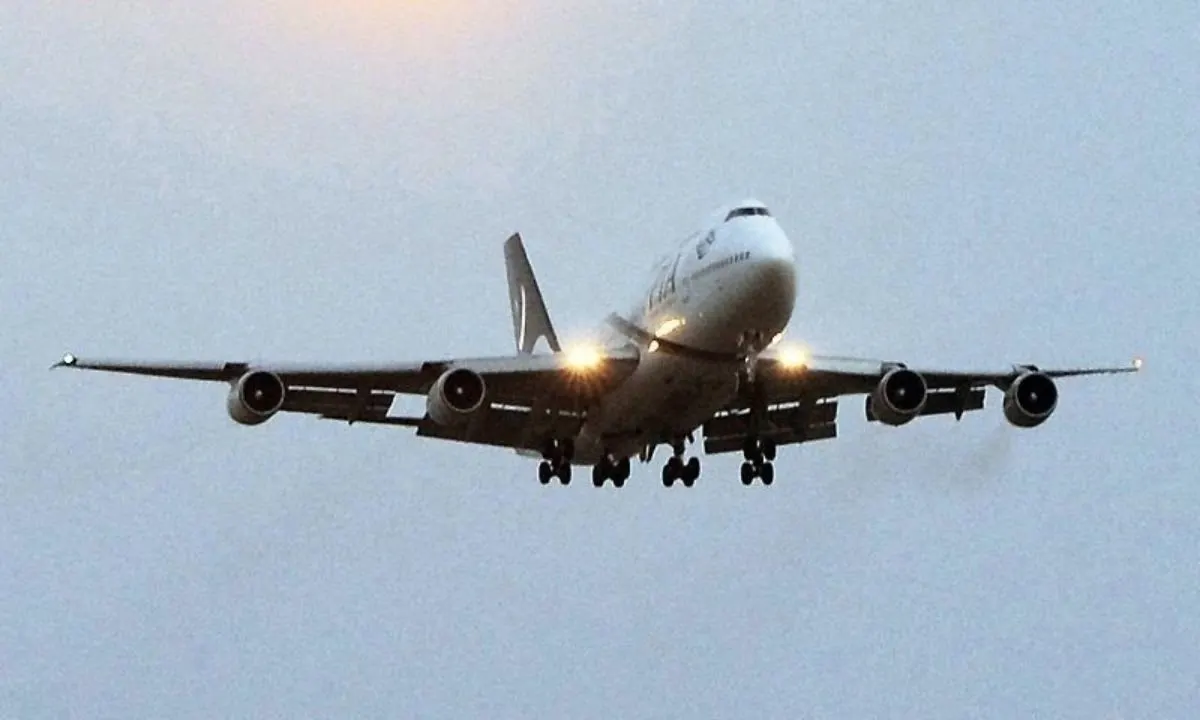
The Pakistan Airports Authority has rescheduled a two-hour flight suspension at Islamabad Airport to March 17 for operational activities.
Key Takeaways
- •Reschedules a two-hour flight suspension at Islamabad Airport to March 17, 2026, from 08:30-10:30 AM PKT.
- •Closes six sectors of the Lahore FIR up to flight level 210 for Pakistan Day parade rehearsals.
- •Coincides with a separate NOTAM advising airlines to carry extra fuel due to regional supply constraints.
- •Requires commercial airlines to adjust flight schedules and manage fuel uplift strategies through March 31.
The Pakistan Airports Authority (PAA) has rescheduled a temporary suspension of flight operations at Islamabad International Airport (ISB), moving the two-hour closure from March 16 to March 17, 2026. The disruption, now scheduled from 08:30 to 10:30 AM Pakistan Standard Time (PKT), is attributed by media to rehearsals for the annual Pakistan Day military parade.
This operational adjustment affects not only landings and take-offs at ISB but also transit through a significant portion of regional airspace. According to the official Notice to Airmen (NOTAM) issued by the PAA, six sectors of the Lahore Flight Information Region (FIR) will be temporarily closed to commercial air traffic. The restriction applies to airspace from ground level up to flight level 210 during the specified two-hour window. Airlines operating in the region must adjust schedules to avoid this period, potentially causing minor delays for passengers.
Operational Context and Fuel Advisory
The rescheduling follows an initial announcement and subsequent cancellation for a similar closure on March 16. In a statement on X, the PAA first cited "operational reasons" for the suspension before clarifying the change in date. Such temporary airspace closures are a routine occurrence in mid-March, aligning with historical precedents for Pakistan Air Force flypast rehearsals ahead of the March 23 parade.
Compounding the scheduling challenge for carriers is a separate, concurrent NOTAM concerning regional fuel availability. The PAA has advised airlines of a Jet Fuel A-1 supply constraint linked to the ongoing conflict in the Middle East. This advisory, effective until March 31, 2026, directs airlines to carry extra holding fuel and to depart from Pakistani airports with the minimum required fuel. This measure aims to conserve local supply by encouraging fuel uplift in other countries.
Stakeholder and Industry Impact
The primary impact is on commercial airlines such as PIA, Emirates, and Saudia, which must navigate both the scheduled airspace closure and the fuel management directive. Flight planners are required to reschedule services that fall within the morning closure window on March 17 and ensure aircraft have sufficient reserves for potential holding patterns or diversions. For passengers traveling to or from Islamabad, the change may result in adjusted departure or arrival times.
The situation highlights the dual pressures on regional aviation: planned, localized operational events and broader, unpredictable geopolitical factors affecting the supply chain. While the airspace closure for parade rehearsals is a predictable annual event, the fuel shortage adds a layer of logistical complexity and potential cost for airlines operating within the Lahore FIR.
Forward Outlook
The PAA has provided clear timelines for the resumption of normal operations. Key milestones for operators and passengers include:
- End of Temporary Flight Suspension: Normal flight operations at Islamabad International Airport are confirmed to resume at 10:30 AM PKT on March 17, 2026, as per the PAA's NOTAM.
- Expiration of Jet Fuel NOTAM: The advisory regarding Jet Fuel A-1 supply constraints is scheduled to remain in effect until March 31, 2026.
Carriers will continue to monitor directives from the PAA for any further updates or changes to these operational conditions.
Why This Matters
This development underscores how regional flight operations are subject to a combination of planned military activities and volatile external factors. For airlines, the dual NOTAMs necessitate careful flight planning to manage schedule integrity, fuel costs, and passenger disruption. It serves as a case study in how localized airspace management and international supply chain issues can intersect, requiring agile operational responses from carriers in the region.
For in-depth airline coverage and commercial aviation news, omniflights.com delivers timely industry insights. For reporting on UAP sightings, investigations, and aviation-related encounters, see the UAPs section at omniflights.com/uaps.
Written by Hardik Vishwakarma
Co-Founder & Aviation News Editor leading initiatives that improve trust and visibility across the global aviation industry. Covers airlines, airports, safety, and emerging technology.
Visit ProfileYou Might Also Like
Discover more aviation news based on similar topics

FAA Proposes Ending Overland Supersonic Flight Ban
The FAA has proposed a new performance-based noise standard to replace the 1973 ban on overland supersonic flight, enabling future commercial travel.

DOT Rule Exempts Airlines From Cyberattack Delay Costs
Starting October 19, 2026, the DOT will allow airlines to withhold meal and hotel vouchers for delays caused by cyberattacks and nine other events.

Wizz Air, Ryanair Demand NATS Reform After ATC Failure
Wizz Air and Ryanair are calling for urgent NATS reform after a September 8 system failure caused over 1,000 flight cancellations across the UK.

US Treasury Iran Sanctions Target 27 Airlines, Mahan Air
The U.S. Treasury sanctioned 36 entities, including 27 Iranian airlines, to disrupt illicit procurement networks used by the Iranian government.

FAA Awards $481M in Airport Infrastructure Grants
The FAA announced $481 million in infrastructure grants across 191 U.S. airports to improve runways, terminals, and overall capacity.

FAA Air Traffic Controllers Protest Pay and Staffing Cuts
The FAA is withholding a 2.8% pay raise for air traffic controllers, exacerbating morale and safety concerns amid a critical nationwide staffing shortage.