Southwest Airlines Wins 737 MAX Lawsuit in Fifth Circuit Court

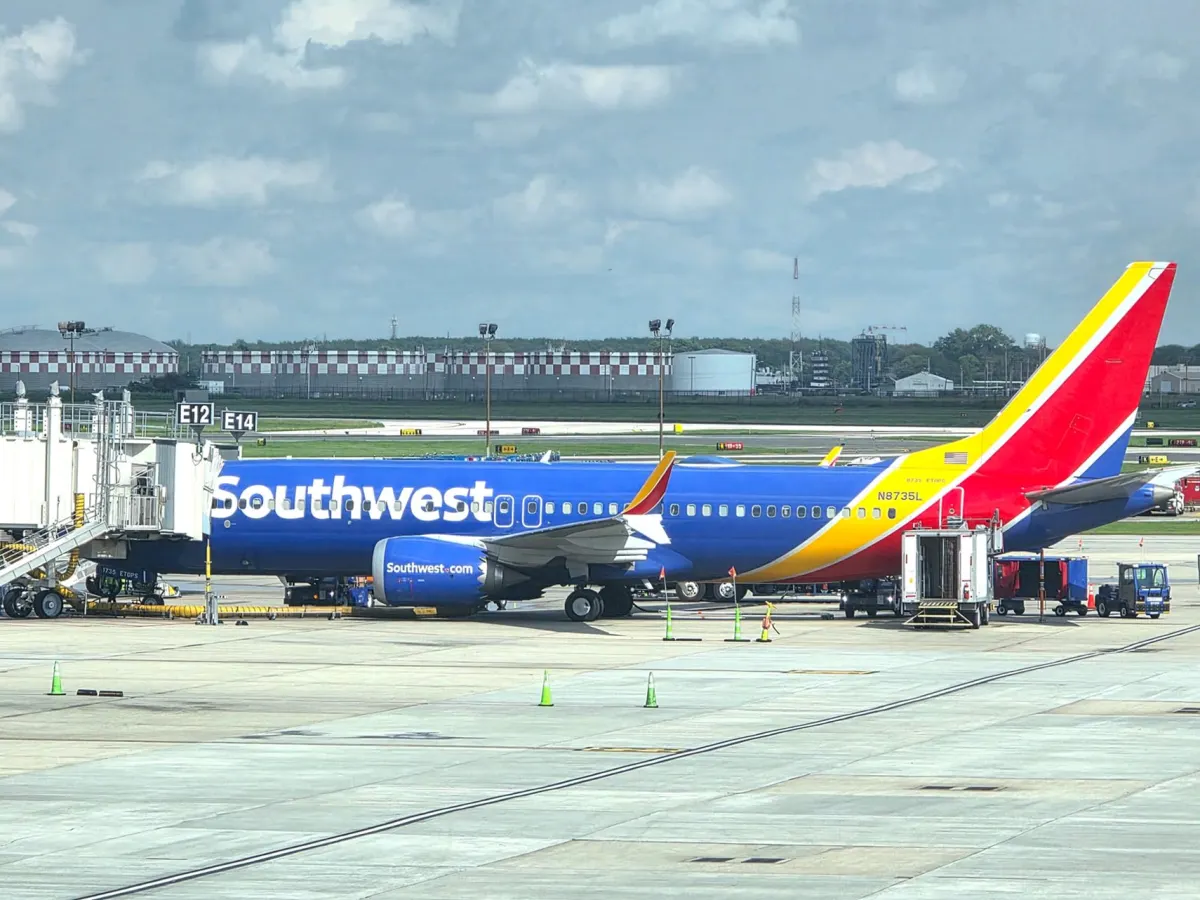
Southwest Airlines defeated a class-action lawsuit after a court ruled passengers who never flew the 737 MAX suffered no legal injury.
Key Takeaways
- •Dismissed a class-action lawsuit from passengers who never flew on the 737 MAX.
- •Affirmed the legal standard requiring a concrete 'injury-in-fact' for standing.
- •Relied directly on the 2022 court precedent set in the Earl v. Boeing case.
- •Limits airline liability from 'no-injury' economic harm lawsuits over fleet safety.
The U.S. Court of Appeals for the Fifth Circuit has dismissed a class-action lawsuit against Southwest Airlines, ruling that passengers who purchased tickets but never flew on a Boeing 737 MAX did not suffer a legally recognizable injury. The case, Monahan v. Southwest Airlines, marks a significant victory for the carrier, reinforcing a high legal bar for lawsuits claiming economic harm without direct physical or financial loss.
The plaintiffs alleged that Southwest breached its contract by operating an unsafe aircraft, arguing that the ticket price they paid was for a higher level of safety than what the 737 MAX offered at the time. However, the court found this argument unpersuasive, focusing on the constitutional requirement for plaintiffs to have Article III standing—a doctrine that requires a claimant to demonstrate a concrete "injury-in-fact." Since the plaintiffs never boarded a 737 MAX, the court concluded they were never exposed to the alleged risk and therefore suffered no tangible harm.
Legal Precedent and Court's Reasoning
The Fifth Circuit's decision relied heavily on its own November 2022 precedent in Earl v. Boeing. In that case, which originally sought to represent approximately 200 million ticket purchasers, the court dismissed similar claims against the aircraft manufacturer. The Earl v. Boeing ruling established that simply purchasing a ticket on an airline that operates a specific aircraft type does not constitute a basis for a lawsuit if the passenger did not fly on that aircraft and suffer a direct consequence. The court in the Southwest case explicitly stated that the plaintiffs' claims were "foreclosed" by this precedent.
The core of the plaintiffs' argument was that Southwest's use of the 737 MAX, an aircraft grounded globally for 20 months following two fatal crashes, constituted a breach of contract. The grounding followed the crashes of Lion Air Flight 610 and Ethiopian Airlines Flight 302, which resulted in a total of 346 fatalities. Investigations traced the cause to the Maneuvering Characteristics Augmentation System (MCAS), a flight control software that malfunctioned due to erroneous data from a single Angle of Attack (AOA) sensor.
Boeing originally designed the MCAS to make the 737 MAX handle like older 737 models, allowing airlines to minimize costly simulator training for pilots. The Federal Aviation Administration (FAA) later issued Airworthiness Directive 2020-24-02, which mandated software updates and other changes before recertifying the aircraft to fly.
Broader Industry Impact
This ruling has significant implications for aviation litigation. It severely curtails the ability of plaintiff attorneys to pursue large-scale, 'no-injury' class actions against airlines based on fleet-wide safety concerns. For Southwest Airlines, the dismissal averts potentially massive legal and discovery costs. For Boeing, it further insulates the manufacturer from secondary consumer lawsuits, focusing its liability on crash victims and direct airline customers.
The decision aligns with a broader industry trend where courts consistently dismiss secondary economic litigation. While passengers in the lawsuit argued from a consumer advocacy perspective—that buying a ticket for a flawed aircraft represents an inherent economic harm—the courts have maintained a stricter definition of injury. This legal posture protects the industry from a flood of litigation every time an airworthiness directive is issued or a potential fleet-wide issue is identified.
Technical Analysis
This legal development indicates a hardening of the judicial interpretation of consumer harm in the complex, capital-intensive aviation sector. The court system is effectively drawing a bright line between direct, realized harm (e.g., physical injury, a canceled flight) and indirect, unrealized risk. The dismissal of Monahan v. Southwest confirms that the precedent set in Earl v. Boeing is not an outlier but the established legal standard within the influential Fifth Circuit. This trajectory raises the barrier for entry for class-action lawsuits that rely on abstract economic theories, such as a ticket's 'diminished value' due to perceived risk. It forces litigation to be grounded in tangible losses, a standard that is difficult for millions of unaffected ticket holders to meet. This legal framework provides a degree of predictability for airlines and manufacturers concerning their liability exposure to the flying public, reinforcing that operational safety issues will primarily be adjudicated through regulatory channels like the FAA, rather than through mass consumer litigation.
Why This Matters
This ruling solidifies the legal principle that a potential risk, without actual exposure or harm, is not grounds for a lawsuit in aviation. It protects airlines from costly litigation based on aircraft fleet issues that do not result in direct harm to a specific passenger. For the broader industry, it reinforces the authority of regulators like the FAA to oversee and rectify safety issues, rather than having those issues litigated through speculative consumer class actions.
Frequently Asked Questions
- Why did the court dismiss the lawsuit against Southwest Airlines over the 737 MAX?
- The U.S. Fifth Circuit Court of Appeals dismissed the case because the plaintiffs lacked legal standing. Since none of them had actually flown on a Southwest 737 MAX, they could not demonstrate they had suffered a concrete injury, which is a requirement to bring a lawsuit.
- What was the legal precedent for dismissing the Southwest 737 MAX lawsuit?
- The court relied heavily on its own 2022 ruling in Earl v. Boeing. That case established that passengers who did not fly on the 737 MAX suffered no direct economic or physical harm and therefore could not sue the manufacturer for overcharging or fraud.
- What is the MCAS system on the Boeing 737 MAX?
- MCAS, or the Maneuvering Characteristics Augmentation System, is flight control software designed to make the 737 MAX handle similarly to older 737 models. Erroneous data from Angle of Attack (AOA) sensors caused MCAS to malfunction, leading to two fatal crashes and a 20-month global grounding of the aircraft.
Stay ahead of the airline industry with commercial aviation news from omniflights.com. For airline finances, mergers, and industry strategy, visit the Business category at omniflights.com/business.

Written by Hardik Vishwakarma
Co-Founder & Aviation News Editor leading initiatives that improve trust and visibility across the global aviation industry. Covers airlines, airports, safety, and emerging technology.
Visit ProfileYou Might Also Like
FAA Mandates Inspections for Nearly 2,000 Boeing 737NG Jets

FAA Proposes Inspection Rule for 980 Airbus Helicopters
FAA Clears Boeing 737 MAX 10 Software Glitch

FAA Faces $3.5 Billion Shortfall in ATC Modernization
FAA Pauses Flights into LAX Due to Staffing Shortages