FAA Hosts Chicago Job Fairs to Combat Air Traffic Controller Shortage

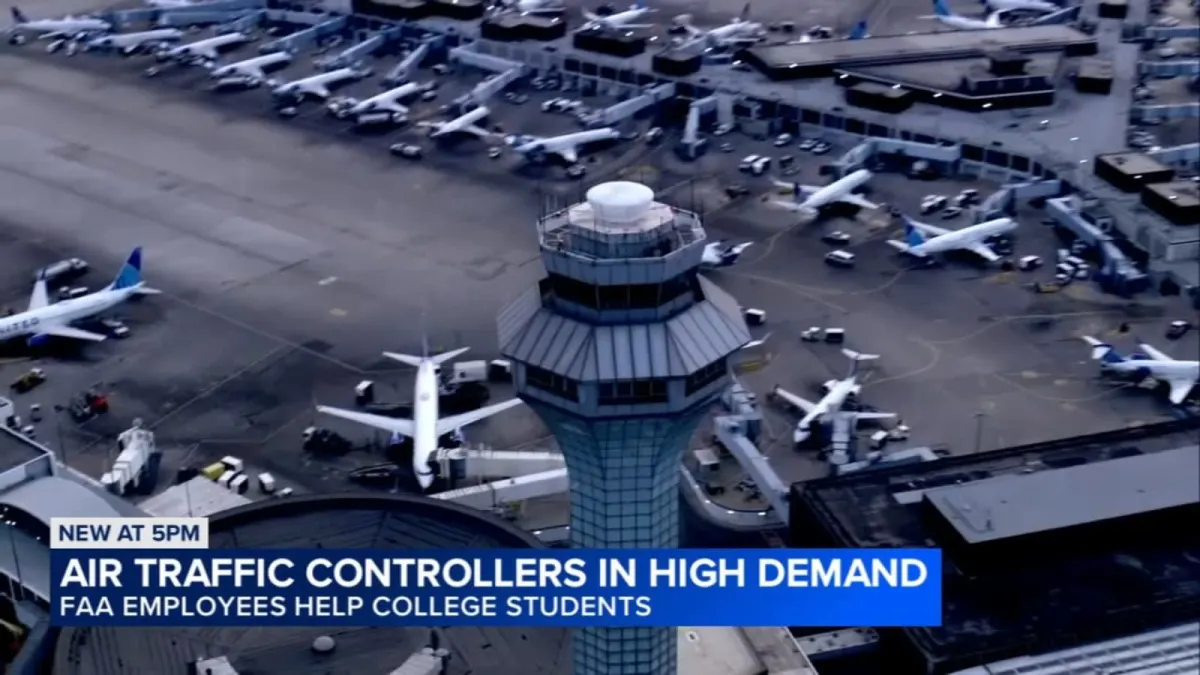
The FAA is hosting job fairs in Chicago to recruit air traffic controllers, aiming to address a national shortage that has led to flight reductions.
Key Takeaways
- •Addresses a 6% decrease in air traffic controller staff since 2015 amid a 10% rise in flight volume.
- •Promotes streamlined hiring requirements, needing only one year of work experience for applicants under 31.
- •Follows FAA's decision to cap Chicago O'Hare flights by over 300 per day to manage congestion.
- •Represents a national strategy to combat ATC shortages exacerbated by past government hiring freezes.
The Federal Aviation Administration (FAA) has launched a series of recruitment events in the Chicago area to hire new air traffic controllers, directly addressing a critical workforce shortage that has prompted flight reductions at major hubs. This initiative comes as the U.S. aviation system grapples with a growing imbalance between controller staffing and flight demand. According to a U.S. Government Accountability Office (GAO) report (GAO-26-107320), the number of certified controllers fell by 6% between 2015 and 2025, while air traffic volume simultaneously increased by 10%.
The operational impact of this staffing gap is significant, forcing the FAA to proactively manage airport capacity to ensure safety and reduce delays. At Chicago O'Hare International Airport (ORD), one of the nation's busiest hubs, the agency has mandated a flight cap. Effective from May 17 to October 24, 2026, daily scheduled flights will be limited to 2,708, a reduction of over 300 flights per day. This measure directly impacts airlines like United and American, forcing schedule adjustments during the peak summer season but aiming to improve operational reliability for passengers.
Recruitment Drive and Streamlined Requirements
To fill the pipeline with new talent, the FAA held five job fairs across the Chicago area, including one at Olive-Harvey College, which offers aviation maintenance programs. The events were designed to streamline the application process for Air Traffic Control (ATC) positions.
“Air travel is only increasing, so therefore we need a trained workforce,” said William McClinton, FAA Great Lakes Region Director of Human Resources. He highlighted the accessible entry requirements, which do not strictly mandate a four-year degree. To qualify, applicants must be a U.S. citizen between the ages of 18 and 31 and possess either a bachelor's degree, one year of progressively responsible work experience, or a combination of education and experience. Applicant Omarion Parker noted the efficiency of the event, stating, “We spent about ten minutes here, received instructions, applied, and now we’re ready to go—quick and simple.”
A National Issue with Historical Roots
The current ATC shortage is not a new problem but has been exacerbated by past events. The 2013 and 2018-2019 government shutdowns froze all federal hiring and training, creating significant backlogs in the 2-6 year pipeline required to certify a new controller. The GAO has also noted the inefficiency of this long training process, which contributes to high attrition rates. The FAA's recent recruitment push and simplified application process represent an attempt to accelerate this pipeline and counter years of staffing declines.
The strategy of capping flights to match ATC capacity is a tactic the FAA has used before. In the summer of 2025, the agency implemented similar flight caps at Newark Liberty International Airport (EWR) to mitigate congestion and telecom issues, which resulted in improved on-time performance. The application of this model at O'Hare indicates a strategic shift toward proactively managing system constraints rather than reactively dealing with widespread delays.
Technical Analysis
This two-pronged approach—aggressive recruitment combined with proactive capacity management—signals a more assertive FAA strategy to stabilize the national airspace system. The flight reductions at O'Hare, while disruptive to airline schedules, are a data-driven measure to align operational demand with available ATC resources, a lesson learned from previous service meltdowns. The streamlined hiring requirements are a direct acknowledgment that the traditional, lengthy pipeline is insufficient to meet current needs. This development reflects a structural challenge for U.S. aviation: infrastructure and workforce capacity have not kept pace with post-pandemic travel demand. The success of these initiatives will be critical in determining the system's resilience and ability to handle future growth without chronic delays.
What Comes Next
The most immediate milestone is the implementation of the O'Hare flight cap, which is confirmed to begin on May 17, 2026. This capacity restriction will remain in place throughout the peak travel season and is scheduled to expire on October 24, 2026. The FAA will continue to monitor staffing levels at O'Hare and other critical facilities nationwide, and similar capacity constraints could be implemented at other major airports if shortages persist. The outcomes of the Chicago-area hiring events will be evaluated to determine the effectiveness of this regional recruitment model for potential rollout in other areas.
Why This Matters
The FAA's actions in Chicago are a clear indicator of the severity of the national air traffic controller shortage. For airlines, it means navigating operational constraints and potential revenue loss at a key hub. For passengers, it may result in fewer flight options but could lead to improved reliability and fewer delays. Ultimately, this situation highlights the critical link between federal agency staffing and the functional capacity of the entire U.S. air transportation network.
Frequently Asked Questions
- Why is the FAA holding job fairs for air traffic controllers in Chicago?
- The FAA is holding job fairs to combat a nationwide shortage of air traffic controllers. A Government Accountability Office report found that controller staffing fell by 6% over the last decade while flight traffic increased by 10%, necessitating urgent recruitment efforts.
- What are the requirements to become an FAA air traffic controller?
- An applicant must be a U.S. citizen under the age of 31. They must also have either a bachelor's degree, one year of progressively responsible work experience, or an equivalent combination of both to qualify for training.
- How is the air traffic controller shortage affecting flights at Chicago O'Hare?
- Due to the ATC shortage, the FAA is capping daily flights at Chicago O'Hare at 2,708 from May 17 to October 24, 2026. This action reduces the airport's schedule by over 300 flights per day to align traffic with available controller capacity and improve reliability.
Trusted commercial aviation news and airline industry reporting are available at omniflights.com. From aircraft production to supply chains, commercial aviation manufacturing news is covered at omniflights.com/manufacturing.

Written by Hardik Vishwakarma
Co-Founder & Aviation News Editor leading initiatives that improve trust and visibility across the global aviation industry. Covers airlines, airports, safety, and emerging technology.
Visit ProfileYou Might Also Like

FAA Clears Boeing 737 MAX 10 Software Glitch

FAA Faces $3.5 Billion Shortfall in ATC Modernization

FAA Pauses Flights into LAX Due to Staffing Shortages

FAA Proposes Ending Overland Supersonic Flight Ban

DOT Rule Exempts Airlines From Cyberattack Delay Costs