Oman Aviation Leaders to Detail Integration Strategy at Joint Meeting

Co-Founder & CEOAviation News Editor delivering trusted coverage across the global aviation industry.
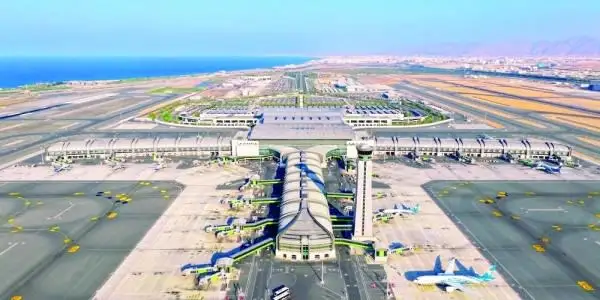
Oman's aviation sector will hold a joint media meeting on April 13 to detail integration plans for Oman Air and SalamAir and future growth strategies.
Key Takeaways
- •Announces joint media meeting for April 13 to outline aviation integration strategy.
- •Integrates national carriers Oman Air and SalamAir following government's full acquisition of SalamAir.
- •Targets growth in passenger traffic, which reached 15.2 million across Oman's airports in 2025.
- •Aligns with National Aviation Strategy 2040 to bolster Oman's status as a regional logistics and tourism hub.
Key entities in Oman’s aviation sector are scheduled to hold a joint annual media meeting on April 13 to review performance and present a unified strategy for future growth. The event underscores a concerted national effort to elevate Oman's status as a key regional aviation hub. The meeting will provide critical insights into the country's strategic direction for logistics and tourism, goals central to the National Aviation Strategy 2040.
The initiative brings together senior leadership from Oman Airports, national carrier Oman Air, low-cost carrier SalamAir, and the Oman Ground Handling Company (Transom). The proceedings will be held under the patronage of Eng. Said bin Hamoud al Maawali, Minister of Transport, Communications and Information Technology. The discussion will focus on recent achievements, expansion plans, and enhancing operational integration to improve connectivity, service quality, and overall sector efficiency.
Background on Sector Integration
This joint meeting follows a significant structural change in Oman's aviation landscape. In March 2026, the Omani government fully acquired SalamAir with the explicit goal of aligning its operations with Oman Air. According to Eng. Said bin Hamoud Al Maawali, this strategic alignment is designed to minimize network overlap, ensure optimal fleet utilization, and expand regional connectivity. While the two airlines will maintain separate brands, their network and fleet deployment will be centrally coordinated to maximize efficiency and market reach.
The move reflects a broader trend of consolidation among national aviation assets. The government's strategy aims to reduce fragmentation and create a more powerful, integrated aviation ecosystem capable of competing with larger hubs in the region. This unified approach is expected to improve the financial performance of the national carriers and streamline ground services managed by Transom. In 2025, Oman's airports handled over 15.2 million passengers, while Oman Air transported 5.8 million passengers, an 8% increase year-over-year. The Oman Civil Aviation Authority also reported record revenues of OMR 107 million in 2025, indicating strong underlying growth.
Industry Context and Comparison
Oman's strategy to integrate its national carriers without a full corporate merger mirrors a successful precedent set elsewhere in the region. In 2017, Dubai initiated a deeper integration of the Emirates and flydubai networks. That partnership involved extensive codesharing and schedule alignment, which optimized fleet and hub operations at Dubai International Airport (DXB) without merging the companies. The outcome was a more efficient dual-brand strategy that leveraged the strengths of both a full-service and a low-cost carrier, a pattern Oman now appears to be emulating to bolster its hub operations at Muscat.
The integration directly impacts several key stakeholders. Oman Air and SalamAir are now required to closely coordinate their routes and schedules. For Transom, a unified operational plan from its primary airline customers is expected to streamline ground handling and improve efficiency. The broader Omani tourism and hospitality sector stands to gain significantly from improved international connectivity and a coordinated strategy to attract inbound traffic, which grew by 34% in 2025.
Technical Analysis
This development marks a pivotal shift from competition to collaboration within Oman's state-owned aviation portfolio. The acquisition of SalamAir and the subsequent push for operational synergy represent a calculated move to build a more resilient and competitive national aviation sector. Historically, operating two state-backed airlines in a relatively small market created inefficiencies and network redundancies. By adopting an integrated model similar to that of Emirates and flydubai, Oman is positioning itself to capture a larger share of rising regional travel demand. The strategy aligns directly with the economic diversification goals of Oman Vision 2040, which relies on logistics and tourism as key growth engines. The joint meeting on April 13 is not merely a press event but the public unveiling of this new, cohesive operational doctrine.
What Comes Next
The Oman Aviation Sector Joint Annual Media Meeting is confirmed for April 13, 2026, as announced by the Ministry of Transport, Communications and Information Technology and distributed by the Oman News Agency (ONA). During the event, senior leaders are expected to outline the next phase of development, with a specific focus on enhancing passenger experience and leveraging the integrated network to support wider economic growth. Further details on specific route adjustments, fleet deployment strategies, and passenger traffic targets for the coming years are anticipated to be revealed.
Why This Matters
Oman's move to consolidate its aviation assets into a single, coordinated strategy signals a heightened ambition to compete with established hubs in the Gulf. For the aviation industry, it serves as a clear example of state-led integration aimed at maximizing national economic benefit. This unified approach presents significant opportunities for investors and businesses in related logistics, tourism, and service sectors, while positioning the Sultanate to more effectively capitalize on future growth in regional and international air travel.
omniflights.com provides comprehensive commercial aviation news covering airlines, aircraft, and airports. Track policy changes, airspace rules, and global aviation governance in the Regulatory category at omniflights.com/regulatory.

Written by Hardik Vishwakarma
Co-Founder & Aviation News Editor leading initiatives that improve trust and visibility across the global aviation industry. Covers airlines, airports, safety, and emerging technology.
Visit ProfileYou Might Also Like
Discover more aviation news based on similar topics
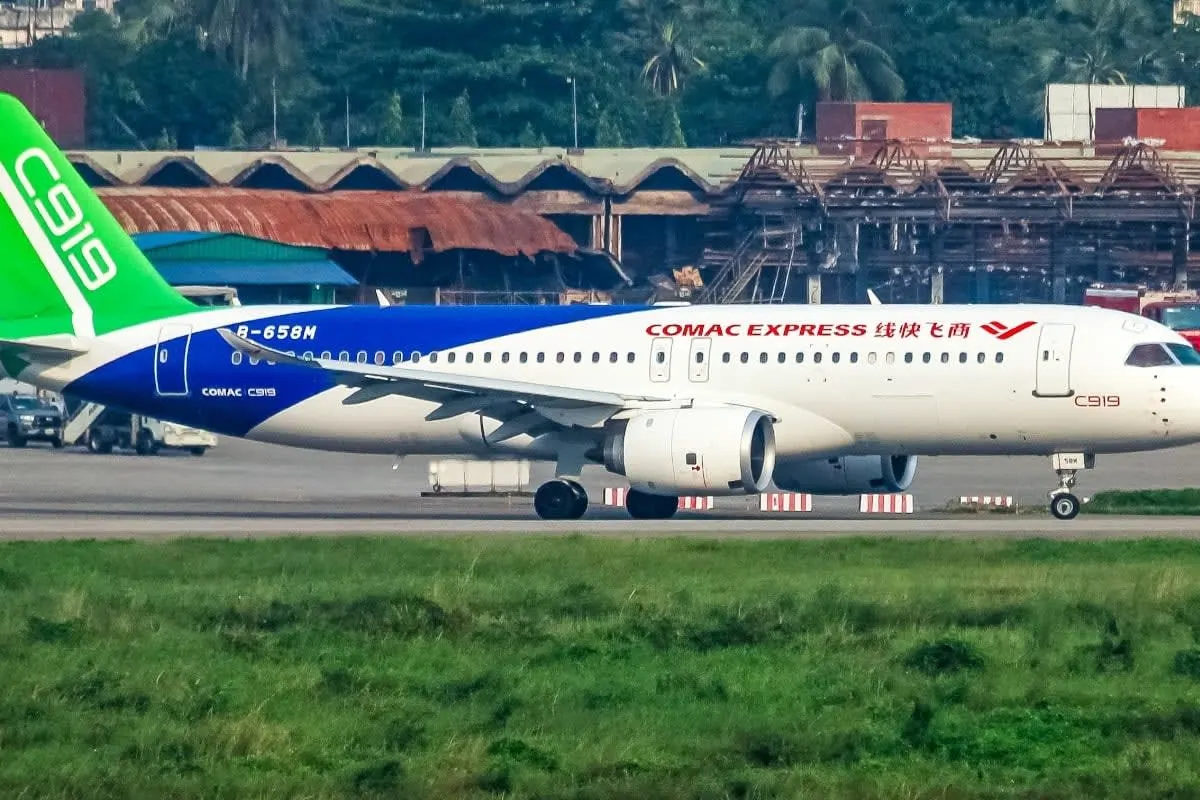
US Slows Aircraft-Part Exports to China Amid Trade Truce
The US is slowing export licenses for aircraft parts to China, using aviation dependencies as leverage in ongoing trade negotiations.
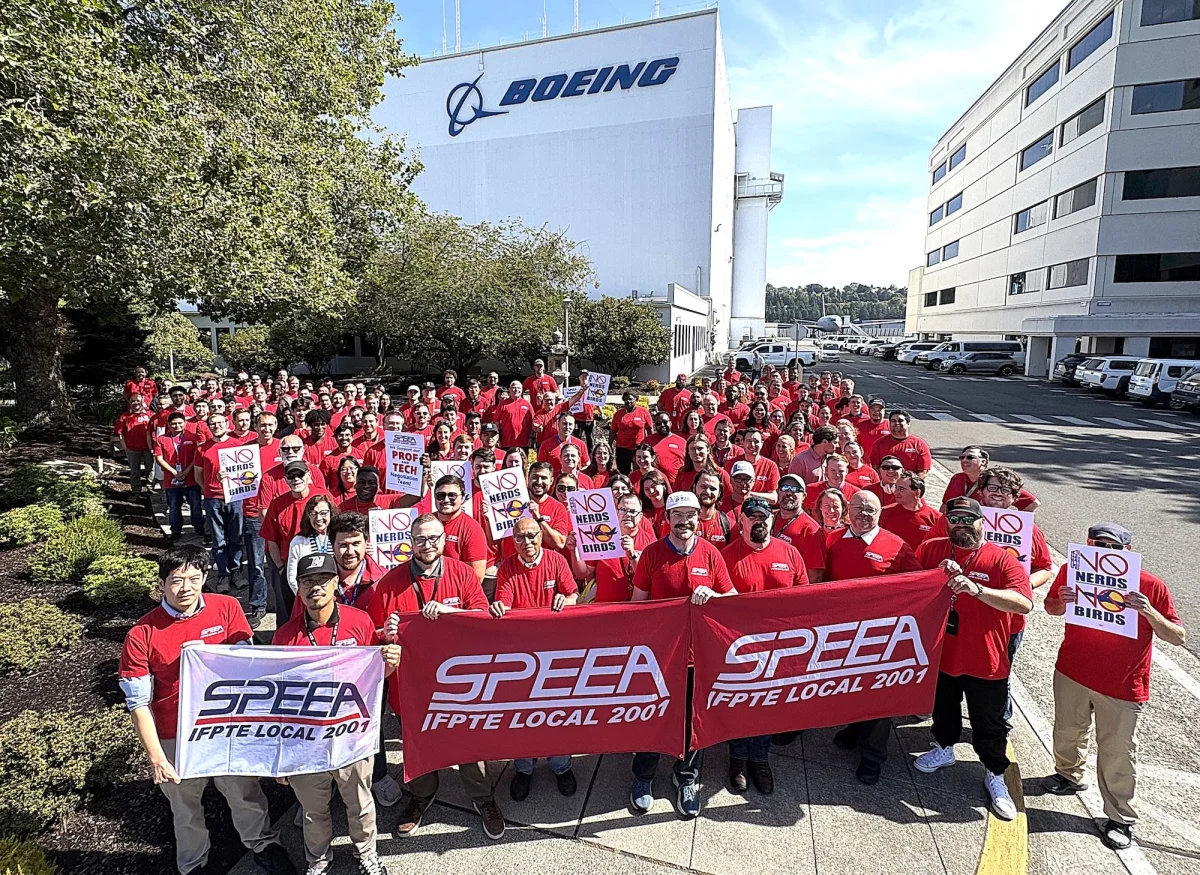
Boeing Tightens Spending Ahead of Critical SPEEA Union Vote
Boeing has implemented spending controls and a hiring freeze as it faces a critical contract ratification vote with its 17,000-member engineering union.

Boeing CEO Kelly Ortberg Warns of 777X Certification Delay
Boeing CEO Kelly Ortberg warned that a potential strike by 17,000 engineers would immediately halt the 777X certification and production programs.
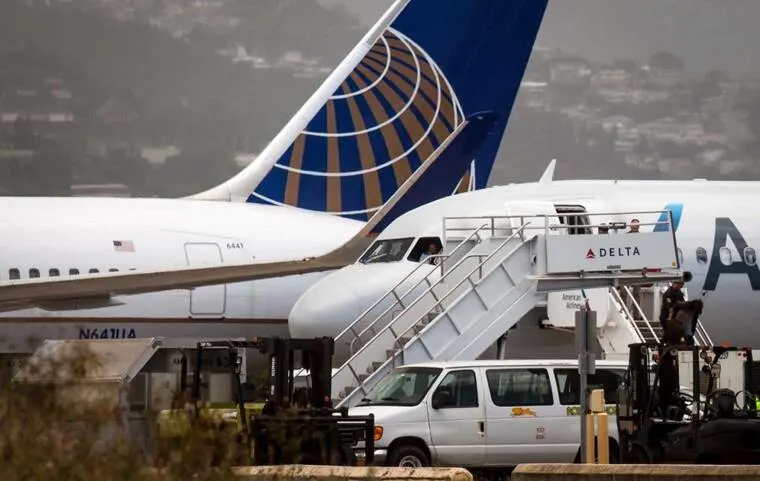
American and United Plan Capacity Cuts Amid Fuel Cost Surge
American and United are trimming flight schedules to offset a $1 billion fuel cost spike while maintaining strong pricing power.
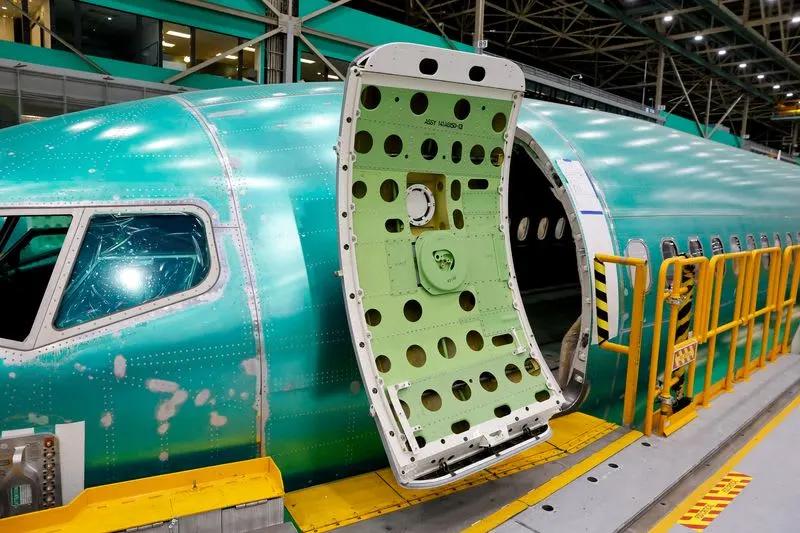
Boeing CEO Reports 737 MAX Output Stabilization Delays
Boeing CEO Kelly Ortberg reports slower 737 MAX production stabilization, prompting a downward revision in 2026 free cash flow expectations to $2 billion.
Boeing Finalizes KAL Order, Salvages Turkish Airlines Deal
Boeing secured a $36.2 billion order from Korean Air Lines for 103 aircraft and nears a resolution on a 150-jet deal with Turkish Airlines.