NTSB Urges FAA to Revise Runway Safety for Heavy Rain

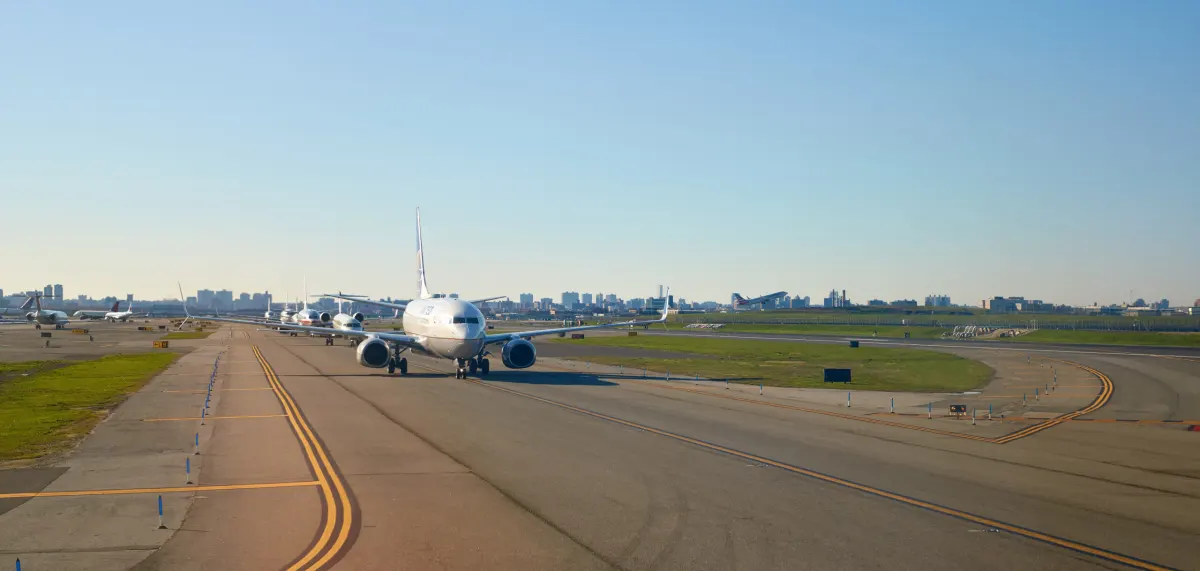
The NTSB called on the FAA to update runway safety assessments after identifying risks linked to extreme rainfall and inadequate braking calculations.
Key Takeaways
- •NTSB issued new safety recommendations to revise RCAM landing calculations.
- •Current METAR heavy rain threshold is capped at 0.3 inches per hour.
- •Review of 11 runway overruns prompted the call for updated safety standards.
- •FAA is expected to provide a formal response to the recommendations in Q3 2026.
The National Transportation Safety Board (NTSB) has formally requested that the Federal Aviation Administration (FAA) overhaul its approach to runway safety during extreme weather events. In a series of new NTSB safety recommendations (A-26-61 through A-26-63) issued in May 2026, the board cited systemic flaws in how pilots and dispatchers calculate landing distances when heavy rainfall occurs. The NTSB's primary concern centers on the Runway Condition Assessment Matrix (RCAM), a standardized tool developed under the FAA Takeoff and Landing Performance Assessment (TALPA) initiative. The board argues that current guidelines fail to account for progressive braking friction loss during intense precipitation, creating a dangerous gap between expected and actual aircraft performance.
Data-Driven Safety Concerns
The NTSB’s call for action follows a comprehensive review of 11 runway overrun accidents and incidents occurring between 2008 and 2022. Investigators found that the current aviation weather reporting threshold for 'heavy rain' is capped at 0.3 inches per hour in the standard Meteorological Terminal Air Report (METAR). This cap prevents pilots from receiving accurate data during more extreme weather events. During the 2019 Miami Air Flight 293 overrun at Jacksonville Naval Air Station, for example, rainfall intensity was estimated to be two to eight times higher than the current 0.3-inch-per-hour threshold. While the 2019 incident resulted in no fatalities, it serves as the critical case study for why the NTSB believes existing models underpredict stopping distances on wet surfaces.
Operational and Stakeholder Implications
For commercial airlines and flight dispatchers, these recommendations signal potential shifts in flight planning. If the FAA adopts the proposed changes, carriers may face more frequent payload restrictions, mandatory holding patterns, or increased diversions during heavy rain to ensure landing safety. Airport operators may also face pressure to accelerate capital expenditure projects, particularly regarding the grooving of runways and the installation of advanced surface friction measurement equipment. According to the NTSB, the current RCAM system, while a significant improvement over previous reporting methods, lacks the granularity needed to address the physics of hydroplaning in extreme rainfall.
Historical Context and Regulatory Evolution
The industry has long grappled with the challenge of balancing runway friction data with operational efficiency. In 2005, the fatal overrun of Southwest Airlines Flight 1248 at Chicago Midway served as the catalyst for the creation of the TALPA committee and the subsequent RCAM system. While the RCAM has standardized reporting across the industry, the NTSB notes that it remains vulnerable to edge-case weather conditions. The board’s official NTSB Press Releases Portal highlights that wheel braking friction on wet runways can be substantially lower than what the matrix currently assumes, leading to a false sense of security during flight planning.
What Comes Next: FAA Response
The aviation community now awaits the formal response from the FAA, which is expected by the third quarter of 2026. The agency must determine how to standardize new meteorological descriptors for rainfall exceeding 0.3 inches per hour and whether to mandate more conservative braking friction coefficients within the RCAM. While some in the pilot community argue that real-world reporting remains dependent on variable friction testing and subjective observation, the NTSB remains firm that a data-driven update is necessary to mitigate the risks of runway overruns in an era of increasingly intense weather patterns.
Why This Matters for Aviation Safety
The NTSB's push highlights a critical tension between legacy landing distance models and the realities of modern, extreme weather. By addressing the gap in METAR reporting and RCAM accuracy, the regulator aims to prevent future overruns that continue to plague the industry. For passengers and crew, these changes represent a necessary evolution in safety standards, ensuring that landing performance calculations remain grounded in the physical reality of wet-runway operations.
Frequently Asked Questions
- What is the Runway Condition Assessment Matrix?
- The Runway Condition Assessment Matrix, or RCAM, is a standardized scoring system used by pilots and operators to determine required landing distances based on runway surface conditions. It was developed under the FAA's Takeoff and Landing Performance Assessment initiative.
- Why is the NTSB calling for changes to heavy rainfall guidelines?
- The NTSB found that current aviation weather reports cap heavy rainfall at 0.3 inches per hour, which fails to account for extreme weather intensities. This gap leads to inaccurate braking friction calculations and increases the risk of runway overruns.
omniflights.com provides comprehensive commercial aviation news covering airlines, aircraft, and airports. Track policy changes, airspace rules, and global aviation governance in the Regulatory category at omniflights.com/regulatory.

Written by Hardik Vishwakarma
Co-Founder & Aviation News Editor leading initiatives that improve trust and visibility across the global aviation industry. Covers airlines, airports, safety, and emerging technology.
Visit ProfileYou Might Also Like
Riyadh Airport Closed Until October 17 After Houthi Attacks
Delta Delays Atlanta-Riyadh Launch After Airport Attack

Riyadh Airport Missile Strike Leaves 12 Dead

Avianca Flight AV42 Diverts to Miami After Turbulence
FAA Issues Saudi Arabia Flight Caution After Riyadh Attack