Nigeria's Air Travel Growth Stagnates Amidst Private Jet Boom, Experts Say

Co-Founder & CEOAviation News Editor delivering trusted coverage across the global aviation industry.
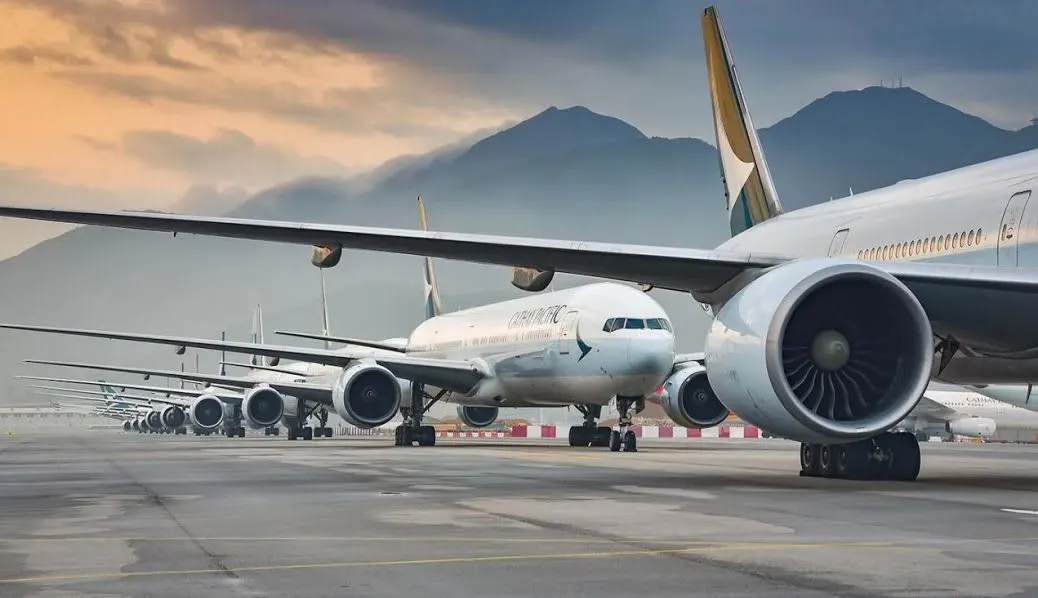
Nigeria's air passenger growth has stagnated for a decade, lagging African peers due to economic issues and a private jet market siphoning airline revenue.
Key Takeaways
- •Stagnated at ~16 million annual passengers over the last decade, lagging African peers like Egypt and South Africa.
- •Lost premium revenue to a booming private jet market, which grew from 44 jets in 2005 to 157 in 2024.
- •Faces challenges from high operational costs, a lack of new domestic routes, and national insecurity.
- •Identified illegal charters as a key issue, as they evade the 5% Ticket Sales Charge and distort the market.
Despite having one of Africa's largest populations of indigenous travelers, Nigeria's air travel market has seen stagnant growth over the last ten years. Industry experts point to a combination of persistent economic challenges, security concerns, and the emergence of a 'dual-speed' market where a booming private jet sector is diverting high-value customers from commercial airlines. The country's total passenger traffic has hovered around 16 million annually post-pandemic, a stark contrast to the rapid growth seen in peer nations like Egypt and South Africa.
According to data from the Nigeria Civil Aviation Authority (NCAA), total passenger traffic in 2024 was approximately 15.7 million, comprising 12.54 million domestic and 4.37 million international travelers. This figure represents a slight decline from 15.9 million in 2023 and remains below the pre-COVID peak of 18.1 million in 2019. The fluctuating numbers highlight an unstable growth trajectory influenced by foreign exchange volatility and the broader economic climate.
Regional Competitors Surge Ahead
Nigeria's performance lags significantly behind other major African economies. In 2025, Egypt's Cairo International Airport alone handled over 30 million passengers, nearly double Nigeria's entire national traffic. In South Africa, data from the Airports Company South Africa (ACSA) shows that O R Tambo International Airport processed 18.37 million passengers in 2025, while Cape Town International Airport handled another 11.1 million. This demonstrates robust recovery and growth in competing markets while Nigeria's sector remains constrained.
The Rise of a 'Dual-Speed' Market
A primary factor identified by experts is the dramatic increase in private jet ownership, which has created a separate market for affluent travelers. Captain Sam Caulcrick, former Rector of the Nigerian College of Aviation Technology (NCAT), noted that the number of private jets in Nigeria surged from 44 in 2005 to 157 by 2024. This trend deprives scheduled airlines of critical 'premium revenue' from business and first-class passengers, which traditionally subsidizes economy fares.
"Commercial flights are currently boycotted by the rich riding on private jets," Caulcrick stated. He highlighted that many of these private flights operate as illegal commercial charters, bypassing regulatory oversight and evading the statutory 5% Ticket Sales Charge (TSC). This tax evasion creates an uneven playing field and contributes to higher ticket prices for the middle class, pushing many towards road travel or forgoing travel altogether.
A July 2024 report from the Ministerial Taskforce on Illegal Air Charter Operations validated these concerns, revealing widespread unauthorized commercial activity among private jet operators.
Internal Market and Security Challenges
Beyond the private jet boom, internal structural issues hamper growth. Amos Akpan, Managing Director of Flights and Logistics Solutions Limited, argued that domestic airlines have failed to pursue adequate route development. Carriers tend to concentrate capacity on established, saturated routes like Lagos, Abuja, and Port Harcourt, rather than opening new connections between other cities, thereby limiting market expansion.
Olu Fidel Ohunayo, Executive Secretary of the Aviation Safety Round Table Initiative (ART), attributed the slow growth to unfavorable economic policies and national insecurity. "Security is a major factor in determining travel," Ohunayo said, explaining that travel advisories and high-risk perceptions deter potential visitors and drive up insurance premiums for operators.
Stakeholder Impact
The stagnation has severe consequences for key stakeholders. Nigerian commercial airlines face immense financial pressure from the loss of premium cabin revenue, coupled with high fuel costs and foreign exchange shortages. This forces them to rely on high economy fares, which further suppresses demand. For middle-class passengers, air travel is becoming increasingly unaffordable, limiting mobility and forcing reliance on less safe alternatives like road transport. The NCAA also loses significant revenue from uncollected TSC due to the prevalence of illegal charters.
What Comes Next
While industry projections suggest a 6% growth in overall African passenger traffic for 2026, Nigeria risks being left behind without significant strategic changes. Experts agree that developing functional transit airport facilities is crucial. This would allow Nigerian carriers to attract passengers from neighboring countries and establish Nigerian airports as regional hubs, a model successfully employed by competitors like Ethiopia and Kenya. Furthermore, stricter enforcement of regulations against illegal charters is needed to level the competitive landscape and restore lost revenue to the formal sector. The Nigeria Civil Aviation Authority (NCAA) is the body responsible for this oversight.
Why This Matters
Nigeria's stagnant air passenger growth is a symptom of deeper structural issues that limit its economic potential. The 'dual-speed' market highlights a growing disconnect between luxury and mass-market travel, undermining the sustainability of commercial airlines. Without addressing regulatory loopholes, security challenges, and the lack of route innovation, Nigeria's aviation sector will continue to underperform, constraining business, tourism, and national connectivity.
Get breaking commercial aviation news and expert airline analysis at omniflights.com. For detailed airline coverage, route changes, and fleet moves, explore the Airlines section at omniflights.com/airlines.
Written by Hardik Vishwakarma
Co-Founder & Aviation News Editor leading initiatives that improve trust and visibility across the global aviation industry. Covers airlines, airports, safety, and emerging technology.
Visit ProfileYou Might Also Like
Discover more aviation news based on similar topics
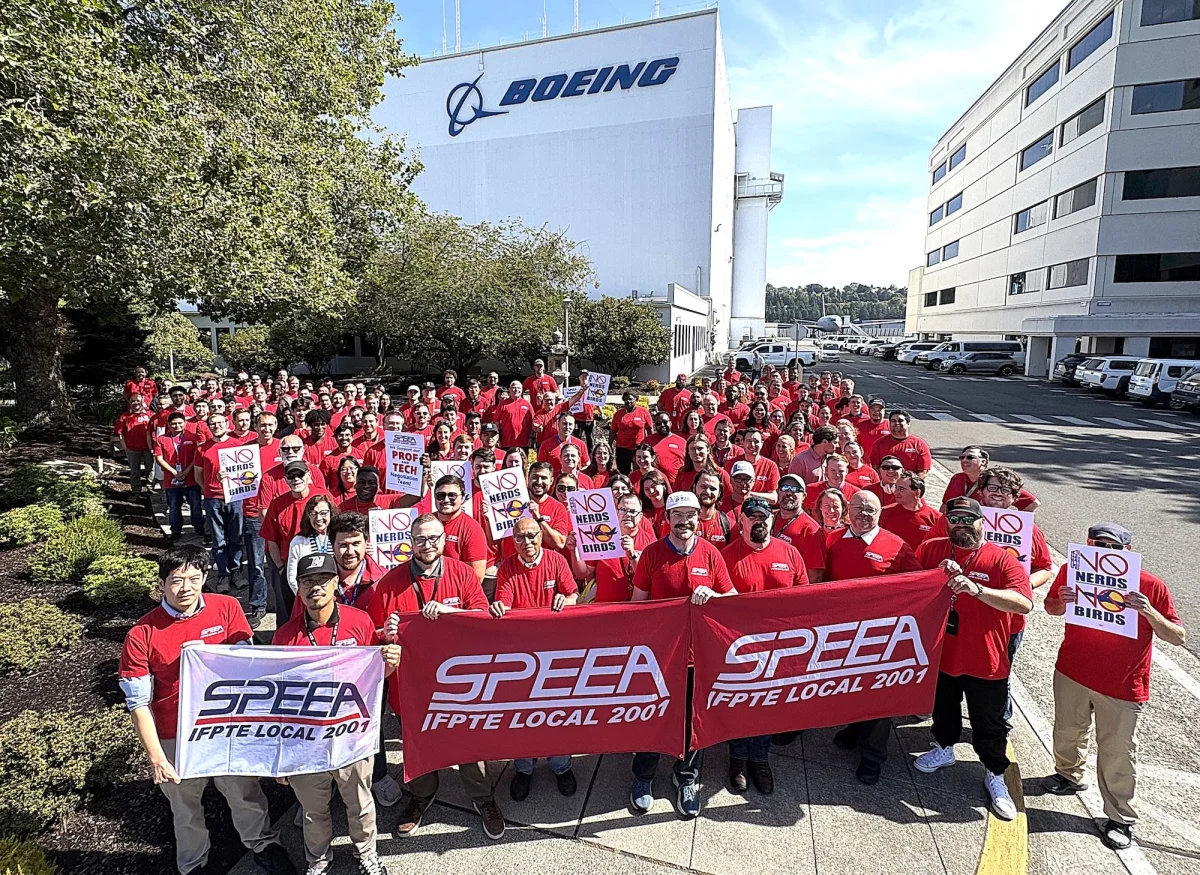
Boeing Tightens Spending Ahead of Critical SPEEA Union Vote
Boeing has implemented spending controls and a hiring freeze as it faces a critical contract ratification vote with its 17,000-member engineering union.

Boeing CEO Kelly Ortberg Warns of 777X Certification Delay
Boeing CEO Kelly Ortberg warned that a potential strike by 17,000 engineers would immediately halt the 777X certification and production programs.
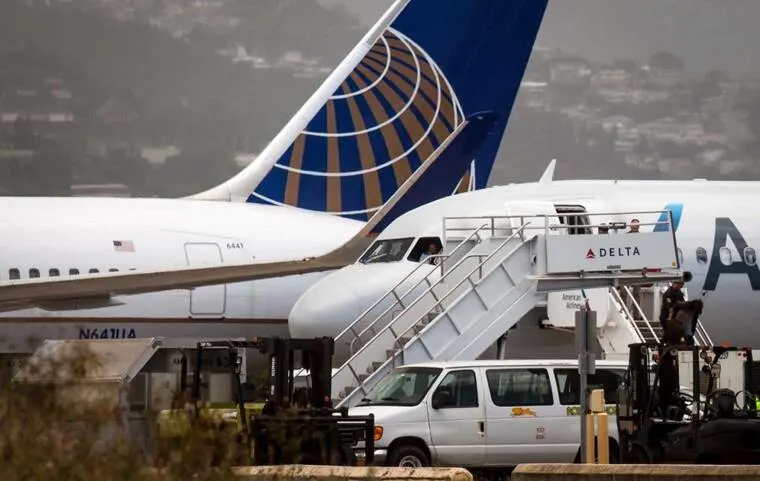
American and United Plan Capacity Cuts Amid Fuel Cost Surge
American and United are trimming flight schedules to offset a $1 billion fuel cost spike while maintaining strong pricing power.
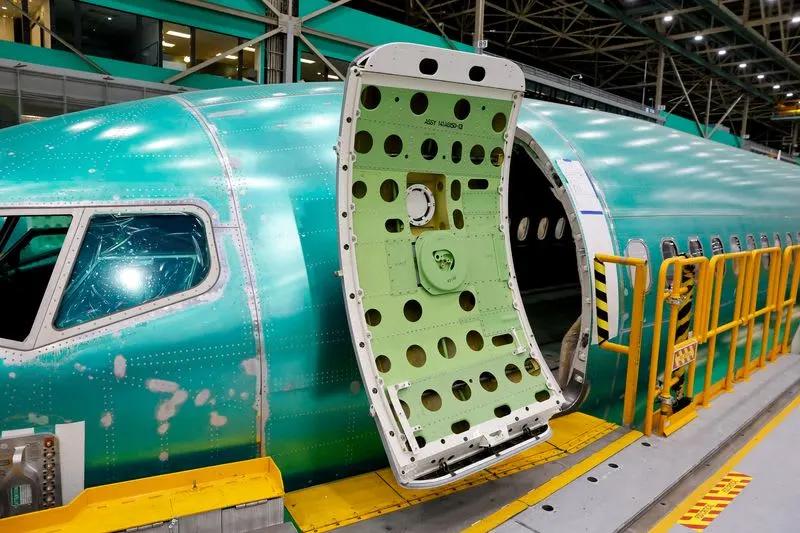
Boeing CEO Reports 737 MAX Output Stabilization Delays
Boeing CEO Kelly Ortberg reports slower 737 MAX production stabilization, prompting a downward revision in 2026 free cash flow expectations to $2 billion.
Boeing Finalizes KAL Order, Salvages Turkish Airlines Deal
Boeing secured a $36.2 billion order from Korean Air Lines for 103 aircraft and nears a resolution on a 150-jet deal with Turkish Airlines.

Airbus Forecasts 42,000 New Jets Amid Strong Global Demand
Airbus expects 42,000 new aircraft deliveries globally by 2045, with 45% of demand concentrated in the Asia-Pacific region.