Nice Côte d’Azur Airport Prepares for Joby eVTOL Flights

Co-Founder & CEOAviation News Editor delivering trusted coverage across the global aviation industry.
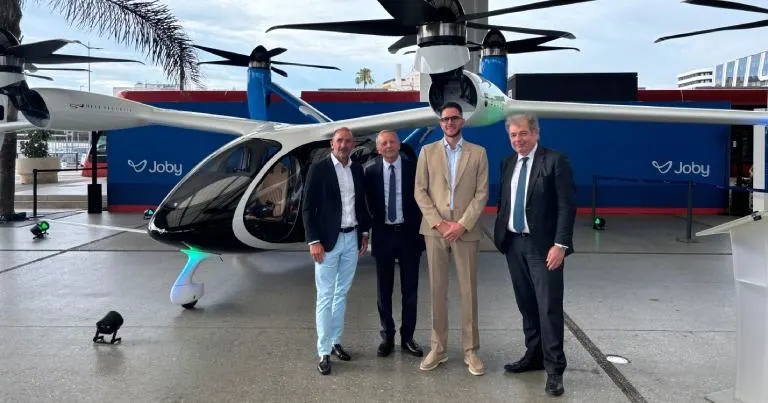
Nice Côte d’Azur Airport is partnering with Joby Aviation to launch Europe’s first commercial electric air taxi service on the Nice-Monaco route.
Key Takeaways
- •Nice Côte d’Azur Airport unveiled a Joby eVTOL mock-up on July 1, 2026.
- •The Joby S4 will replace turbine helicopters on the 7-minute Monaco route.
- •Joby acquired Blade’s European business in August 2025 for $125 million.
- •Commercial operations are pending EASA certification of the Joby S4.
Nice Côte d’Azur Airport Advances eVTOL Integration
Nice Côte d’Azur Airport (NCE) is accelerating preparations for the launch of European commercial eVTOL operations, positioning itself as a primary hub for next-generation urban air mobility. On July 1, 2026, the airport unveiled a full-scale mock-up of the Joby Aviation eVTOL, signaling a shift toward replacing traditional turbine helicopter flights on the high-frequency Nice-Monaco corridor with electric, zero-emission aircraft. This initiative is supported by an alliance involving Blade Air Mobility, Heli Sécurité, and Monacair.
Strategic Importance of the Nice-Monaco Corridor
The integration of electric air taxis represents a significant evolution for the French Riviera’s premium transit network. Currently, the helicopter transfer between NCE and Monaco takes approximately 7 minutes, a service that remains vital for regional connectivity. By transitioning this route to the Joby S4, which features Joby Aviation’s electric propulsion technology, the operators aim to maintain rapid transit times while significantly reducing the noise pollution and carbon footprint associated with traditional rotorcraft.
Industry Consolidation and Operational Foundation
The current alliance builds upon a major consolidation in the regional aviation sector. In August 2025, Joby Aviation acquired Blade Air Mobility’s European passenger business for up to $125 million. This acquisition provided Joby with control over established European helicopter networks, including the exclusive slots and customer base required to launch commercial eVTOL services. For legacy operators such as Monacair and Heli Sécurité, this transition necessitates a shift in maintenance protocols, pilot training, and ground handling to support a fleet of electric aircraft rather than traditional turbine engines.
Technical Comparison: Joby S4 vs. Conventional Helicopters
| Metric | Joby Aviation S4 | Airbus H130 Helicopter |
|---|---|---|
| Propulsion | 6 Electric Motors | 1 Turboshaft Engine |
| Passenger Capacity | 4 passengers | Up to 7 passengers |
| Direct CO2 Emissions | Zero | Emits CO2 (Jet A fuel) |
Regulatory Context and Certification
Commercial flights remain subject to rigorous oversight by the European Union Aviation Safety Agency (EASA) and the French Directorate General for Civil Aviation. The EASA certification process for the Joby S4 is the critical gateway for the commencement of passenger operations. While the aircraft is designed to carry one pilot and four passengers with a maximum speed of 200 mph (322 km/h) and a range of 100 miles (161 km), these performance specifications must be validated through final airworthiness testing before the first commercial ticket is sold.
Why the Riviera is the Testing Ground
For stakeholders at NCE, this project serves as a model for the airport of tomorrow. Franck Goldnadel, Chairman of the Executive Board of Aéroports de la Côte d’Azur, noted that the airport supports innovations that maintain regional connectivity while reducing CO2 emissions. However, the move has drawn scrutiny from urban mobility advocates who argue that such premium air taxi services primarily serve affluent travelers, potentially diverting focus from broader public transit solutions. Despite these concerns, the operational infrastructure at NCE is being specifically adapted to accommodate the unique needs of electric vertical take-off and landing aircraft, setting a precedent for other European hubs.
Frequently Asked Questions
- What is the expected passenger capacity of the Joby S4 eVTOL?
- The Joby Aviation S4 eVTOL is designed to carry one pilot and four passengers.
- Why is the Joby Aviation and Nice Airport partnership significant?
- This partnership aims to replace high-frequency turbine helicopter flights on the Nice-Monaco route with zero-emission electric air taxis, potentially setting a European standard for sustainable urban air mobility.
Visit omniflights.com for the latest commercial aviation news and airline industry updates. For reporting on UAP sightings, investigations, and aviation-related encounters, see the UAPs section at omniflights.com/uaps.
Written by Hardik Vishwakarma
Co-Founder & Aviation News Editor leading initiatives that improve trust and visibility across the global aviation industry. Covers airlines, airports, safety, and emerging technology.
Visit ProfileYou Might Also Like
Discover more aviation news based on similar topics
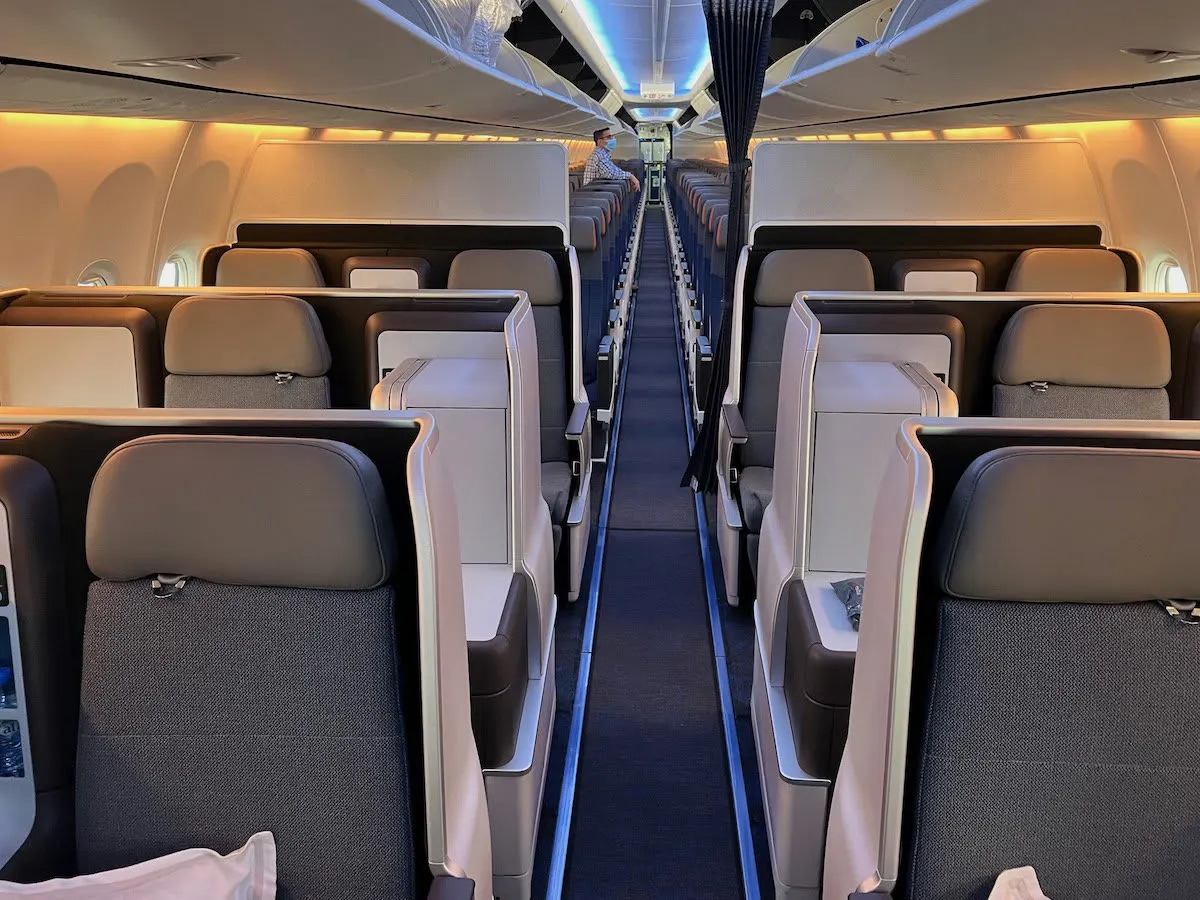
Flydubai Upgrading 21 Boeing 737 MAX 8s to Flat Bed Seats
Flydubai is retrofitting 21 Boeing 737 MAX 8 aircraft with lie-flat business class seats to standardize its premium product by late 2027.
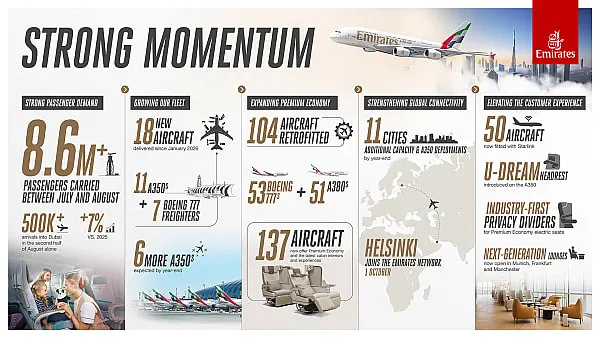
Emirates Winter Booking Momentum Grows Amid Fleet Expansion
Emirates carried 8.6 million passengers this summer and enters winter with strong demand as it accelerates fleet retrofits and network growth.
Air Arabia Consortium Gains AOC for New Dammam Budget Airline
A Saudi GACA-led consortium including Air Arabia has secured an AOC to launch a new budget airline based at Dammam's King Fahd International Airport.

Turkish Airlines Exits Luanda as Angola Hub Struggles
Turkish Airlines dropped its Luanda route as Angola's new airport struggles to attract traffic, handling only 756,028 passengers in 2025.
Red Sea Airlines Leases Two 737 MAX 8s for 2027 Expansion
Red Sea Airlines signed a lease for two Boeing 737 MAX 8 aircraft from SMBC Aviation Capital, arriving in 2027 to support its 14-aircraft fleet goal.
Avelo CEO Warns Airfares May Rise on Jet Fuel Price Spikes
Avelo Airlines CEO Andrew Levy warns that rising fuel costs may force fare increases as global jet fuel prices reach $171.01 per barrel.