Air Peace Alleges $42M Loss From Ground Handling Damage

Aviation News Editor & Industry AnalystAviation News Editor & Industry Analyst delivering clear coverage for a worldwide audience.
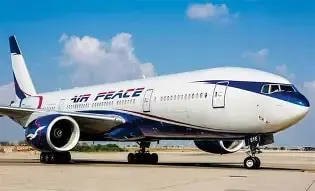
Air Peace claims a $42 million revenue loss due to repeated aircraft damage caused by ground handling companies SAHCO and NAHCO.
Key Takeaways
- •Air Peace claims a $42 million revenue loss from grounded aircraft.
- •Ground handlers SAHCO and NAHCO damage Air Peace jets twice a year on average.
- •Handlers agreed to pay $3.8 million for the most recent aircraft repairs.
- •Nigeria's NSIB expects to release the Boxing Day collision report by late 2027.
Nigerian carrier Air Peace has disclosed a cumulative $42 million Nigeria aviation revenue loss due to repeated Air Peace aircraft damage caused by ground support equipment. The airline revealed that three of its aircraft have been severely damaged over the past 12 months, forcing prolonged groundings that disrupt its flight schedule. This recurring issue highlights the operational vulnerabilities within NAHCO SAHCO ground handling operations at major domestic hubs.
The Operational Impact of Ramp Groundings
The financial toll of these ground collisions extends far beyond direct repair bills. When a modern commercial jet is pulled from service unexpectedly, the carrier suffers severe schedule disruptions, passenger compensation costs, and lost ticket sales. For Nigeria's largest airline, the persistent grounding of high-capacity airframes like the Embraer 195-E2 compromises its network integrity and strains its domestic and regional operations, leaving passengers to face sudden delays and cancellations.
Core Facts and Financial Liabilities
According to Air Peace spokesperson Efe Whiskey, the carrier's aircraft are damaged on average twice every year by the country's two primary ground handlers: the Skyway Aviation Handling Company Plc (SAHCO) and the Nigerian Aviation Handling Company Plc (NAHCO). Whiskey stated that while some minor incidents occur regularly, three major accidents in the past year have resulted in severe structural damage to the fleet. One incident occurred in 2025, while two others took place in 2026.
The financial impact of the latest incident is particularly severe. Air Peace claims that the revenue lost from just a single grounded aircraft has reached $42 million. While the ground-handling companies do not compensate the airline for lost operational revenue, they have agreed to cover the direct physical repair costs. Specifically, the handlers have agreed to pay $3.8 million to repair the most recently damaged aircraft. Additionally, NAHCO has already paid $3.2 million for repairs to an Embraer 195-E2 that was damaged on Boxing Day, December 26, 2025.
The logistical challenges of repairing advanced aircraft in West Africa further escalate these expenses. Air Peace must often ferry damaged components or fly specialized foreign maintenance teams into Nigeria to perform complex structural repairs. Whiskey noted that shipping damaged parts to overseas maintenance facilities can cost up to $40 million, while even minor services like towing and cleaning the site of a ramp collision cost approximately $700 per incident. The latest dispute comes against a backdrop of previous friction, which previously required direct Nigeria Civil Aviation Authority mediation to resolve ongoing operational safety issues between the carrier and NAHCO.
Systemic Safety Challenges at Lagos Hubs
Ground handling safety has become a systemic issue across Nigerian airports, particularly at Murtala Muhammed International Airport (MMIA) in Lagos. In November 2021, a Max Air Boeing 737-300 was involved in a ground collision with SAHCO equipment. Following that incident, the Nigerian Safety Investigation Bureau (NSIB) issued urgent safety recommendations to SAHCO regarding inadequate ramp supervision and non-compliance with operational manuals.
Similarly, in January 2023, an Air Peace Airbus A320 was damaged by NAHCO passenger stairs at Lagos, marking the third such incident involving NAHCO equipment within a single month. At the time, NAHCO suspended the ramp staff involved and launched an internal investigation, while Air Peace raised concerns over potential corporate sabotage. The recurrence of these events in 2025 and 2026 indicates that previous regulatory interventions and internal reviews have not fully mitigated the risks of ramp collisions.
The Compounding Costs of West African MRO Logistics
This ongoing conflict illustrates a broader structural challenge facing African aviation: the high foreign exchange burden of maintenance, repair, and overhaul (MRO) activities. Because West Africa lacks comprehensive local MRO facilities capable of handling advanced composite structures—such as those on the Embraer 195-E2—airlines are highly exposed to international shipping costs and foreign currency fluctuations. When ground support equipment damages an aircraft, the operator must pay for parts, shipping, and specialized labor in U.S. dollars, compounding the financial damage of the initial revenue loss. This trend accelerates a cycle where regional airlines must maintain larger-than-normal spare fleets simply to buffer against ground-handling disruptions, driving up capital expenditure and reducing overall fleet utilization efficiency.
Pending NSIB Safety Reports and Regulatory Milestones
The industry is currently awaiting several key regulatory and investigative milestones to address these systemic ramp safety issues:
- Late 2026 to 2027: The NSIB is expected to publish its final investigation report on the Boxing Day 2025 ground collision involving the Air Peace Embraer 195-E2 at MMIA.
- Ongoing: The NCAA is expected to increase ramp safety audits and potentially mandate upgraded ground support equipment, such as active collision-avoidance systems, for SAHCO and NAHCO.
- Future Insurance Adjustments: Air Peace's internal insurance predictions indicate a high probability of further ground handling damage incidents this year if current operational protocols remain unchanged.
Why Ramp Safety Standards Dictate Airline Survival
For commercial aviation professionals, this situation demonstrates that an airline's profitability is heavily dependent on third-party operational discipline. When ground handlers fail to maintain basic safety standards, the resulting fleet groundings can quickly erase an operator's narrow profit margins. For West African passengers, resolving these ramp safety failures is critical to establishing reliable flight schedules and reducing the chronic delays that plague the regional network.
Frequently Asked Questions
- How much revenue did Air Peace lose due to ground handling damage?
- Air Peace claims a total revenue loss of approximately $42 million due to the grounding of its damaged aircraft. This figure represents lost operational revenue, which is not covered by the ground handling companies' liability payouts.
- Which ground handling companies are involved in the Air Peace disputes?
- The disputes involve Nigeria's two major ground handling firms: Skyway Aviation Handling Company Plc (SAHCO) and Nigerian Aviation Handling Company Plc (NAHCO). Air Peace alleges that these companies damage its aircraft twice a year on average.
- What safety incidents have occurred between Air Peace and ground handlers?
- Key incidents include a Boxing Day 2025 collision that damaged a brand-new Embraer 195-E2 at Lagos, and a January 2023 incident where NAHCO equipment damaged an Airbus A320. These events have prompted regulatory mediation by the Nigeria Civil Aviation Authority (NCAA).
For global airline trends and commercial aviation news, turn to omniflights.com. Get the latest updates on major hubs, regional terminals, and airport operations via the Airports section at omniflights.com/airports.
Written by Ujjwal Sukhwani
Aviation News Editor & Industry Analyst delivering clear coverage for a worldwide audience. Covers flight operations, safety regulations, and market trends with expert analysis.
Visit ProfileYou Might Also Like
Discover more aviation news based on similar topics
Flydubai Upgrading 21 Boeing 737 MAX 8s to Flat Bed Seats
Flydubai is retrofitting 21 Boeing 737 MAX 8 aircraft with lie-flat business class seats to standardize its premium product by late 2027.
Emirates Winter Booking Momentum Grows Amid Fleet Expansion
Emirates carried 8.6 million passengers this summer and enters winter with strong demand as it accelerates fleet retrofits and network growth.
Air Arabia Consortium Gains AOC for New Dammam Budget Airline
A Saudi GACA-led consortium including Air Arabia has secured an AOC to launch a new budget airline based at Dammam's King Fahd International Airport.
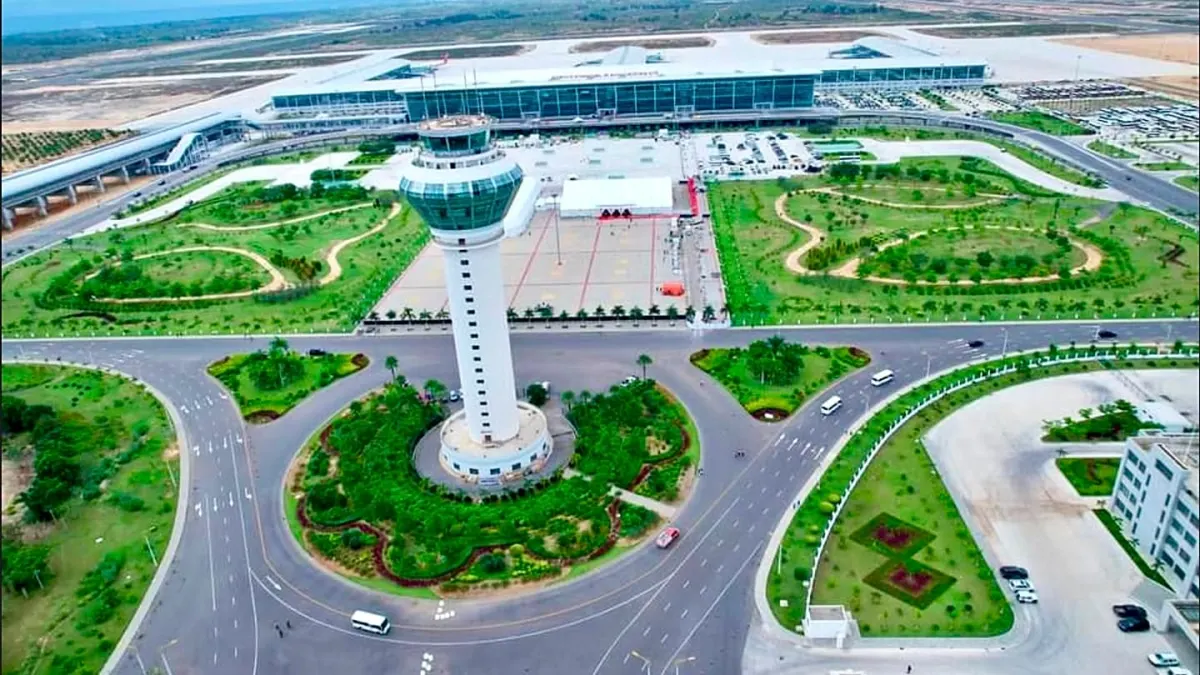
Turkish Airlines Exits Luanda as Angola Hub Struggles
Turkish Airlines dropped its Luanda route as Angola's new airport struggles to attract traffic, handling only 756,028 passengers in 2025.
Red Sea Airlines Leases Two 737 MAX 8s for 2027 Expansion
Red Sea Airlines signed a lease for two Boeing 737 MAX 8 aircraft from SMBC Aviation Capital, arriving in 2027 to support its 14-aircraft fleet goal.
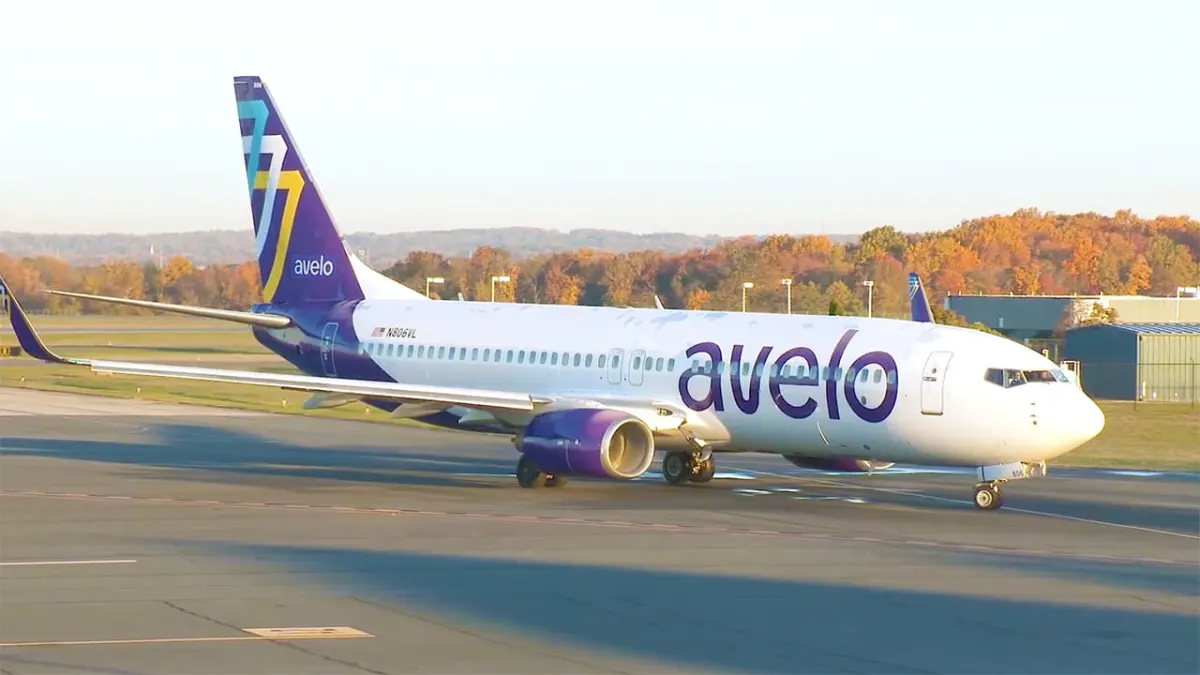
Avelo CEO Warns Airfares May Rise on Jet Fuel Price Spikes
Avelo Airlines CEO Andrew Levy warns that rising fuel costs may force fare increases as global jet fuel prices reach $171.01 per barrel.