Silk Way West Doubles A350F Order to Four Aircraft

Aviation News Editor & Industry AnalystAviation News Editor & Industry Analyst delivering clear coverage for a worldwide audience.
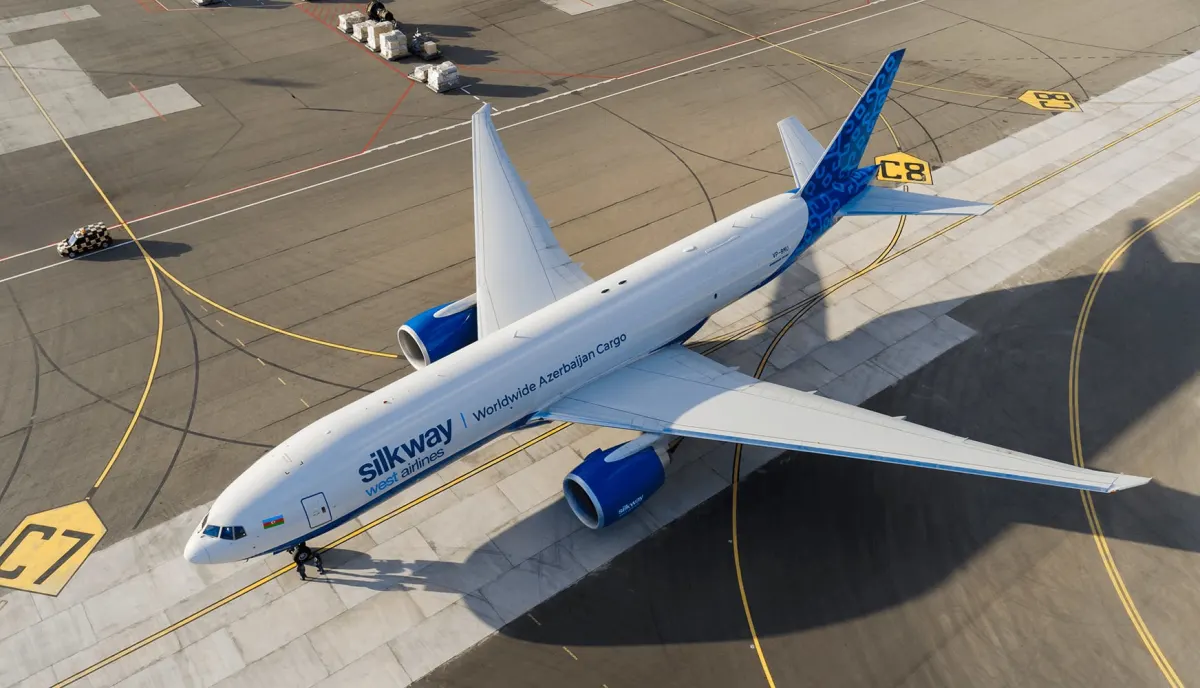
Silk Way West Airlines firmed up an order for two additional A350Fs, doubling its total commitment to four aircraft.
Key Takeaways
- •Silk Way West Airlines doubled its Airbus A350F order to four aircraft.
- •The A350F features a 111-tonne maximum payload and a 4,700 nm range.
- •Deliveries of the new widebody freighters are expected between 2028 and 2032.
Silk Way West Airlines, the leading Caspian region cargo carrier, has firmed up an agreement for two additional next-generation widebody freighters. This new transaction, which represents an additional Airbus A350F order, doubles the airline's total commitment for the type to four aircraft. The decision marks a significant step in the airline's long-term fleet strategy as global environmental mandates approach.
This fleet expansion represents a strategic shift for the Baku-based operator, which has traditionally relied on Boeing aircraft for its maindeck capacity. By securing additional Airbus A350 Freighter (A350F) delivery slots, the carrier is positioning itself to comply with upcoming international environmental regulations while upgrading its long-haul capabilities. The decision highlights the intensifying competition between Airbus and Boeing in the dedicated heavy cargo segment.
Fleet Modernization and Current Capacity
According to the Boeing Orders & Deliveries Database, the current active widebody freighter fleet of the Baku-based carrier includes five 747-400Fs, five 747-8Fs, and three 777Fs. The addition of the A350F represents a major diversification of its fleet.
Wolfgang Meier, President of Silk Way West Airlines, stated that this order "marks a major milestone in our company's growth and reflects our confidence in the future of sustainable air freight." Meier added that the aircraft will help the airline "continue to modernise our fleet and reduce our carbon footprint."
Technical Specifications and Environmental Compliance
The A350F is designed to meet the upcoming International Civil Aviation Organization (ICAO) enhanced CO2 emissions standards. According to Airbus, over 70% of the A350F airframe is constructed from advanced materials, which results in a take-off weight 46 tonnes lighter than competing derivative aircraft.
This weight reduction contributes to a 40% reduction in fuel consumption and carbon emissions compared to older-generation freighters. Additionally, the aircraft will be capable of operating with up to 50% Sustainable Aviation Fuel (SAF) at its entry into service. It is exclusively powered by Rolls-Royce Trent XWB-97 engines.
Airbus A350F vs. Boeing 777-8F: Key Specifications
While Airbus emphasizes the environmental efficiency of its new-generation platform, Boeing has presented a different perspective. According to Boeing, its competing 777-8F offers a higher gross structural payload and longer range, positioning it as a highly capable asset for maximum-yield heavy freight operations.
| Metric | Airbus A350F | Boeing 777-8F |
|---|---|---|
| Maximum Payload | 111 tonnes | 118 tonnes |
| Range | 4,700 nm | 5,000 nm |
Shift in the Heavy Cargo Market
This transaction illustrates a broader industry trend toward freighter fleet modernization and decarbonization. Historically, heavy cargo operations have been dominated by Boeing's quad-engine and large twin-engine freighters. However, the introduction of strict environmental mandates is forcing a structural shift.
The choice by a prominent operator to split its future fleet between Boeing and Airbus platforms indicates that the competitive landscape is shifting. For Rolls-Royce, the exclusive engine provider for the A350F, the order secures a larger backlog of Trent XWB-97 engines, while Boeing faces increased competition in a market segment it has historically dominated.
Future Deliveries and Regulatory Milestones
The transition to these new-generation freighters is tied to specific regulatory and operational timelines. The ICAO enhanced CO2 emissions standards are confirmed to take effect in 2027, which will restrict the production of older, less-efficient freighter models. Following this regulatory milestone, the delivery of the initial A350F aircraft to the airline is expected to occur between 2028 and 2032. During this period, the carrier will begin integrating the new type alongside its existing Boeing fleet.
Why the A350F Matters for Caspian Logistics
For the Caspian region, maintaining a modern and compliant cargo fleet is vital to preserving Baku's role as a major global logistics hub. By securing these advanced freighters, the carrier ensures uninterrupted access to European and international airports that enforce strict noise and emissions limits. Ultimately, this fleet strategy safeguards the airline's long-term operational viability in a highly regulated global market.
Frequently Asked Questions
- How many Airbus A350F freighters has Silk Way West Airlines ordered?
- Silk Way West Airlines has ordered a total of four Airbus A350F freighters, doubling its original commitment of two aircraft.
- What is the payload and range of the Airbus A350F?
- The Airbus A350F has a maximum payload capacity of up to 111 tonnes and an operational range of 4,700 nautical miles.
- When will Silk Way West Airlines receive its A350F aircraft?
- Deliveries of the Airbus A350F to Silk Way West Airlines are expected to take place between 2028 and 2032.
Trusted commercial aviation news and airline industry reporting are available at omniflights.com. Get the latest updates on major hubs, regional terminals, and airport operations via the Airports section at omniflights.com/airports.
Written by Ujjwal Sukhwani
Aviation News Editor & Industry Analyst delivering clear coverage for a worldwide audience. Covers flight operations, safety regulations, and market trends with expert analysis.
Visit ProfileYou Might Also Like
Discover more aviation news based on similar topics
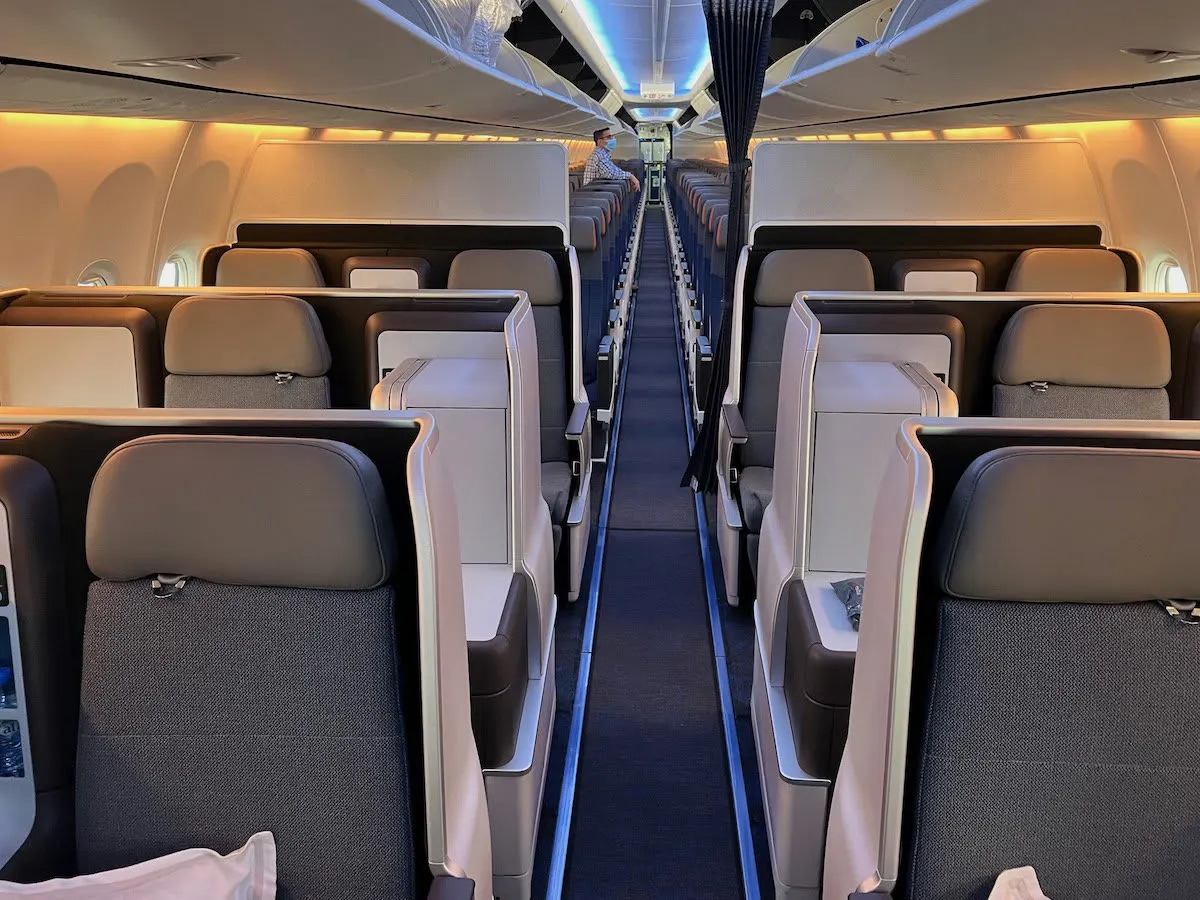
Flydubai Upgrading 21 Boeing 737 MAX 8s to Flat Bed Seats
Flydubai is retrofitting 21 Boeing 737 MAX 8 aircraft with lie-flat business class seats to standardize its premium product by late 2027.
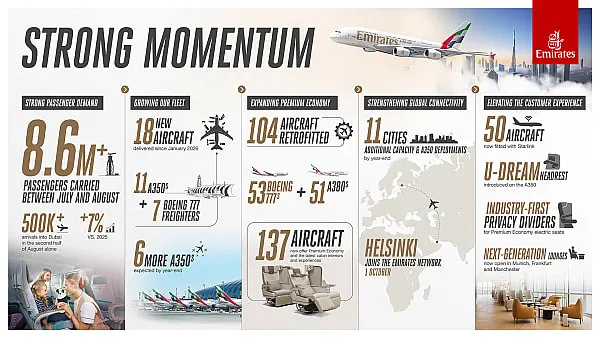
Emirates Winter Booking Momentum Grows Amid Fleet Expansion
Emirates carried 8.6 million passengers this summer and enters winter with strong demand as it accelerates fleet retrofits and network growth.
Air Arabia Consortium Gains AOC for New Dammam Budget Airline
A Saudi GACA-led consortium including Air Arabia has secured an AOC to launch a new budget airline based at Dammam's King Fahd International Airport.
Turkish Airlines Exits Luanda as Angola Hub Struggles
Turkish Airlines dropped its Luanda route as Angola's new airport struggles to attract traffic, handling only 756,028 passengers in 2025.

Red Sea Airlines Leases Two 737 MAX 8s for 2027 Expansion
Red Sea Airlines signed a lease for two Boeing 737 MAX 8 aircraft from SMBC Aviation Capital, arriving in 2027 to support its 14-aircraft fleet goal.
Avelo CEO Warns Airfares May Rise on Jet Fuel Price Spikes
Avelo Airlines CEO Andrew Levy warns that rising fuel costs may force fare increases as global jet fuel prices reach $171.01 per barrel.