Munich Airport Halts Flights After Suspected Drone Sighting

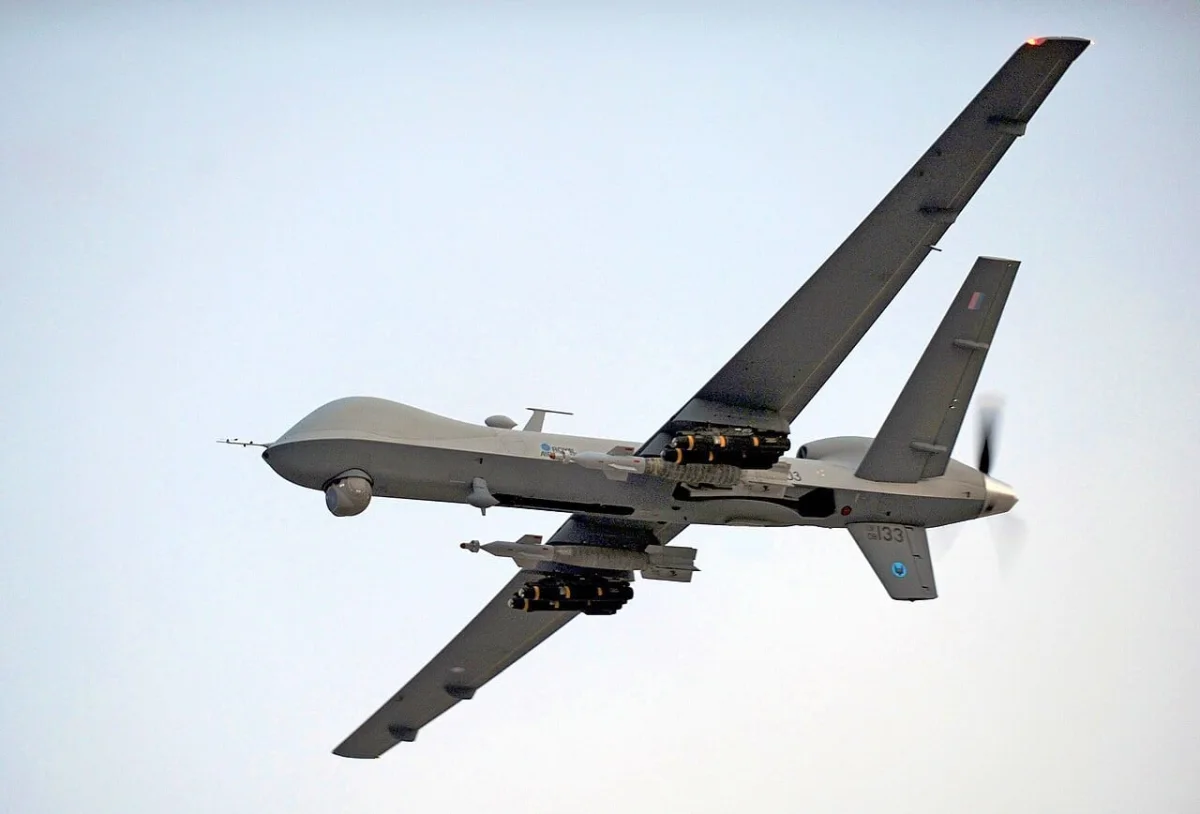
Munich Airport suspended operations for 65 minutes on May 30, 2026, after a suspected drone sighting forced the diversion of over 20 inbound flights.
Key Takeaways
- •Munich Airport halted operations for 65 minutes on May 30, 2026.
- •Over 20 inbound flights were diverted during the unauthorized drone incident.
- •German Federal Police found no drone after an extensive helicopter search.
- •The incident follows a similar disruptive drone closure in October 2025.
Munich Airport Drone Disruption and Operational Halt
Flight operations at Munich Airport (MUC) were temporarily suspended on May 30, 2026, due to a reported Munich Airport drone disruption. The ground stop, which lasted approximately 65 minutes, began at 09:00 local time and concluded at 10:05 local time after authorities ruled out an immediate threat to aviation safety. The incident highlights the ongoing challenge of managing an unauthorized UAV (Unmanned Aerial Vehicle) airport closure in high-traffic German airspace.
Following reports from two pilots regarding a suspected drone in the vicinity, the Deutsche Flugsicherung (DFS), Germany’s air navigation service provider, initiated standard safety protocols. The German Federal Police launched an immediate response, including a comprehensive search of the airport perimeter using a police helicopter. Despite these efforts, no drone was located, and the runways were reopened once the airspace was cleared for safe transit.
Impact on Commercial Aviation and Passengers
The MUC flight suspensions 2026 event caused significant operational strain, forcing the diversion of more than 20 inbound commercial flights to neighboring airports. For passengers, the disruption resulted in missed connections and extended travel times, while airlines faced increased fuel costs and the logistical burden of managing cascading schedule delays. Munich Airport (Flughafen München GmbH) authorities worked to restore normal capacity throughout the remainder of the day, though the loss of over an hour of runway throughput created a backlog that affected late-afternoon operations.
Regulatory Framework and Security Context
Unauthorized drone activity near critical infrastructure remains a severe violation of German law. Under LuftVO (Air Traffic Regulations) Section 21h, the German Federal Ministry for Digital and Transport (BMDV) enforces a strict 'No Drone Zone' within a 1-kilometer lateral distance of airport boundaries and 5 kilometers along approach and departure paths. Furthermore, the European Union Aviation Safety Agency (EASA) provides a robust risk-based framework under EU Regulations 2019/947 and 2019/945, which mandates strict operational authorizations for all unmanned aircraft systems flying near sensitive areas.
Historical Precedents and Industry Trends
This incident mirrors previous security challenges at major hubs. In October 2025, Munich Airport experienced similar disruptions due to multiple drone sightings, underscoring a recurring vulnerability. The industry often cites the 2018 Gatwick Airport incident as a benchmark, where drone activity led to hundreds of cancellations and prompted a global shift toward the deployment of advanced Counter-UAS (C-UAS) technology. Airports are increasingly investing in radar, optical, and radio-frequency detection systems to better verify sightings and minimize the need for total ground stops. According to some industry stakeholders, there is a growing call for more precise identification technology to avoid costly closures caused by potential misidentifications, such as balloons or birds.
What Comes Next for Airport Security
The German Federal Police continue to investigate the source of the May 30 sighting, with a final report on the incident expected by late 2026. As the Deutsche Flugsicherung (DFS) continues to monitor airspace integrity, the focus remains on enhancing real-time detection capabilities to ensure that future unauthorized incursions can be addressed without necessitating full-scale airport shutdowns. The incident serves as a reminder of the critical need for continued investment in integrated security systems to protect commercial air traffic from evolving aerial threats.
Frequently Asked Questions
- What happened at Munich Airport on May 30, 2026?
- Munich Airport suspended all flight operations for 65 minutes due to a suspected drone sighting. Over 20 inbound flights were diverted to other airports before operations resumed.
- Are drones allowed to fly near airports in Germany?
- No, German Air Traffic Regulations (LuftVO) prohibit unauthorized drone flights within a 1-kilometer radius of airport boundaries and 5 kilometers along approach or departure paths.
Visit omniflights.com for the latest commercial aviation news and airline industry updates. For reporting on UAP sightings, investigations, and aviation-related encounters, see the UAPs section at omniflights.com/uaps.

Written by Hardik Vishwakarma
Co-Founder & Aviation News Editor leading initiatives that improve trust and visibility across the global aviation industry. Covers airlines, airports, safety, and emerging technology.
Visit ProfileYou Might Also Like
Riyadh Airport Closure Extended After Deadly Houthi Attack
Riyadh Airport Closed Until October 17 After Houthi Attacks
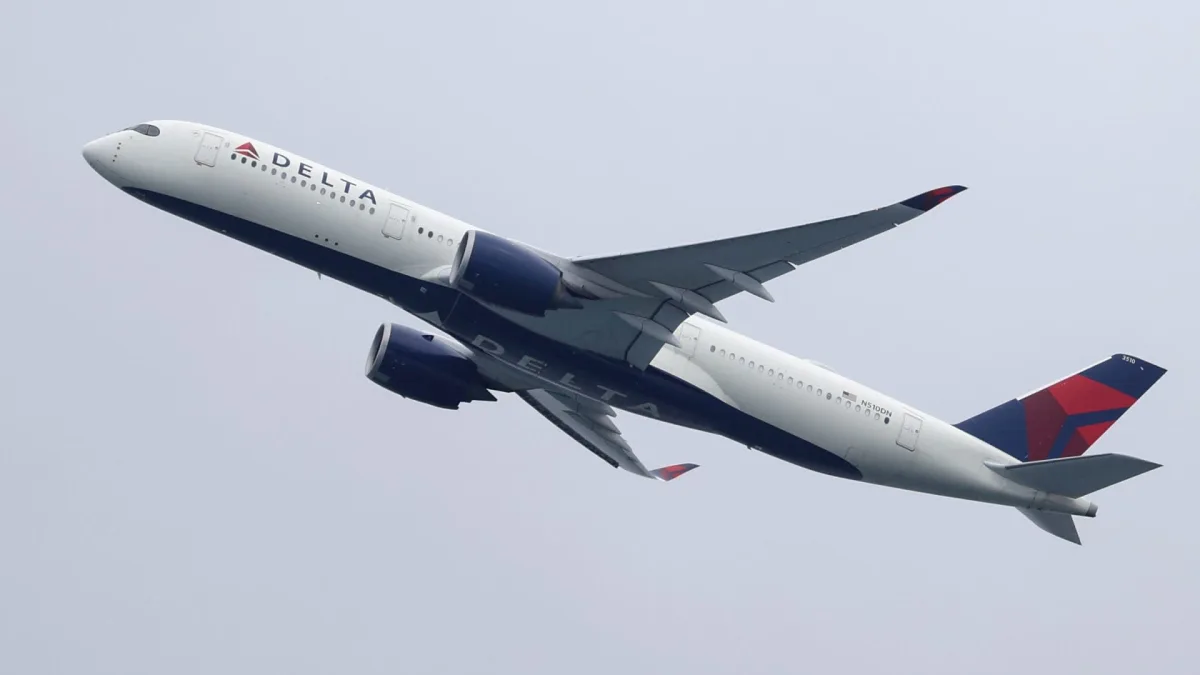
Delta Delays Atlanta-Riyadh Launch After Airport Attack
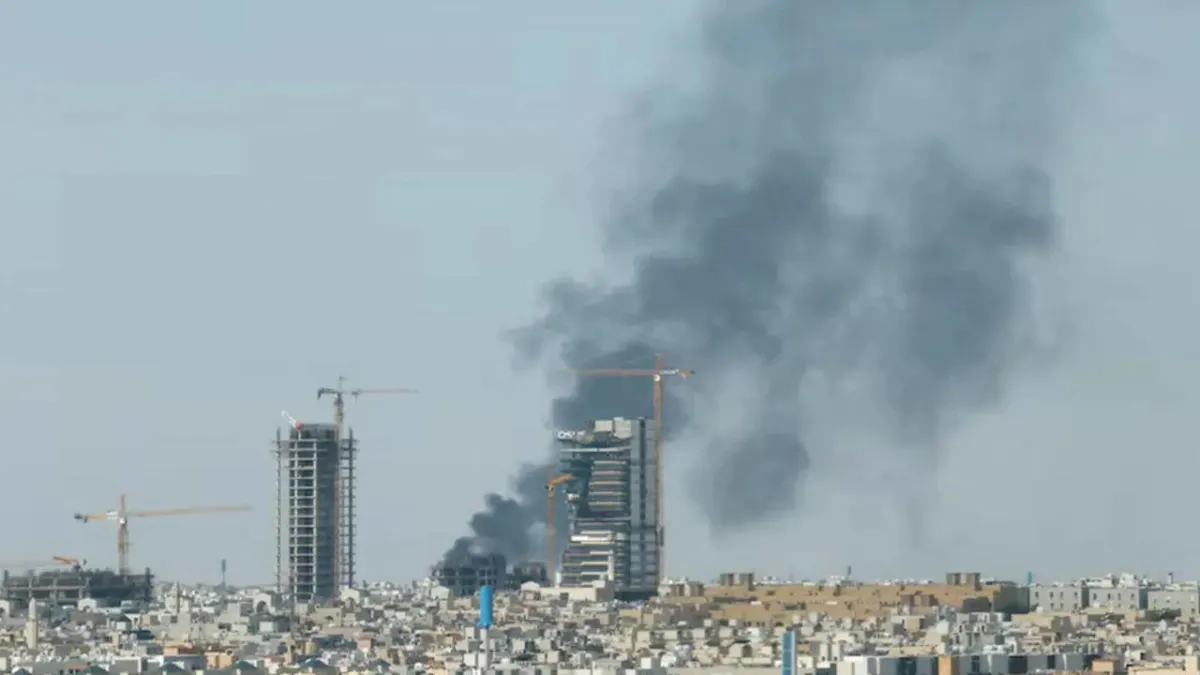
Riyadh Airport Missile Strike Leaves 12 Dead

Avianca Flight AV42 Diverts to Miami After Turbulence