Middle East Conflict Spikes Jet Fuel; Higher Airfares Loom for Summer 2026

Co-Founder & CEOAviation News Editor delivering trusted coverage across the global aviation industry.
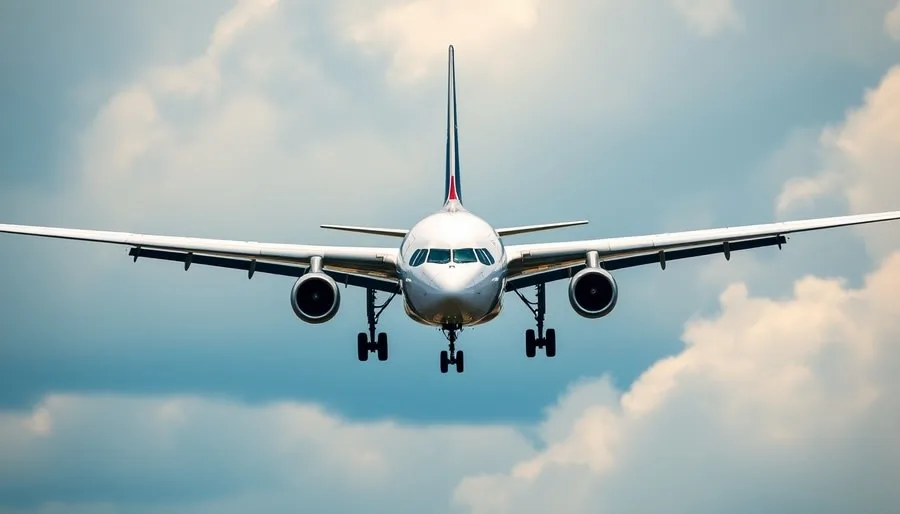
Rising jet fuel prices, driven by Middle East conflict, are forcing airlines to raise summer fares and add surcharges, impacting global travel costs.
Key Takeaways
- •Spiked to $3.99 per gallon, a 60% increase in two weeks, due to Middle East conflict.
- •Forces U.S. airlines to raise base fares while international carriers add fuel surcharges up to $50.
- •Exposes unhedged carriers to significant cost pressure, echoing historical oil shocks of 2008 and 2022.
- •Prompts experts to advise travelers to book summer 2026 flights early to lock in lower fares.
A sharp rise in jet fuel prices, stemming from geopolitical conflict in the Middle East, is placing significant cost pressure on airlines globally as the peak summer travel season approaches. The average price for U.S. jet fuel surged to $3.99 per gallon in mid-March 2026, according to the Argus U.S. Jet Fuel Index, a dramatic increase from the $2.50 per gallon price recorded just two weeks prior. This spike threatens to translate directly into higher airfares for travelers.
The increase in operating costs is not a question of if, but when and how much it will affect ticket prices. Fuel typically represents 20% to 25% of an airline's total operating expenses, second only to labor. Consequently, such a rapid price escalation forces carriers to adjust pricing strategies to protect margins, with the impact expected to be most pronounced on long-haul international routes that have higher fuel consumption.
The Driving Factors: Geopolitics and Supply
The primary catalyst for the price surge is the ongoing war in the Middle East, which has constrained oil exports and disrupted critical shipping lanes. Attacks on commercial vessels and oil infrastructure have effectively halted traffic through the Strait of Hormuz, a chokepoint for approximately one-fifth of the world's oil supply. This disruption has prompted major producers, including Kuwait, Saudi Arabia, and Iraq, to scale back output, tightening global supply.
The volatility in crude oil has a direct effect on refined products. Data from the U.S. Department of Transportation’s Bureau of Transportation Statistics (BTS) shows that U.S. airlines paid an average of $2.36 per gallon in January 2026, the most recent data available, highlighting the severity of the nearly 60% price increase in the subsequent two months.
Airline Responses and Financial Exposure
Airlines are responding to the cost pressures through various measures, largely dependent on their business models and geographic location. Many international carriers, including Air India, have begun implementing direct fuel surcharges. Air India announced surcharges that will increase by up to $50 for all tickets to Europe, North America, and Australia after March 18. Similarly, Hong Kong Airlines and South Africa's FlySafair have introduced new or increased fuel fees.
In contrast, major U.S. carriers typically do not apply separate fuel surcharges, instead incorporating fuel costs into their base fares. According to Tyler Hosford, security director at International SOS, travelers in the U.S. should expect higher overall ticket prices. This exposure is magnified by a recent industry trend where major U.S. airlines have largely abandoned fuel hedging programs. United Airlines CEO Scott Kirby recently remarked on the difficulty of hedging the
Stay ahead of the airline industry with commercial aviation news from omniflights.com. Discover how innovation is shaping aviation through aircraft systems, avionics, and digital tools at omniflights.com/technology.
Written by Hardik Vishwakarma
Co-Founder & Aviation News Editor leading initiatives that improve trust and visibility across the global aviation industry. Covers airlines, airports, safety, and emerging technology.
Visit ProfileYou Might Also Like
Discover more aviation news based on similar topics
IATA Pushes for Open Used Serviceable Material Market
IATA is urging engine OEMs to expand the Used Serviceable Material market following a landmark EU antitrust settlement with Pratt & Whitney Canada.

Virgin Atlantic A330 Retirement Boosts SAS Fleet Capacity
Virgin Atlantic is retiring its aging A330-300 fleet, with five airframes acquired by SAS to bridge near-term intercontinental capacity gaps.
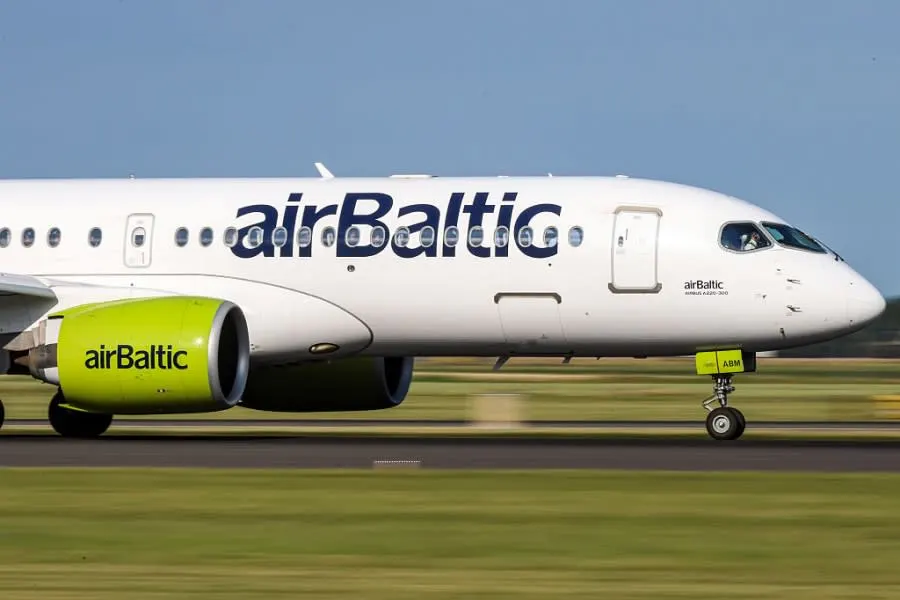
AirBaltic Files for Chapter 11 to Restructure Debt
AirBaltic has filed for Chapter 11 bankruptcy protection to restructure its finances while maintaining normal flight operations for passengers.
Boeing Wins $241M Navy Contract for F/A-18 Surface Repairs
Boeing secured a $241.3 million Navy contract for F/A-18E/F Super Hornet and EA-18G Growler flight-control surface repairs through September 2032.
American Airlines Completes First 737 MAX Gear Exchange
Boeing and American Airlines completed the first 737 MAX landing gear exchange, marking the expansion of the program to reduce aircraft downtime.

Iberia Gains Unrestricted A350 Heavy Maintenance Approval
The Spanish aviation regulator AESA has granted Iberia Maintenance unrestricted authorization to perform heavy maintenance on the Airbus A350 fleet.