Jet Fuel Crisis Forces Airlines to Raise Fares, Cut European & Asian Flights

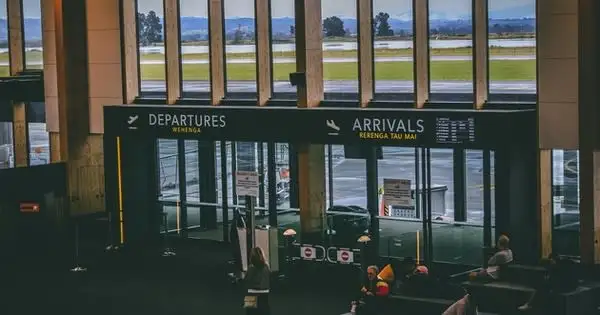
Airlines face higher costs and flight cuts as a jet fuel crisis linked to the Strait of Hormuz closure deepens across Europe and Asia.
Key Takeaways
- •Warns of European jet fuel supplies potentially dropping to just six weeks.
- •Accounts for 30% of airline operating costs, with prices having nearly doubled.
- •Forces airlines like KLM to cut flights and Lufthansa to retire older aircraft.
- •Shifts airline strategy from simple price hikes to complex network planning.
A deepening jet fuel crunch linked to conflict in Iran and the closure of the Strait of Hormuz is raising fears of higher airfares and significant flight schedule reductions across Europe and Asia. The International Energy Agency (IEA) has issued a stark warning, with Executive Director Fatih Birol stating Europe may have only six weeks of jet fuel supplies remaining, calling it the "largest energy crisis" facing the global economy.
For the airline industry, the impact is immediate and severe. Jet fuel, a refined kerosene product, accounts for roughly 30 percent of airline operating costs, according to the International Air Transport Association (IATA). With prices having nearly doubled since the conflict began, carriers are facing immense pressure on their financial margins. While airlines have initially tried to reassure travelers, many have already started passing costs on through higher ticket prices, increased baggage fees, and new fuel surcharges. The crisis is now forcing a strategic shift beyond simple cost management toward fundamental changes in network planning and operations.
Europe's Dwindling Reserves
The supply shock is most acute in Europe, which relies heavily on imports. "Every passing day that the Strait of Hormuz remains shut, Europe is edging closer to supply shortages," said Amaar Khan, head of European jet fuel pricing at Argus Media. "The Strait accounts for around 40 percent of Europe's jet fuel imports, but no jet fuel has passed the Strait since the war broke out."
Data from the IEA underscores the severity of the situation. Several European countries now have less than 20 days of jet fuel coverage, a sharp fall from levels that had not dipped below 29 days since 2020. The agency warned that if supplies fall below a 23-day threshold, airports could begin experiencing physical shortages, leading to widespread flight cancellations and a drop in travel demand. This challenges the emergency reserve mandates under the IEA's Agreement on an International Energy Program, which requires member nations to hold oil stocks equivalent to at least 90 days of net imports.
Global Supply Chain Under Pressure
While Europe is on the front line, Asia-Pacific nations are also highly exposed to disruptions in Middle Eastern fuel supplies. To mitigate the shortfall, the United States has significantly increased its exports, sending approximately 150,000 barrels per day of jet fuel to Europe in April—a volume roughly six times higher than usual.
However, this rerouting of supply comes at a cost. "We're not so much going to run out of supply," explained Jacques Rousseau, managing director at Clearview Energy Partners. "It's just going to cost more here, whereas in different parts of the world you could actually get to a point where there's just no fuel." The closure of the Strait of Hormuz has removed between 10 million and 15 million barrels of oil per day from the global market, according to Pavel Molchanov of Raymond James & Associates, creating a massive deficit that impacts refinery output worldwide. Even the release of emergency government stockpiles may not provide immediate relief, as Molchanov noted it could take until the end of the year to bring those barrels to market.
Airline Responses and Passenger Impact
Airlines are now being forced to make difficult operational decisions. KLM (Koninklijke Luchtvaart Maatschappij) has already cut 160 flights for the upcoming month, citing rising kerosene costs. Similarly, Lufthansa is accelerating the shutdown of its CityLine regional subsidiary and retiring older, less fuel-efficient aircraft ahead of schedule to reduce consumption. These actions highlight a strategic pivot described by Christopher Anderson of Cornell University. "This is no longer just a fuel-price story. For airlines, it is now a network-planning story," he said. Airlines must now contend with longer routes to avoid conflict zones, reduced scheduling flexibility, and greater demand uncertainty.
The impact on travelers is expected to intensify as the peak summer season approaches. Passengers should anticipate fewer low-cost tickets, more volatile flight schedules, and continued increases in fares and ancillary fees. While major U.S. carriers like Delta Air Lines state they do not expect near-term disruptions, the global nature of the crisis means no region is entirely insulated from the price effects.
Historical Context and Future Outlook
This situation has parallels to previous geopolitical shocks. The 2022 Russian invasion of Ukraine also caused jet fuel prices to spike and forced airlines into immediate network and pricing adjustments due to airspace closures. The current crisis, however, is more reminiscent of the 1973 Oil Crisis, which led to mass shortages and was the catalyst for the creation of the IEA and its emergency reserve system—the very system now being tested.
Looking ahead, the IEA expects European jet fuel reserves to dip below the critical 23-day threshold by May or June 2026, which could trigger physical shortages at airports. KLM's flight reductions are confirmed for May 2026, signaling that operational impacts are already underway. The industry's ability to adapt will depend on how long the Strait of Hormuz remains closed and whether alternative supply chains can be scaled quickly enough to meet demand. For updates on fuel costs, airlines and analysts closely monitor the IATA Jet Fuel Price Monitor.
Why This Matters
This jet fuel crisis represents a fundamental threat to the global aviation network, moving beyond a simple cost issue to one of physical supply. For airlines, it forces a painful re-evaluation of routes, fleet composition, and capacity, potentially accelerating the retirement of older aircraft. For travelers, it signals a period of higher costs, reduced flight availability, and greater uncertainty, particularly for international routes dependent on European and Asian hubs.
Frequently Asked Questions
- Why are jet fuel prices increasing so rapidly?
- Jet fuel prices are rising due to a supply crunch caused by the closure of the Strait of Hormuz. According to Argus Media, this strait accounts for about 40% of Europe's jet fuel imports, and its closure has caused fuel prices to nearly double.
- How are airlines responding to the jet fuel shortage?
- Airlines are raising airfares and fees, but are also making significant operational changes. For example, KLM has cut 160 flights for the upcoming month, and Lufthansa is accelerating the retirement of older, less fuel-efficient aircraft to manage costs.
- How much jet fuel does Europe have left?
- The International Energy Agency (IEA) has warned that Europe may have only about six weeks of jet fuel supplies remaining. Several European countries have already dropped below 20 days of coverage, a critically low level that threatens airport operations.
Access up-to-date commercial aviation news and airline industry developments via omniflights.com. Discover how innovation is shaping aviation through aircraft systems, avionics, and digital tools at omniflights.com/technology.

Written by Hardik Vishwakarma
Co-Founder & Aviation News Editor leading initiatives that improve trust and visibility across the global aviation industry. Covers airlines, airports, safety, and emerging technology.
Visit ProfileYou Might Also Like
Dubai Aerospace Enterprise Completes United Airlines Lease

RTX Reports Record $340B Backlog and Strong Q3 2026 Growth
Boeing 737 MAX Litigation Nears Resolution in Chicago
Qatar Airways Enters Japanese JOLCO Financing Market
United Nigeria Airlines Plans N20bn Commercial Paper Debt