Air India Delays Boeing 777 Retrofit Program Completion to 2029

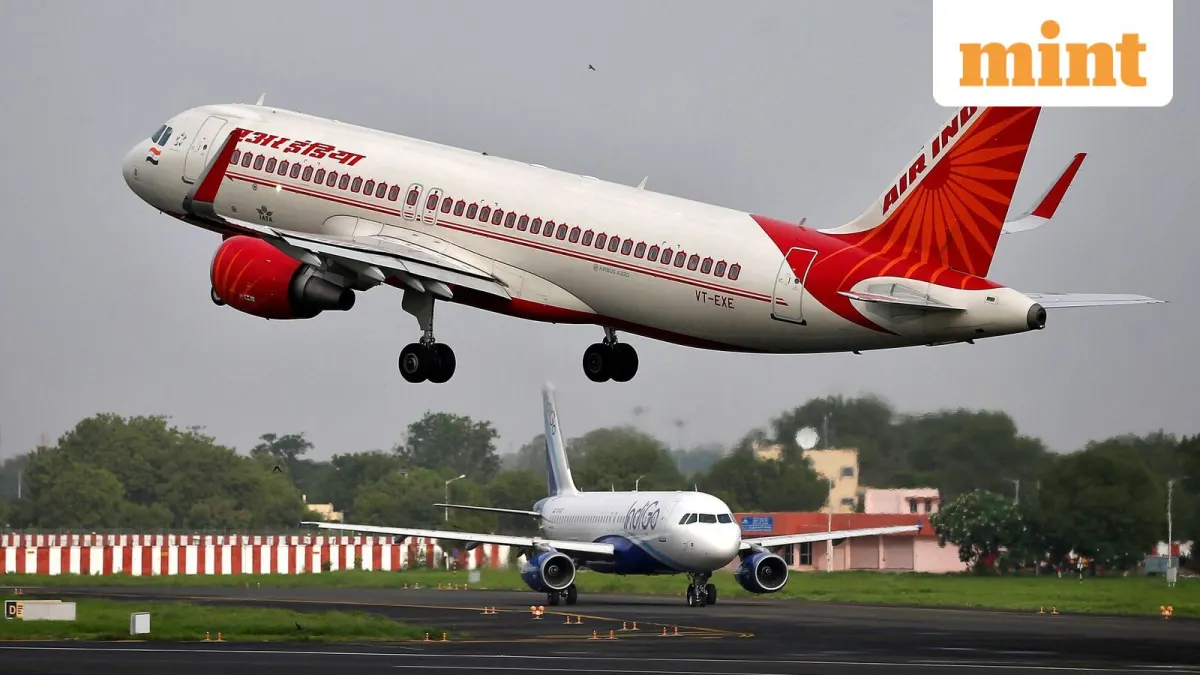
Air India has delayed its $400M legacy widebody fleet retrofit, pushing final completion to 2029 due to persistent supply chain bottlenecks.
Key Takeaways
- •Delays completion of its $400 million widebody retrofit program to 2029.
- •Cites global supply chain bottlenecks, specifically in aircraft seat manufacturing and certification.
- •Impacts 19 Boeing 777 and 26 Boeing 787-8 aircraft, delaying an upgraded long-haul passenger experience.
- •Schedules the final Boeing 777 refurbishment phase to begin in the second half of 2027.
Air India's ambitious $400 million legacy widebody fleet refurbishment program has encountered a significant delay, with the final completion now targeted for 2029. A senior executive confirmed the revised timeline, attributing the setback to persistent global supply chain bottlenecks, particularly in the manufacturing and certification of new cabin seats. The delay primarily affects the carrier's 19 Boeing 777 aircraft, which will now begin their overhaul in the second half of 2027.
This schedule adjustment impacts a cornerstone of the Tata Group's comprehensive transformation plan for the airline. The project is designed to elevate Air India's long-haul passenger experience to compete with global carriers by installing new seating, modern In-Flight Entertainment (IFE) systems, and updated cabin interiors. For passengers on key international routes, especially to North America, this means the continuation of service with older, non-retrofitted cabins for several more years, impacting product consistency during a critical period of brand revitalization.
Program Scope and Bottlenecks
The extensive retrofit program covers a total of 45 aircraft: 26 Boeing 787-8s and 19 Boeing 777s. While work on the Boeing 787-8 fleet is progressing, the Boeing 777 phase has proven more complex. According to Rajesh Dogra, Air India's Chief Customer Experience Officer, the 777s will enter Maintenance, Repair, and Overhaul (MRO) facilities in the latter half of 2027, with the process expected to take 18 to 24 months per aircraft.
The primary cause for the delay is the difficulty in securing new seating configurations, which require a Supplemental Type Certificate (STC). This regulatory approval, issued by bodies like the Federal Aviation Administration (FAA) or India's Directorate General of Civil Aviation (DGCA), has been hampered by backlogs and manufacturing constraints affecting aerospace suppliers worldwide. Air India CEO Campbell Wilson has previously noted that he does not expect global supply chains to return to normal until 2029 or 2030, a sentiment that aligns with the revised fleet timeline.
Industry-Wide Challenge
Air India's situation is not unique and reflects a broader industry trend where supply chain disruptions are forcing airlines to adapt their fleet strategies. In a similar scenario, Emirates launched a massive $2 billion retrofit for 120 of its existing A380 and Boeing 777 aircraft after facing multi-year delays in receiving its new Boeing 777X fleet. Likewise, Lufthansa's rollout of its new 'Allegris' cabin was severely delayed due to supply chain issues with seat manufacturers, forcing the carrier to operate new aircraft with older or incomplete interiors.
These precedents highlight a structural bottleneck in the aviation supply chain, particularly for the highly customized and certified components required for premium cabins. Consequently, airlines are increasingly extending the operational life of legacy aircraft. Air India itself reversed a decision to retire 13 older A321ceo aircraft, opting to retrofit them instead to maintain capacity amidst new aircraft delivery delays.
Boeing 787-8 Cabin Configuration Comparison
| Metric | Retrofitted Configuration | Legacy Configuration |
|---|---|---|
| Cabin Classes | 3-class (Business, Premium Economy, Economy) | 2-class (Business, Economy) |
| Business Class Layout | 1-2-1 with private suites | 2-2-2 standard flat beds |
| Total Capacity | 250 seats (20 J, 25 W, 205 Y) | 256 seats (18 J, 238 Y) |
Technical Analysis
This delay underscores a critical vulnerability in the post-pandemic aerospace recovery: the inability of the specialized interior components supply chain to meet the surging, simultaneous demand from airlines globally. The push for highly customized premium cabins has created a logjam at manufacturers and certification bodies, which were not scaled for this level of concurrent activity. For carriers like Air India, this transforms fleet modernization from a predictable capital expenditure cycle into a high-risk logistical challenge. The situation forces a reliance on costly life-extension programs for older assets, which can negatively impact fuel efficiency, maintenance costs, and brand perception. The pattern suggests that airlines with flexible MRO partnerships and less complex cabin requirements may hold a competitive advantage in fleet renewal over the next five years.
What Comes Next
Based on the airline's confirmed schedule, the retrofit program will proceed along a staggered timeline. The final phase for the Boeing 777 fleet is now set to commence in the second half of 2027. The refurbishment of the 26 Boeing 787-8s is expected to be completed by the first quarter of 2028. Air India expects the entire legacy widebody fleet overhaul, representing its 'Target 2029' for this project, to be finished by the end of that year, subject to the stabilization of the supply chain.
Why This Matters
For Air India, this delay is a significant hurdle in its five-year 'Vihaan.AI' transformation journey. It postpones the airline's ability to offer a consistent, modern long-haul product, potentially affecting its competitive standing against Gulf carriers and other international rivals. More broadly, it serves as a clear indicator of the deep-seated fragility within the global aviation supply chain, where bottlenecks in niche sectors like cabin interiors can have multi-year consequences for the world's largest airlines.
Frequently Asked Questions
- Why was Air India's Boeing 777 fleet upgrade delayed to 2029?
- The delay of Air India's Boeing 777 retrofit program to 2029 is primarily due to global supply chain bottlenecks. These issues have specifically impacted the manufacturing and regulatory certification of the new aircraft seats required for the complete cabin overhaul.
- How many aircraft are part of Air India's $400 million retrofit program?
- The program includes a total of 45 legacy widebody aircraft. This fleet consists of 19 Boeing 777s and 26 Boeing 787-8 Dreamliners that are being completely refurbished.
- What changes are being made to Air India's legacy widebody cabins?
- Air India is installing all-new interiors, including modern Business Class suites with a 1-2-1 layout, a new Premium Economy cabin, and refreshed Economy seating. The upgrade also includes a new state-of-the-art in-flight entertainment system across all classes.
Visit omniflights.com for the latest commercial aviation news and airline industry updates. Track policy changes, airspace rules, and global aviation governance in the Regulatory category at omniflights.com/regulatory.

Written by Hardik Vishwakarma
Co-Founder & Aviation News Editor leading initiatives that improve trust and visibility across the global aviation industry. Covers airlines, airports, safety, and emerging technology.
Visit ProfileYou Might Also Like
Dubai Aerospace Enterprise Completes United Airlines Lease

RTX Reports Record $340B Backlog and Strong Q3 2026 Growth
Boeing 737 MAX Litigation Nears Resolution in Chicago
Qatar Airways Enters Japanese JOLCO Financing Market
United Nigeria Airlines Plans N20bn Commercial Paper Debt