Middle East Conflict Sparks Widespread Airspace Closures, Disrupting Global Travel

Aviation News Editor & Industry AnalystAviation News Editor & Industry Analyst delivering clear coverage for a worldwide audience.

Escalating Middle East conflict forces widespread airspace closures, severely disrupting Gulf carriers and rerouting 14% of global international transit traffic.
Key Takeaways
- •Forces cancellation of over 37,000 flights in early March 2026 due to regional conflict.
- •Increases airline fuel costs by approximately 20% as carriers reroute flights around closed airspace.
- •Disrupts 14% of global international transit traffic, primarily impacting Europe-Asia routes.
- •Prompts the European Union Aviation Safety Agency (EASA) to issue a high-risk conflict zone bulletin.
An escalating conflict in the Middle East has triggered widespread airspace closures, causing severe disruptions to global aviation networks. According to data from Cirium Aviation Analytics, more than 37,000 flights to and from the region were cancelled between February 28 and March 8, 2026, grounding fleets and stranding hundreds of thousands of passengers.
The closures have had a profound impact on major Gulf carriers, including Emirates, Qatar Airways, and Etihad Airways, whose superconnector hubs in Dubai, Doha, and Abu Dhabi are central to global travel. These hubs are critical for long-haul routes, particularly between Europe and the Asia-Pacific region. The World Travel & Tourism Council (WTTC) notes that the Middle East accounts for 14% of global international transit traffic, highlighting the systemic importance of the now-restricted airspace.
Regulatory Response and Airspace Restrictions
In response to military activity, aviation authorities have implemented stringent restrictions. The European Union Aviation Safety Agency (EASA) issued an updated Conflict Zone Information Bulletin (CZIB 2026-03), classifying the airspace over Iran, Iraq, Israel, Jordan, Lebanon, and several Gulf states as a high-risk zone. The bulletin advises all EASA member state operators to avoid these areas, effectively closing key transit corridors.
Simultaneously, nations within the region, including Qatar and the UAE, activated the Emergency Security Control of Air Traffic (ESCAT) protocol. This measure grants military authorities control over civilian airspace, severely limiting access to specific Flight Information Regions (FIR), such as the Baghdad and Tehran FIRs. Only flights with prior permission operating on tightly controlled waypoints are permitted, drastically reducing overall traffic capacity. The French Civil Aviation Authority (DGAC) also issued its own directive, NOTAM LFFF F0379/2, explicitly instructing French carriers to avoid Iranian airspace.
Operational and Financial Impact
The operational fallout has been immediate and costly for airlines. Carriers are forced to reroute flights through narrow northern corridors over the Caucasus or southern routes via Egypt and Saudi Arabia. According to OAG Aviation Data, these longer flight paths increase airline fuel costs by approximately 20% per flight. This surge in operational expense is compounded by a spike in jet fuel prices, which rose in line with a 20% increase in global oil prices in early March 2026.
The disruption extends beyond passenger travel into global supply chains. The grounding of the Middle East's extensive widebody freighter and passenger fleets has created significant bottlenecks. Data from Rotate Air Cargo Analytics indicates that the airspace closures reduced international air cargo capacity by nearly 20%. The WTTC estimates the broader conflict is costing the global travel and tourism sector an estimated $600 million per day in lost international visitor spending.
Willie Walsh, Director General of the International Air Transport Association (IATA), commented on the situation, stating, "We all hope for an early peaceful resolution to the current hostilities. In the meantime, it is critical that states respect their obligation to keep civilians, and civil aviation free from harm."
What Comes Next
The duration of the airspace closures remains uncertain and is entirely dependent on the geopolitical situation. Airlines are bracing for a prolonged period of disruption, adjusting schedules and cancelling flights weeks in advance. The activation of ESCAT protocols and the EASA CZIB will likely remain in effect until a significant de-escalation of military activity is confirmed by security agencies. In the interim, carriers will continue to rely on less efficient and more costly alternative routes, with ongoing impacts on flight times, ticket prices, and cargo logistics.
Why This Matters
This event underscores the vulnerability of the global aviation system to regional conflicts, particularly in geographically critical transit zones like the Middle East. The disruption challenges the viability of the Gulf superconnector model and forces a strategic re-evaluation of key Europe-Asia routes. For the wider industry, it highlights the cascading financial and logistical risks of geopolitical instability, from surging fuel costs to fractured global supply chains.
Access up-to-date commercial aviation news and airline industry developments via omniflights.com. From aircraft production to supply chains, commercial aviation manufacturing news is covered at omniflights.com/manufacturing.
Written by Ujjwal Sukhwani
Aviation News Editor & Industry Analyst delivering clear coverage for a worldwide audience. Covers flight operations, safety regulations, and market trends with expert analysis.
Visit ProfileYou Might Also Like
Discover more aviation news based on similar topics
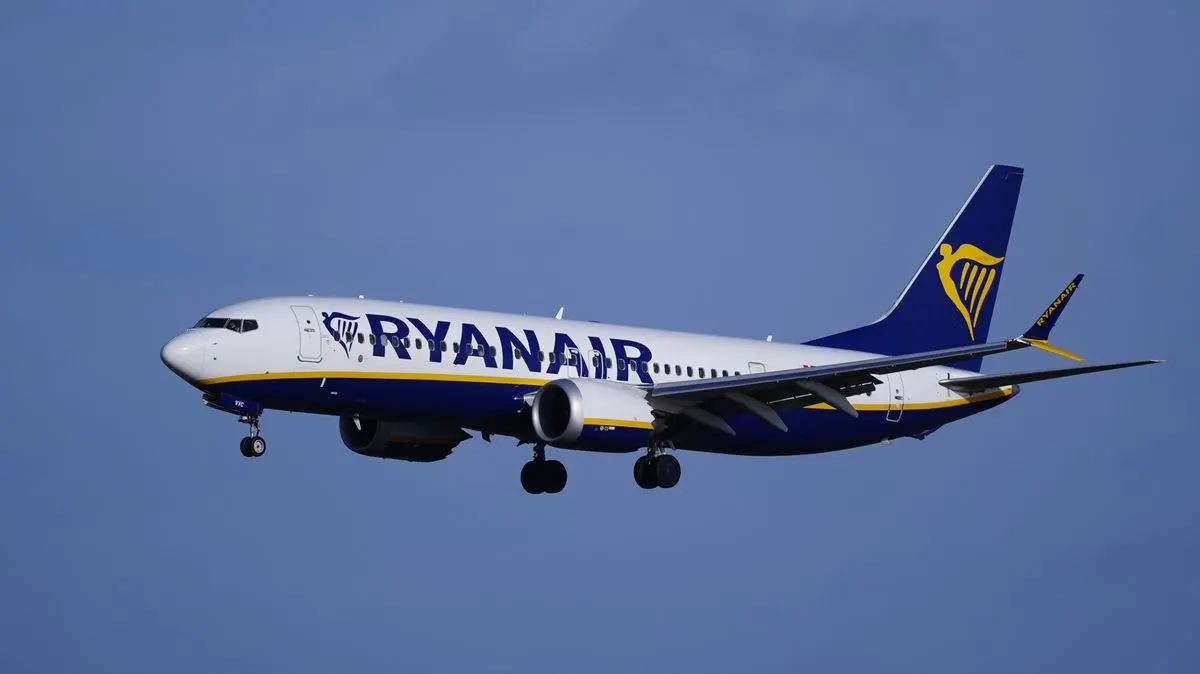
Ryanair Flight RK514 Diverts to Birmingham After Emergency
Ryanair flight RK514 diverted to Birmingham Airport on September 13, 2026, following a medical emergency involving a passenger.

Amazon Suspends 21 Air After Fatal Miami 767 Runway Overrun
Amazon has suspended operations with 21 Air following a fatal Boeing 767 runway overrun at Miami International Airport that resulted in five deaths.
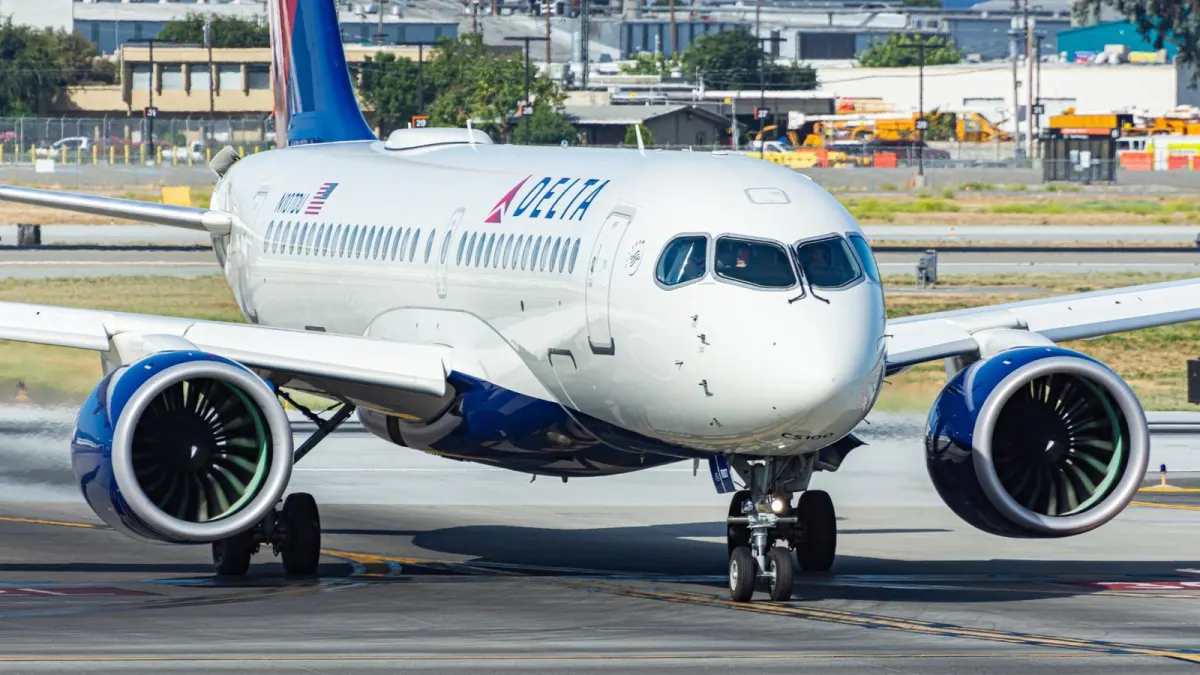
FAA Proposes A220 Fuel Line Inspections for US Operators
The FAA issued a proposed directive requiring inspection of motive-flow fuel lines on 13 US-registered Airbus A220s to prevent potential leaks.
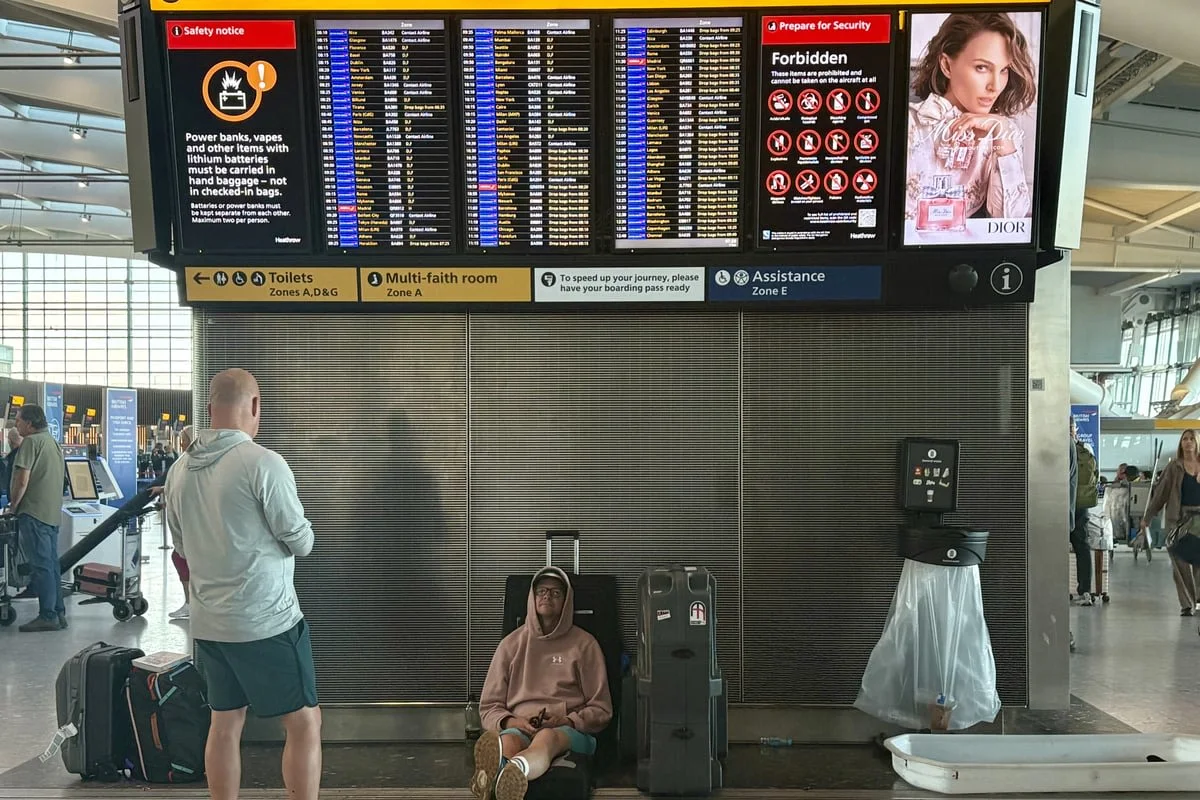
NATS Denies Military Jet Role in UK ATC Outage
The UK Ministry of Defence denied its aircraft caused a NATS outage that led to over 2,000 flight cancellations and calls for CEO resignation.
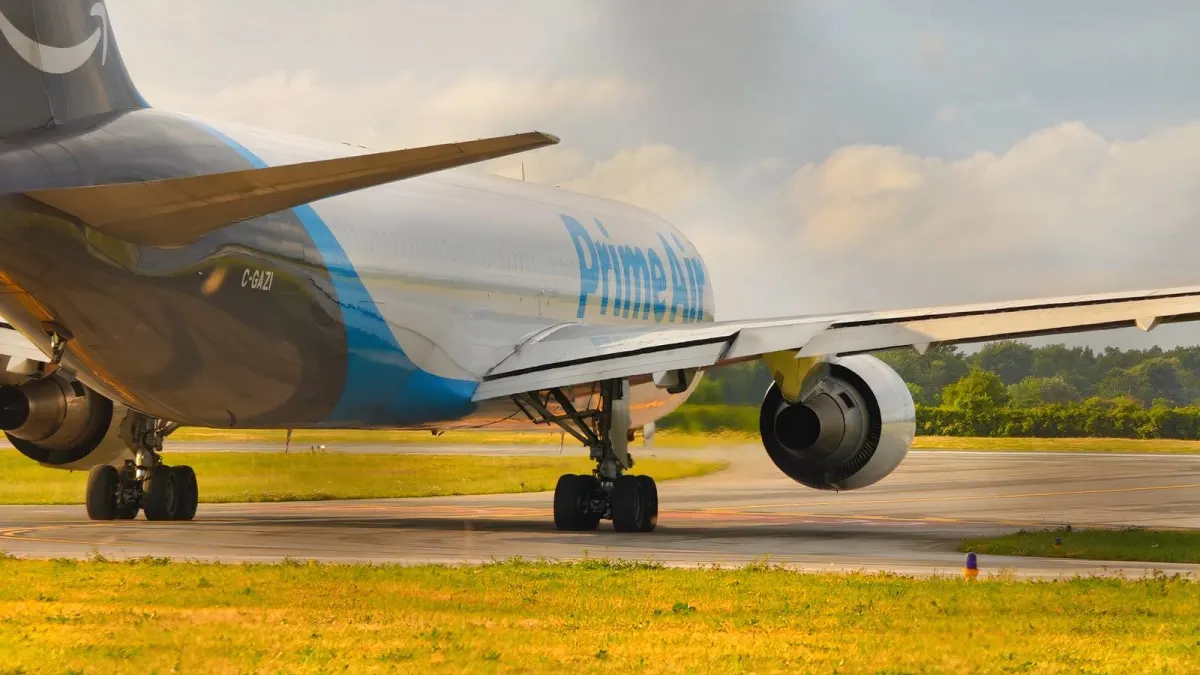
21 Air Miami Crash: NTSB Investigates 767 Runway Overrun
A fatal 21 Air Boeing 767 crash at Miami International Airport has triggered an NTSB investigation amid scrutiny of Amazon Air's contract oversight.

Amazon Cargo Plane Crash: 5 Remembered After MIA Excursion
Five cleaning crew members died after an Amazon-contracted Boeing 767 overran the runway at Miami International Airport at 158 knots.