Menzies Aviation Deploys Electric TaxiBot at Schiphol

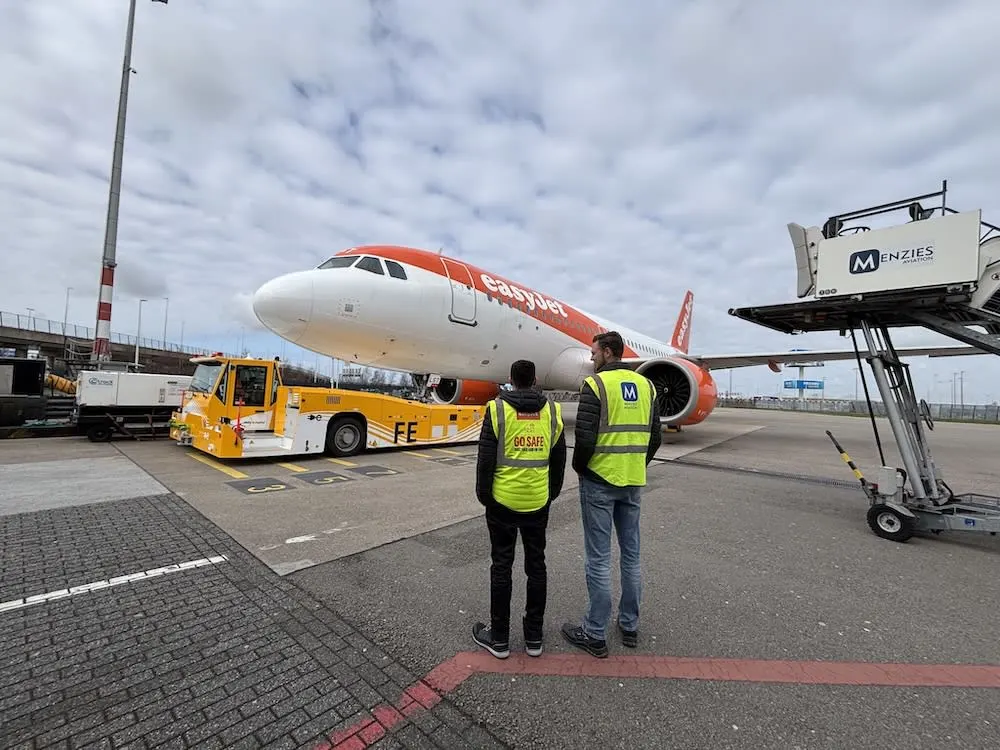
Menzies Aviation has launched the world's first electric TaxiBot for easyJet A320neo aircraft at Amsterdam Schiphol, reducing fuel burn by 95 kg per...
Key Takeaways
- •Menzies Aviation deploys first electric TaxiBot at Schiphol for easyJet.
- •Each TaxiBot-assisted departure saves 95 kg of fuel and 299 kg of CO2.
- •Large-scale adoption could cut taxiing fuel consumption by up to 65%.
- •Three additional electric TaxiBots are expected at Schiphol by end-2026.
Sustainable Ground Operations at Schiphol
Menzies Aviation has officially commenced the electric TaxiBot deployment at Amsterdam Schiphol Airport (AMS), marking a significant milestone in engine-free aircraft taxiing technology. This initiative, conducted in collaboration with easyJet and the Royal Schiphol Group, utilizes a fully electric, semi-robotic tug to transport Airbus A320neo aircraft between the gate and the runway. By eliminating the need to start main engines during ground movement, the project aims to drive substantial aviation emissions reduction across the airport’s apron.
Operational Impact and Environmental Gains
The implementation of this technology addresses the critical need for more sustainable ground operations in high-traffic European hubs. According to data provided by easyJet, the use of the Smart Airport Systems (SAS) electric TaxiBot saves an average of 95 kg of aviation fuel per flight. Furthermore, each assisted departure prevents approximately 299 kg of CO2 emissions. For easyJet, the move serves to lower direct operating costs and reduce carbon liabilities, though the integration requires specific technical modifications to the A320neo fleet.
The Role of the SESAR HERON Project
This deployment is supported by the SESAR (Single European Sky ATM Research) HERON project, a framework funded by the European Union to foster efficient and sustainable ground handling. The SESAR Joint Undertaking provides the regulatory oversight necessary to integrate these advanced robotic systems into busy airport environments. Amsterdam Airport Schiphol's innovation portal notes that large-scale adoption of this technology could potentially reduce overall taxiing fuel consumption by up to 65% at the airport.
Technical Analysis: Electric vs. Traditional Taxiing
| Metric | Electric TaxiBot Operations | Traditional Jet Engine Taxiing |
|---|---|---|
| Power Source | Electric Tug + APU | Main Jet Engines |
| Average Fuel Saved per A320neo flight | 95 kg | 0 kg |
| Apron Emissions | Zero tug emissions | Full jet exhaust |
The shift toward engine-free taxiing aligns with broader industry trends regarding the electrification of Ground Support Equipment (GSE). By moving away from diesel-powered tugs and idling jet engines, airports are effectively mitigating noise pollution and reducing exposure to NOx (Nitrogen Oxides) and ultrafine particles for ground staff. Historically, the 2022-2024 hybrid TaxiBot trials with KLM demonstrated the operational viability of this concept, achieving up to 85% fuel savings on long taxi routes to the Polderbaan runway. The current easyJet rollout accelerates this trajectory by standardizing the process for the A320neo family.
Future Milestones for Ground Handling
The program is set to expand significantly over the coming months. Royal Schiphol Group and Smart Airport Systems have confirmed the delivery of three additional electric TaxiBots to the airport by the end of 2026. Furthermore, industry observers expect the certification of TaxiBot technology for Embraer aircraft operations to occur by late 2026 or 2027, potentially involving KLM Cityhopper. While some analysts suggest that regulatory friction regarding standardized ground equipment remains a challenge, the current deployment signals a clear shift toward automated, low-emission apron management.
Why This Matters for Apron Operations
For Menzies Aviation ground crews, the transition improves the immediate workplace environment by reducing engine noise and harmful exhaust exposure. Beyond the immediate health benefits, the deployment provides a scalable model for other global hubs facing increasing pressure to meet sustainability targets. As airports continue to prioritize carbon-neutral operations, the success of this Smart Airport Systems implementation will likely serve as a primary reference case for the global aviation sector.
Frequently Asked Questions
- How much fuel does the electric TaxiBot save per flight?
- The electric TaxiBot system is estimated to save an average of 95 kg of aviation fuel per easyJet A320neo flight.
- What is the primary benefit of using TaxiBot technology for apron staff?
- The technology improves workplace safety by significantly reducing exposure to engine noise and ultrafine particles, creating a healthier and cleaner apron environment.
omniflights.com provides comprehensive commercial aviation news covering airlines, aircraft, and airports. Stay informed on aviation incidents, investigations, and best practices in the Safety category at omniflights.com/safety.

Written by Hardik Vishwakarma
Co-Founder & Aviation News Editor leading initiatives that improve trust and visibility across the global aviation industry. Covers airlines, airports, safety, and emerging technology.
Visit ProfileYou Might Also Like
British Airways Retrofits A380 with 106 Club Suite Seats
EasyJet Cuts 700k Winter Seats as Fuel Costs Climb
PIA to Lease Two Norse Atlantic 787-9s for UK Routes
Kalitta Air Evaluates Airbus A350F for Cargo Modernization

American Airlines Expands Starlink to 1,000+ Mainline Jets