Manchester Airport Deploys Biometric Shared Terminal in Terminal 2

Co-Founder & CEOAviation News Editor delivering trusted coverage across the global aviation industry.
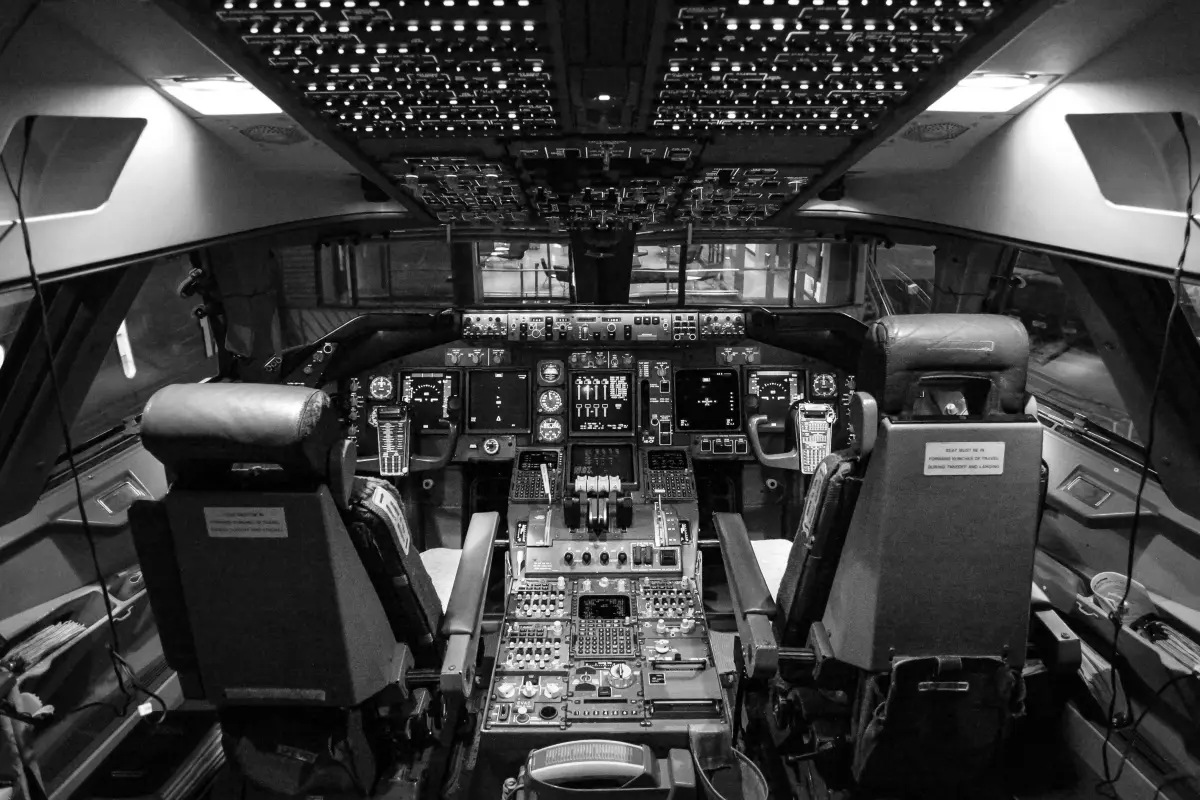
Manchester Airport deployed a shared terminal model in T2 using Amadeus biometrics, achieving 99% identity reconciliation to streamline passenger flow.
Key Takeaways
- •Implements a shared terminal model using Amadeus biometric technology in Terminal 2.
- •Achieves a 99% automated identity reconciliation rate for passenger processing.
- •Increases airport capacity as part of a £1.3 billion transformation program.
- •Manages mixed domestic and international passenger flows while complying with UK Border Force rules.
Manchester Airport (MAN) has implemented a new shared terminal operating model in its recently upgraded Terminal 2, leveraging biometric technology from Amadeus to manage mixed flows of domestic and international passengers. The system, a core component of the airport’s £1.3 billion Manchester Airport Transformation Programme (MAN-TP), uses digital identity reconciliation to dynamically route travelers, removing the need for physical segregation and optimizing infrastructure use. According to Amadeus, the technology has achieved a 99% success rate in automated identity checks for both arriving and departing passengers.
The new model addresses a long-standing operational challenge for airports: managing passengers from the Common Travel Area (CTA)—which includes the UK, Ireland, and Crown Dependencies—alongside international travelers who require formal border checks. Traditionally, this required separate piers, gates, and lounges, leading to inefficient use of space. By using biometrics to create a digital identity for each passenger at check-in, the system can automatically verify their status at multiple touchpoints and direct them accordingly, ensuring international arrivals are routed to UK Border Force immigration controls and Automated Border Control Gates (eGates), while CTA passengers can proceed seamlessly.
Operational Overhaul and Regulatory Compliance
The implementation required close collaboration between Manchester Airports Group (MAG), the airport's operator, and UK regulators to ensure the digital system met strict border integrity requirements. The technology allows the airport to use the same gate for an international arrival followed by a domestic departure without reconfiguring the physical space. This flexibility is central to the project's goal of increasing Terminal 2's capacity by 150%, ultimately enabling the airport to handle 45 million passengers annually.
Chris Woodroofe, Managing Director at Manchester Airport, stated that the technology allows the airport to use its space "far more intelligently." Rudy Daniello, EVP of Airport & Airline Operations at Amadeus, added that the system replaces static physical segregation with digital orchestration, optimizing the use of physical infrastructure. This approach directly impacts key stakeholders. Airlines operating from Terminal 2 benefit from improved asset utilization and reduced complexity, as they no longer need dedicated domestic and international infrastructure. For the UK Border Force, the system necessitates a reliance on digital reconciliation to enforce immigration controls, a significant shift from physical passenger flow management.
Industry Context and Precedents
Manchester's project aligns with a global trend toward biometric-enabled, contactless travel, championed by the IATA One ID initiative. This industry-wide push aims to allow passengers to traverse airport touchpoints without repeatedly presenting physical documents. Industry data suggests that over 50% of airports plan to implement biometrics for check-in and bag drop by 2026, which can accelerate processing times by up to 30%. The shared infrastructure model also offers efficiency gains, with studies indicating it can reduce minimum connection times by nearly 20% and lower staff costs by up to 11%.
While innovative, MAN's deployment builds on earlier proofs-of-concept. In 2017, Singapore Changi Airport’s Terminal 4 successfully implemented end-to-end biometrics. A year later, in 2018, Delta Air Lines launched the first fully biometric terminal in the United States at Atlanta Hartsfield-Jackson's Terminal F. Manchester's implementation advances this concept by applying it to the complex challenge of mixed domestic and international passenger flows within a single shared space, governed by UK border regulations.
However, the widespread adoption of biometrics is not without challenges. Privacy advocates raise concerns about the mass collection of sensitive data, emphasizing the need for passenger-controlled digital identities that comply with regulations like the General Data Protection Regulation (GDPR). Labor unions have also warned that increased automation could disrupt the roles of ground staff and security personnel.
What Comes Next
With the biometric shared terminal model now operational in Terminal 2, Manchester Airports Group will continue the broader infrastructure upgrades. According to MAG, the full completion of the £1.3 billion Manchester Airport Transformation Programme is confirmed for late 2026. The success of this digital passenger flow management system at MAN will likely serve as a key case study for other major airports globally that are facing capacity constraints and seeking to optimize existing terminal footprints.
Why This Matters
Manchester Airport's biometric shared terminal represents a significant step beyond simply adding technology to the passenger journey. It demonstrates a fundamental shift in airport design philosophy, moving from rigid, physically segregated infrastructure to a flexible, digitally managed environment. This model provides a blueprint for airports to increase capacity and efficiency without the immense cost and physical space required for traditional terminal expansions, positioning digital identity as a cornerstone of future airport operations.
For in-depth airline coverage and commercial aviation news, omniflights.com delivers timely industry insights. From aircraft production to supply chains, commercial aviation manufacturing news is covered at omniflights.com/manufacturing.
Written by Hardik Vishwakarma
Co-Founder & Aviation News Editor leading initiatives that improve trust and visibility across the global aviation industry. Covers airlines, airports, safety, and emerging technology.
Visit ProfileYou Might Also Like
Discover more aviation news based on similar topics
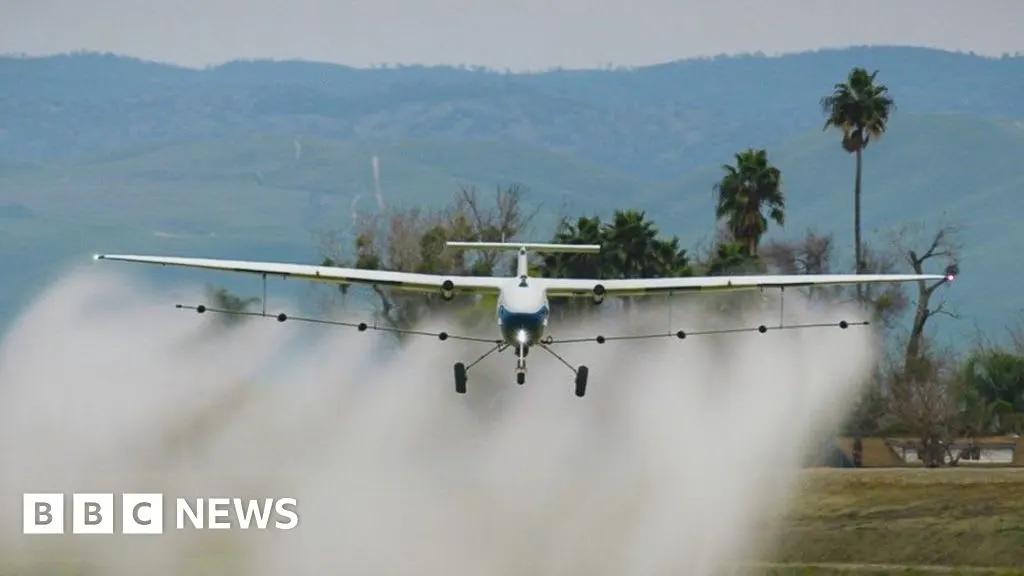
Autonomous Fixed-Wing Aircraft Development Gains Momentum
Start-ups are advancing autonomous fixed-wing aircraft for agricultural and cargo tasks, aiming to prove safety before pursuing passenger operations.
Boeing 787-9 Completes Short Inlet Tests in Montana
Boeing completed 52 hours of flight tests on a 787-9 with an experimental 30% shorter engine inlet to evaluate noise and fuel efficiency.
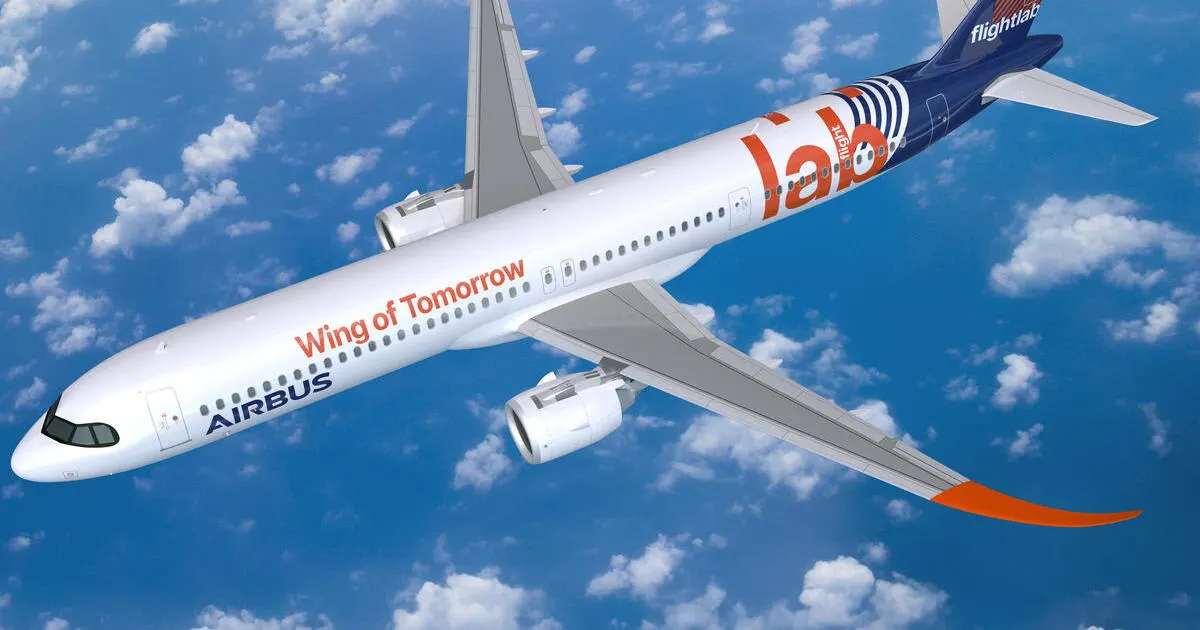
Airbus A321neo to Test Folding Wings of Tomorrow Project
Airbus launched a three-year flight-test campaign using an A321neo to evaluate folding wings that extend up to five meters.
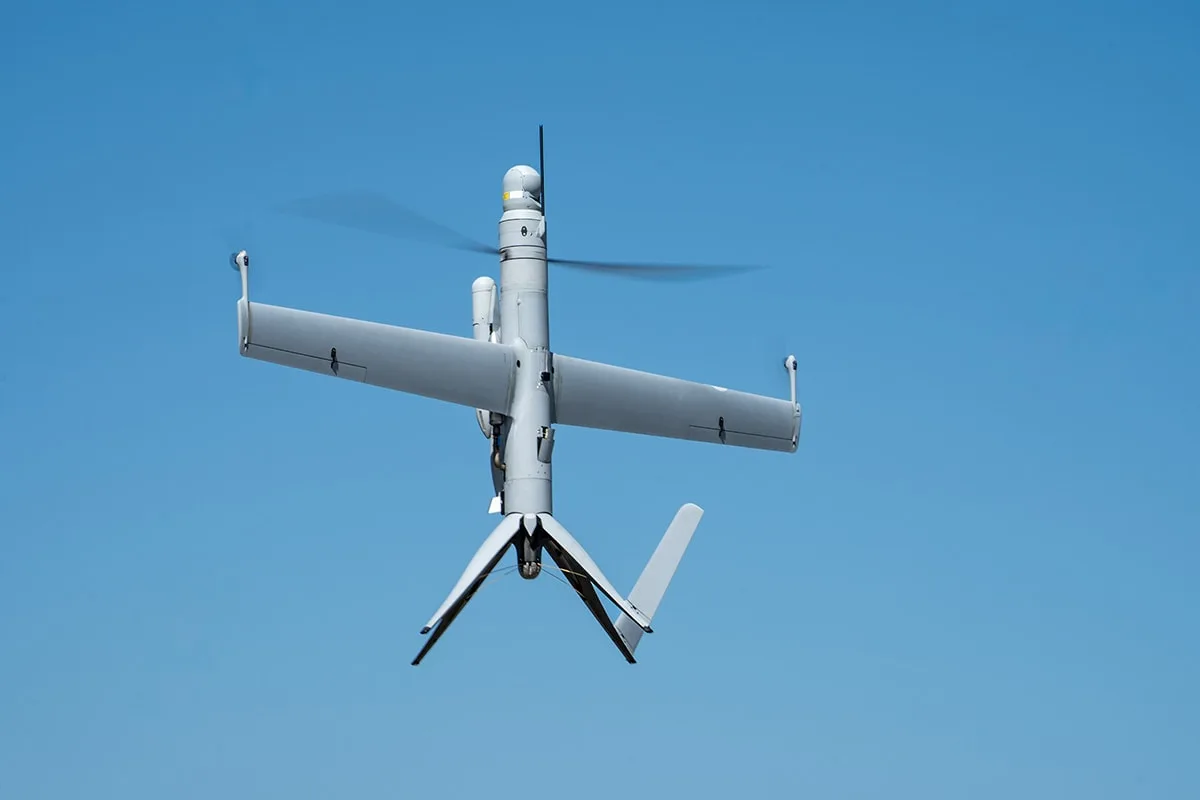
Voyageur Orders Canada's First Airbus U030 Flexrotor
Voyageur Aviation ordered Canada's first Airbus U030 Flexrotor, a 25 kg tactical drone, to expand its maritime and Arctic surveillance capabilities.
LATAM Selects SES Multi-Orbit Wi-Fi for 60+ New Jets
LATAM Airlines signed a multi-year deal with SES to equip more than 60 incoming Airbus and Embraer aircraft with multi-orbit satellite Wi-Fi.

Lufthansa 787-9 Tests Tech to Cut Fuel and Noise
Boeing, Lufthansa, and Rolls-Royce partnered to test emissions-reducing technologies on a 787-9, targeting a 20% fuel efficiency improvement.