Malaysia Aviation Faces Cuts, Tourism Drop Amid Energy Crisis

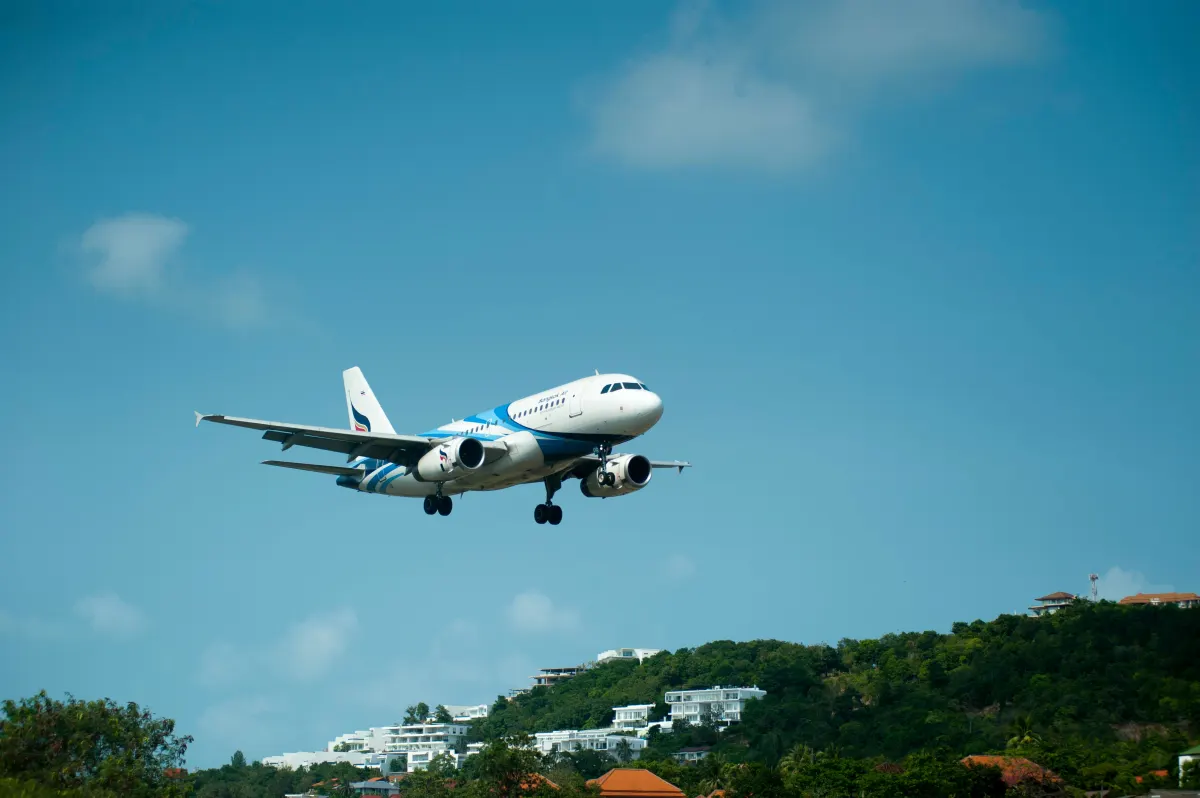
Malaysia's government warns the global energy crisis is causing flight cancellations and a projected 1.5 million drop in Middle East tourist arrivals.
Key Takeaways
- •Cites 55 weekly flight cancellations by six airlines in late March.
- •Projects a 1.5 million drop in air passenger arrivals from the Middle East.
- •Warns of potential job losses materializing from June 2026 onwards.
Spillover effects from the global energy crisis are beginning to impact Malaysia's aviation and tourism sectors, according to Malaysian Economy Minister Akmal Nasrullah Mohd Nasir. In a government briefing, the minister confirmed that while core economic indicators and cargo flows remain stable, early signs of strain are evident in international travel, with significant flight cancellations and a weakened outlook for tourist arrivals from the Middle East.
The most immediate impact has been on airline schedules. According to the Ministry of Economy, a total of 55 weekly flights operated by six airlines were cancelled during a single week, from March 23 to March 28. This disruption points to rising operational costs and shifting demand patterns linked to geopolitical tensions. Beyond the flight cuts, the ministry projects a substantial decline in tourism revenue, forecasting that air passenger arrivals from the Middle East will fall by 1.5 million this year.
Minister Akmal Nasrullah Mohd Nasir emphasized that the full economic consequences will unfold with a delay. "The crisis is unfolding with a lag effect, where cost pressure is first felt before filtering into job markets and household incomes," he stated. This lag means that while airlines and hotels feel the immediate revenue impact, the effect on employment is not expected to materialize until later.
Stakeholder Impact
The crisis is set to disproportionately affect several key groups. Middle Eastern airlines operating routes to Malaysia face reduced capacity and significant revenue loss from the combination of flight cancellations and lower passenger volumes. Concurrently, Malaysia's tourism and hospitality sector is bracing for the loss of high-yield travelers from the Middle East, which will directly impact hotel occupancy, retail spending, and tour operations.
For the Malaysian aviation workforce, the impact is projected to be delayed but significant. The government warns that potential job losses and hiring freezes could begin from June 2026 as airlines adjust to a prolonged period of higher operating costs and suppressed demand.
Historical Precedents and Analysis
This situation mirrors previous global shocks that have impacted the aviation industry. In 2008, a major oil price spike to $147 a barrel led to numerous airline bankruptcies and widespread job losses, demonstrating the severe consequences of sustained high energy costs. More recently, the 2022 closure of Russian airspace following the invasion of Ukraine forced many Asian and European carriers to reroute long-haul flights, increasing fuel burn, raising ticket prices, and leading to some route cancellations. Both precedents illustrate a pattern where geopolitical events translate into immediate operational disruptions followed by longer-term financial and labor market distress.
The current crisis in Malaysia appears to be following this established trajectory. The initial shock has caused immediate flight cancellations, a direct response to cost pressures and security concerns. The projected drop in tourism and the delayed impact on employment align with the classic lag effect seen in previous crises. This development indicates the acute vulnerability of long-haul international routes, particularly those linked to tourism, to external geopolitical and energy market volatility.
While the aviation and tourism sectors are showing strain, the minister noted that other areas of the economy, such as sea and land transport, have remained broadly stable for now, highlighting a degree of economic resilience outside of international travel.
What Comes Next
The Malaysian government has outlined a timeline for the expected impacts. The broader effects on employment in the aviation and tourism sectors are anticipated to materialize starting in the second quarter of 2026, with specific job losses potentially emerging from June 2026 onwards if geopolitical tensions persist.
A more comprehensive assessment of the damage to the tourism sector will be available at the end of the year. The Ministry of Tourism, Arts and Culture Malaysia (MOTAC) is expected to release a full-year analysis of Middle East passenger arrivals in December 2026, which will clarify the full extent of the downturn.
Why This Matters
This development serves as a critical indicator of how global energy politics can directly disrupt national economies reliant on international travel. For Malaysia, it tests the resilience of its post-pandemic tourism recovery and highlights the financial pressures facing airlines operating long-haul routes. The situation acts as a cautionary signal for other tourism-dependent nations regarding their vulnerability to external shocks.
Frequently Asked Questions
- What is the immediate impact of the energy crisis on flights to Malaysia?
- The global energy crisis has led to 55 weekly flights to Malaysia being cancelled by six airlines between March 23 and 28. This disruption primarily affects routes connecting with the Middle East due to rising operational costs and geopolitical factors.
- How is the energy crisis expected to affect tourism in Malaysia in 2026?
- The Malaysian government projects a significant decline in tourism, specifically a drop of 1.5 million air passenger arrivals from the Middle East for the year. This is expected to negatively impact the country's hospitality and retail sectors.
- When are job losses expected in Malaysia's aviation sector due to the crisis?
- According to Malaysia's Economy Minister, job losses are not immediate but are expected to materialize from June 2026 onwards. This is due to a lag effect where rising operational costs first impact airline finances before affecting employment.
Access up-to-date commercial aviation news and airline industry developments via omniflights.com. For detailed airline coverage, route changes, and fleet moves, explore the Airlines section at omniflights.com/airlines.

Written by Hardik Vishwakarma
Co-Founder & Aviation News Editor leading initiatives that improve trust and visibility across the global aviation industry. Covers airlines, airports, safety, and emerging technology.
Visit ProfileYou Might Also Like

Lufthansa to Acquire 44.9% Stake in TAP Air Portugal
Avolon Orders 70 Rolls-Royce Trent 7000 Engines
IndiGo Secures $328M Financing for 8 Airbus Aircraft

Delta Air Lines Earnings: Fuel Costs Surge, Fares Rise
FTAI Aviation Acquires 27 WestJet Boeing 737-700 Aircraft