FAA Awards $60M to MIA and FLL for Infrastructure Upgrades

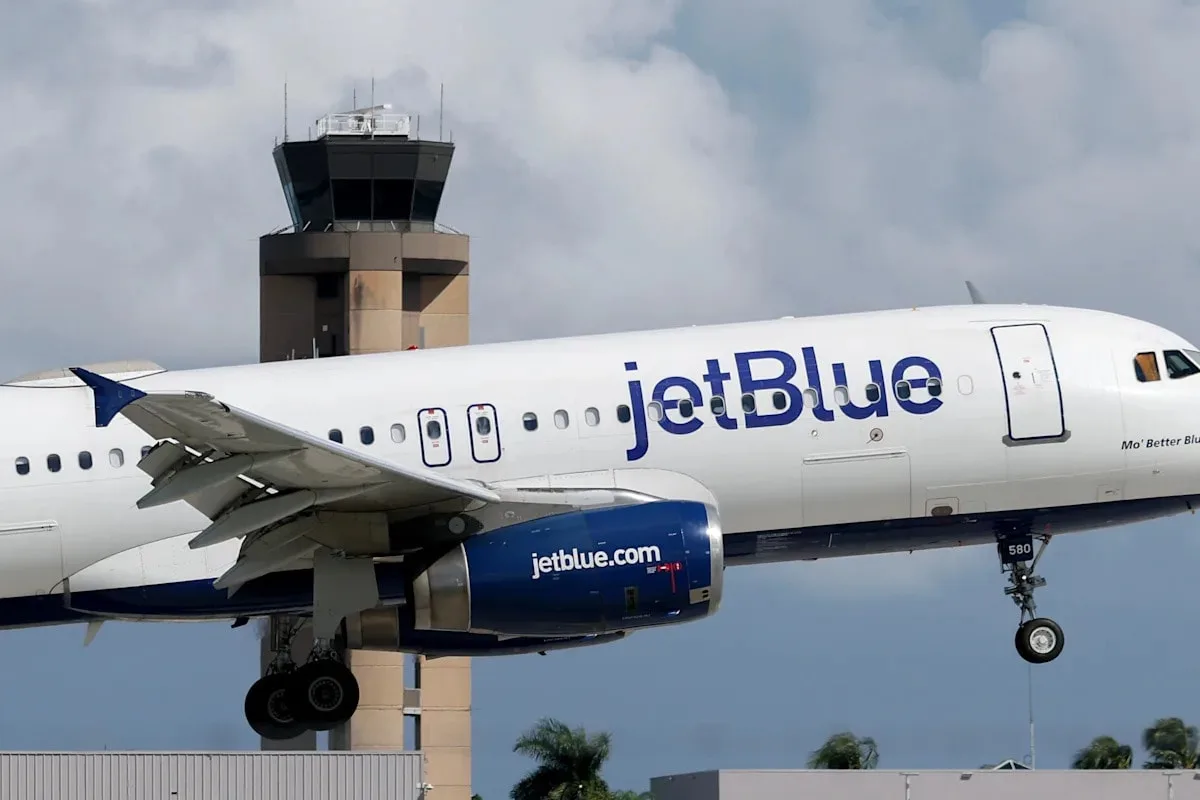
The FAA awarded $60.5 million in grants to Miami International and Fort Lauderdale-Hollywood airports for terminal and airfield modernization projects.
Key Takeaways
- •FAA grants provide $41.9 million to MIA for terminal and fuel farm upgrades.
- •FLL receives $18.6 million for the construction of a new taxi lane.
- •Funds are part of a $523 million national package under the AIG program.
- •Disbursements for fiscal year 2026 are expected to conclude by late 2026.
The Federal Aviation Administration (FAA) recently announced a significant capital injection for South Florida aviation, awarding a combined $60.5 million to Miami International Airport (MIA) and Fort Lauderdale-Hollywood International Airport (FLL). These awards, distributed through the Airport Infrastructure Grants (AIG) program, represent a critical effort to modernize aging facilities and accommodate surging passenger demand in the region.
Targeted Investments at MIA and FLL
Miami International Airport will receive $41.9 million, specifically earmarked for terminal reconstruction and the expansion of its critical fuel farm. This investment is designed to enhance operational capacity and bolster the airport’s fuel supply chain resilience. Meanwhile, Fort Lauderdale-Hollywood International Airport has been awarded $18.6 million to fund the construction of a new taxi lane. This project is expected to improve ground traffic flow and reduce congestion for carriers operating at the facility.
These grants are part of a broader $523 million funding package distributed by the FAA across 332 airport projects in 43 states. The AIG program, authorized under the 2021 Infrastructure Investment and Jobs Act (IIJA), provides a total of $14.5 billion over five years. The current tranche represents the final installment of $2.89 billion for fiscal year 2026.
Industry Context and Stakeholder Impact
For South Florida construction and engineering contractors, the $60.5 million capital infusion provides a substantial pipeline of work. Beyond the immediate construction benefits, airlines operating at MIA and FLL are expected to see improved operational efficiency and reduced ground congestion once these projects reach completion.
U.S. Transportation Secretary Sean P. Duffy stated that upgrading runway infrastructure remains essential to ushering in a 'Golden Age of Transportation' and providing families with a safer, smoother travel experience. FAA Administrator Bryan Bedford added that the agency is moving at record speed to deploy these investments to improve aviation system reliability and help airports meet growing demand.
However, some stakeholders remain cautious regarding the timeline of these improvements. According to local municipal officials and passenger advocacy groups, the pace of infrastructure upgrades is often criticized as too slow to address immediate operational failures, such as terminal disruptions or aging transit systems that continue to impact the passenger experience.
Historical Precedent and Modernization Trends
This latest funding follows a consistent pattern of federal support for Florida’s aviation hubs. In February 2024, the FAA awarded $112.5 million to 10 Florida airports, which included $50 million for a terminal connector at FLL and $27 million for automated people mover rehabilitation at MIA. The current trajectory suggests that the federal government is maintaining a phased approach to injecting capital into major South Florida hubs to counteract the effects of aging infrastructure.
The Path to Operational Efficiency
The ongoing modernization efforts across the U.S. reflect a broader industry trend of prioritizing airfield capacity and terminal sustainability. Similar to the projects in South Florida, other major hubs have received significant capital in this tranche, including $70 million for runway rehabilitation at Dallas-Fort Worth and $46.9 million for apron expansion at Charlotte. As the FAA moves toward the completion of fiscal year 2026 fund disbursements in late 2026, the focus remains on ensuring these projects translate into measurable improvements in ground-side and air-side performance.
Why This Matters for South Florida
For the regional aviation ecosystem, these grants are vital to maintaining the competitiveness of South Florida as a primary gateway for domestic and international travel. By addressing bottlenecks in fuel supply and ground movement, the FAA is positioning MIA and FLL to better handle the projected growth in passenger volume. The long-term success of these investments will depend on the ability of local airports to manage complex construction schedules without disrupting daily operations.
Frequently Asked Questions
- What is the purpose of the $41.9 million grant for Miami International Airport?
- The $41.9 million funding is specifically designated for terminal reconstruction and the expansion of the airport's fuel farm to improve operational capacity and supply chain resilience.
- How does the FAA fund these airport infrastructure grants?
- These grants are funded by the Airport Infrastructure Grants (AIG) program, which was established by the 2021 Infrastructure Investment and Jobs Act (IIJA) to provide $14.5 billion in funding over five years.
Visit omniflights.com for the latest commercial aviation news and airline industry updates. Discover how innovation is shaping aviation through aircraft systems, avionics, and digital tools at omniflights.com/technology.

Written by Hardik Vishwakarma
Co-Founder & Aviation News Editor leading initiatives that improve trust and visibility across the global aviation industry. Covers airlines, airports, safety, and emerging technology.
Visit ProfileYou Might Also Like

Lufthansa to Acquire 44.9% Stake in TAP Air Portugal
Avolon Orders 70 Rolls-Royce Trent 7000 Engines
IndiGo Secures $328M Financing for 8 Airbus Aircraft

Delta Air Lines Earnings: Fuel Costs Surge, Fares Rise
FTAI Aviation Acquires 27 WestJet Boeing 737-700 Aircraft