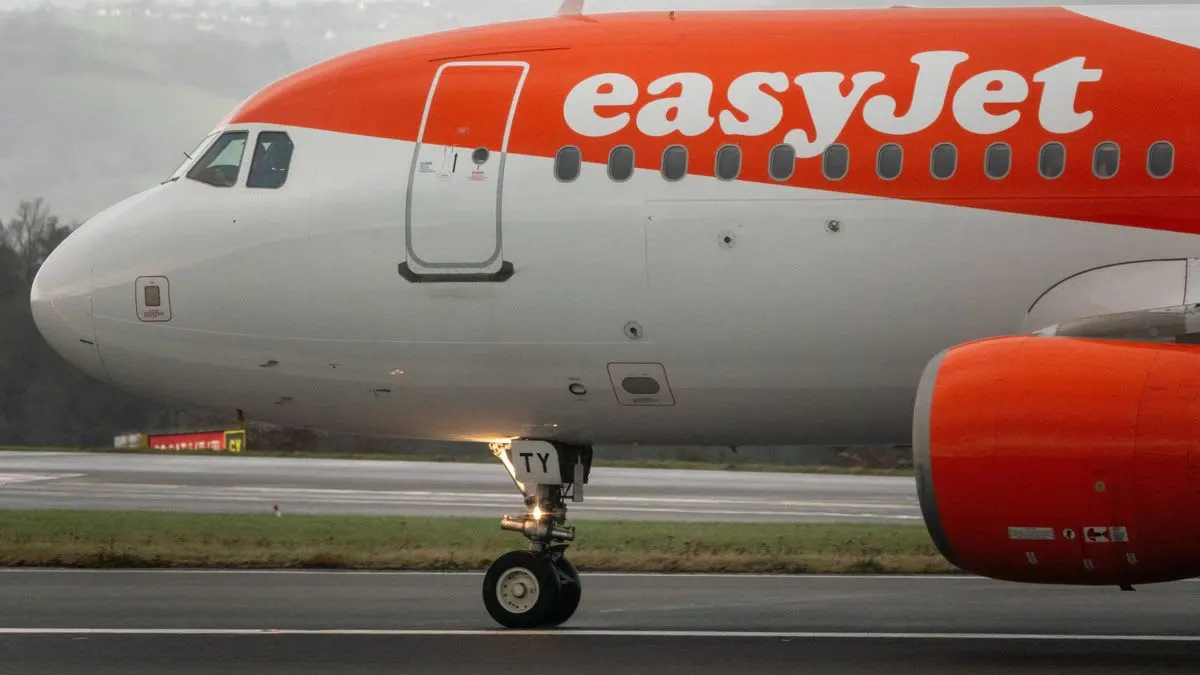
MAG Confirms Data Breach Affecting 8.7 Million Passengers

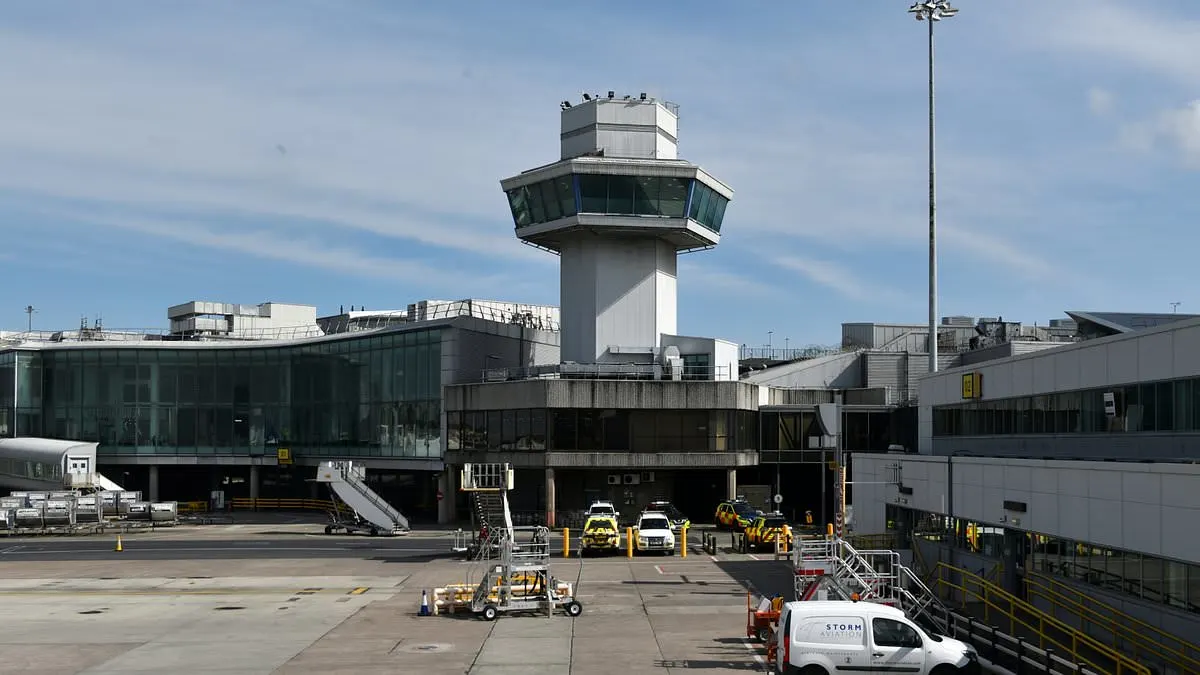
Manchester Airports Group confirmed that 8.7 million customer records were leaked by hackers after the operator refused to pay a ransom demand.
Key Takeaways
- •MAG confirmed 8.7 million customer records were leaked by FulcrumSec.
- •Breach targeted parking, lounge, and Wi-Fi booking systems.
- •Hackers withheld 200,000 future travel itineraries to avoid security risks.
- •ICO is expected to investigate MAG for potential UK GDPR violations.
The Scope of the Breach
The Manchester Airports Group (MAG) cyberattack has resulted in the public release of the Personally Identifiable Information (PII) of approximately 8.7 million customers. Following the MAG statement on cyber security incident, the operator confirmed that the breach, which occurred on August 22 and 23, 2026, targeted systems used for car park, lounge, and fast-track bookings, as well as passenger Wi-Fi access. Independent verification via the Manchester Airports Group Data Breach portal confirms that the dataset, published on the dark web on Tuesday, contains over 8.7 million unique customer records.
Impact on Passengers and High-Profile Individuals
While MAG stated that banking and payment details remained secure, the exposed files contain sensitive data linked to the travel movements of various high-profile individuals, including a circuit judge, parliamentary workers, and staff from the Home Office and the Bank of England. The FulcrumSec data breach also exposed the vehicle registrations and future travel plans of government officials. Cybersecurity expert Kevin Beaumont noted that the inclusion of both historical locations and planned future travel places individuals at increased risk, necessitating immediate precautionary measures for those affected.
Double Extortion Tactics in Aviation
This incident highlights a growing industry trend of "double extortion" without encryption, where threat actors prioritize data exfiltration and public disclosure over traditional ransomware that disrupts flight operations. By targeting peripheral systems such as marketing platforms and Wi-Fi portals, FulcrumSec successfully bypassed core flight safety systems while still gaining leverage. The group intentionally withheld approximately 200,000 future travel itineraries from the public leak, framing the omission as a protective measure against physical security risks like burglary, while simultaneously blaming MAG for the broader data exposure due to their refusal to pay the ransom.
Regulatory and Historical Context
Under the UK General Data Protection Regulation (UK GDPR), the Information Commissioner's Office (ICO) maintains the authority to investigate the security measures employed by MAG. The situation bears similarities to the 2020 easyJet data breach, which compromised 9 million customer records and resulted in significant litigation. Furthermore, the 2018 British Airways incident, which led to a £20 million fine from the ICO, underscores the severe financial and regulatory risks facing airport operators following large-scale cybersecurity failures. The ICO is expected to conduct a formal review of the MAG breach throughout 2027, which may lead to substantial financial penalties if security inadequacies are identified.
Why This Matters for Airport Security
For the aviation sector, this breach signals a critical shift in the threat landscape where airport-operated digital services have become primary targets for cyber-extortion groups. The exposure of vehicle registrations and PII creates long-term security risks for millions of passengers, forcing a re-evaluation of third-party digital integrations. For MAG, the incident necessitates an immediate overhaul of its cybersecurity posture to mitigate reputational damage and the looming threat of regulatory enforcement actions.
Frequently Asked Questions
- What types of passenger data were stolen in the MAG cyberattack?
- The stolen data included customer information from car park, lounge, and fast-track bookings, as well as details from passengers using airport Wi-Fi. MAG confirmed that banking and payment details were not compromised in the breach.
- Why did the hackers withhold some of the stolen passenger data?
- FulcrumSec claimed they withheld the future travel itineraries of approximately 200,000 passengers to prevent physical security risks, such as burglaries at the homes of individuals while they were away traveling.
For in-depth airline coverage and commercial aviation news, omniflights.com delivers timely industry insights. Follow aviation sustainability efforts, emissions research, and green initiatives in the Environmental section at omniflights.com/environmental.

Written by Shashank Shukla
Co-Founder & CTO leading the engineering and AI systems behind Omni Flights. Covers aviation technology, flight safety, aircraft manufacturing, and emerging aerospace developments.
Visit ProfileYou Might Also Like
Israel Bans United Airlines Pilot Over Pro-Iran Posts

Attack on Saudi King Fahd International Airport

LATAM Airlines A320 Engine Fire During Takeoff in Peru

Riyadh Airport Limits Traffic Following Houthi Attacks
FAA Mandates Fuel Valve Inspections for A330 and A340