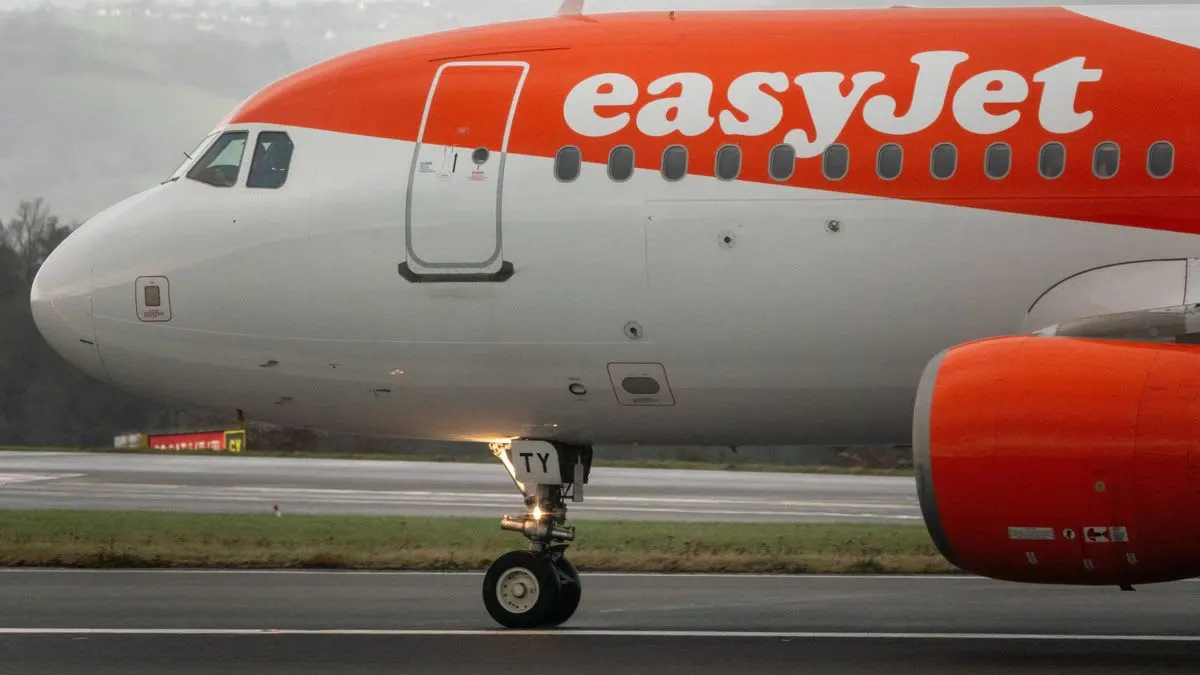
FAA Mandates Trent 7000 Oil Pump Fix for A330neo Fleet


The FAA issued an Airworthiness Directive requiring oil pump safeguards for Rolls-Royce Trent 7000 engines to prevent in-flight engine shutdowns.
Key Takeaways
- •FAA mandates oil pump safeguards for Trent 7000 engines by October 2, 2026.
- •Directive addresses in-flight engine shutdowns due to low oil pressure.
- •98 affected engines are currently installed on US-registered aircraft.
- •Delta Air Lines manages 39 A330-900s requiring component history audits.
Regulatory Action on Trent 7000 Engines
The Federal Aviation Administration (FAA) has finalized a new FAA Airworthiness Directive requiring enhanced lubrication and scavenge oil pump safeguards for Rolls-Royce Trent 7000 engines powering the Airbus A330neo family. This regulatory mandate, published in the Federal Register: Airworthiness Directives; Rolls-Royce Deutschland Ltd & Co KG Engines, addresses critical early-life failures of internal pump components. These failures have been linked to low oil pressure events and documented cases of in-flight engine shutdown, necessitating immediate intervention to maintain fleet safety standards.
Operational Impact and Implementation
The directive, which takes effect on October 2, 2026, requires operators to verify installation criteria for lubrication and scavenge oil pumps on Trent 7000-72 and -72C engine variants. This action aligns with the EASA Airworthiness Directive 2026-0141, which serves as the primary regulatory framework for these specific component non-conformities. The mandate affects approximately 98 engines currently installed on US-registered aircraft. For Delta Air Lines, which currently operates a fleet of 39 A330-900 aircraft, the directive creates a significant maintenance tracking requirement. Delta TechOps personnel must now audit the operating histories and installation criteria for these components, adding complexity to the carrier’s long-term fleet management strategy as it prepares to grow its widebody operations to 55 airframes by 2029.
Technical Context and Maintenance Costs
Compliance with the directive involves specific labor and screening requirements. The FAA estimates a labor cost of $42.50 per engine to verify installation criteria, while additional screening tests, when required, carry a cost of $340 per engine. Rolls-Royce is tasked with providing updated Non-Modification Service Bulletin (NMSB) documentation to guide operators through these inspections. These measures reflect a broader industry trend toward proactive regulatory intervention for new-generation engine components. By addressing potential failure points before they accumulate significant flight hours, regulators aim to avoid the systemic durability issues that characterized earlier engine programs.
Historical Precedents in Engine Durability
The current situation echoes the challenges faced during the rollout of the Rolls-Royce Trent 1000, which shares core architectural similarities with the Trent 7000. In 2018 and 2019, early-life durability issues on the Trent 1000 led to extensive Boeing 787 groundings and mandatory blade inspections. The current regulatory response to the Trent 7000 oil pump issues aims to mitigate similar risks by enforcing strict component tracking early in the engine’s service life, contrasting with the reactive measures required during the Trent 1000 program.
Trent 7000 vs. Trent 700: Key Specifications
| Metric | Trent 7000 | Trent 700 |
|---|---|---|
| Maximum Thrust | 72,834 lbf | 71,100 lbf |
| Bypass Ratio | 10:1 | 5:1 |
Why Delta Air Lines Is Monitoring Implementation
For major operators like Delta, the directive introduces an unplanned administrative burden that complicates near-term maintenance planning. The need to track specific pump installation histories across a growing fleet requires precise coordination between engineering teams and the engine manufacturer. As the industry shifts toward more rigorous, data-driven maintenance cycles, the ability to rapidly implement such directives while maintaining schedule reliability remains a critical operational priority for widebody operators.
Frequently Asked Questions
- What is the purpose of the new FAA Airworthiness Directive for the Trent 7000 engine?
- The directive mandates installation criteria and screening tests for lubrication and scavenge oil pumps to prevent low oil pressure events and in-flight engine shutdowns.
- How many aircraft in the Delta Air Lines fleet are affected by the Trent 7000 directive?
- Delta Air Lines currently operates 39 A330-900 aircraft, all of which are subject to the new maintenance and tracking requirements mandated by the FAA.
Visit omniflights.com for the latest commercial aviation news and airline industry updates. Discover how innovation is shaping aviation through aircraft systems, avionics, and digital tools at omniflights.com/technology.

Written by Shashank Shukla
Co-Founder & CTO leading the engineering and AI systems behind Omni Flights. Covers aviation technology, flight safety, aircraft manufacturing, and emerging aerospace developments.
Visit ProfileYou Might Also Like
Israel Bans United Airlines Pilot Over Pro-Iran Posts
Attack on Saudi King Fahd International Airport
LATAM Airlines A320 Engine Fire During Takeoff in Peru
Riyadh Airport Limits Traffic Following Houthi Attacks
FAA Mandates Fuel Valve Inspections for A330 and A340