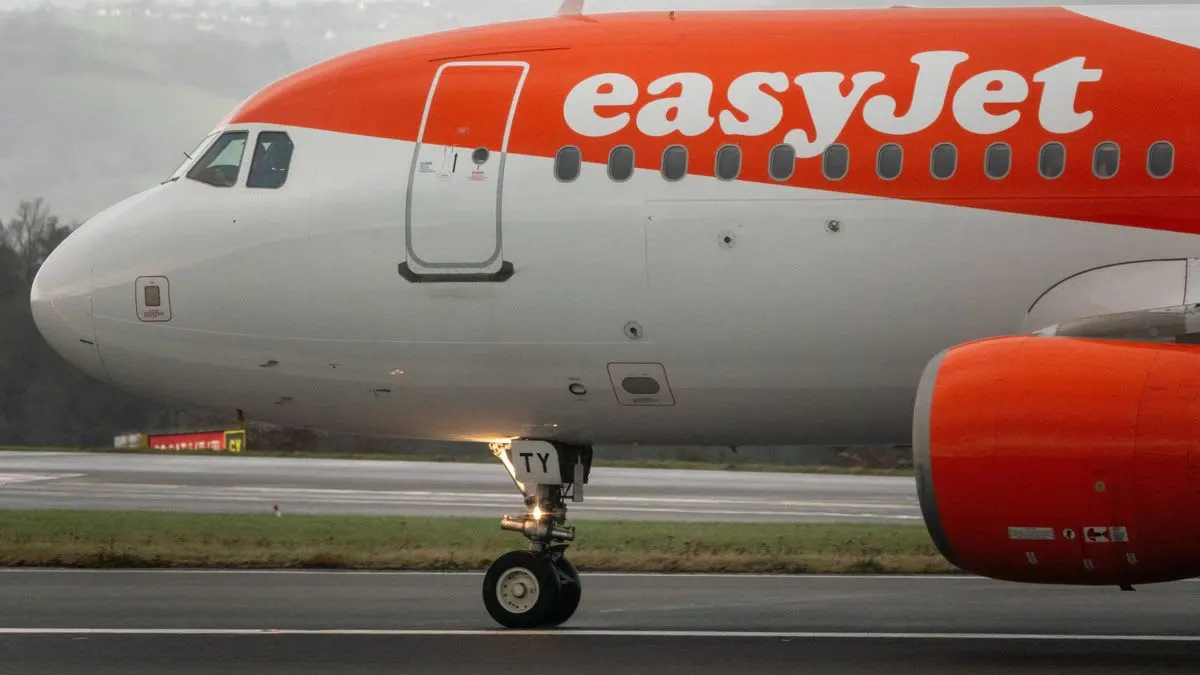
Climate Change Increases Aviation Delays and Turbulence


Rising climate volatility is increasing flight disruptions, turbulence, and flood risks, forcing aviation to invest in new mitigation and technology.
Key Takeaways
- •Severe clear-air turbulence over the North Atlantic increased 55% since 1979.
- •269 global airports face current risks from coastal flooding.
- •Global airport climate mitigation could cost up to $57 billion.
- •Aviation aims for carbon neutrality by 2050 amid fleet growth.
The Growing Challenge of Weather-Related Disruption
Aviation climate change impacts are increasingly manifesting as operational volatility, with passengers facing more frequent delays and cancellations due to unstable weather systems. In late June, severe convective storms over the south of England triggered significant congestion at London's major hubs. According to the UK Civil Aviation Authority, approximately 900 flights to and from Heathrow and Gatwick were delayed—some by up to 11 hours—as air traffic controllers struggled to reroute aircraft around volatile storm cells. This incident serves as a bellwether for an industry bracing for a future where such disruptions may become routine rather than exceptional.
The Threat of Clear-Air Turbulence
Beyond convective weather, the industry is grappling with a sharp rise in Clear-air turbulence aviation incidents. This invisible, high-altitude hazard is becoming more prevalent as climate change alters the jet stream. Hazardous clear-air turbulence up 55% from 1979, study shows - AGU Newsroom confirms that severe incidents over the North Atlantic have increased by 55% since 1979, a trend identified by researchers at the University of Reading. While rare, these events can cause significant injury, as demonstrated by a 2023 incident on a Lufthansa flight that resulted in an emergency landing and hospitalizations.
Operational Resilience and Technology
To manage the narrowing margins of safe airspace, air navigation service providers are increasingly adopting Time-based separation air traffic systems. The National Air Traffic Services (NATS) has implemented the Intelligent Approach system at Heathrow and Gatwick to replace static distance-based spacing with dynamic intervals. This technology calculates spacing based on wind speeds and aircraft types, allowing controllers to maintain landing rates during strong headwinds. Despite such innovations, experts like Tim Atkinson, an airline risk consultant, warn that rapid climate change could eventually overwhelm existing coping mechanisms, potentially forcing multi-airport closures with little notice.
Airport Flooding and Infrastructure Costs
Airport flooding mitigation is emerging as a massive capital expenditure requirement. With 269 airports worldwide currently at risk of coastal flooding, the infrastructure challenge is immense. The April 2024 flooding at Dubai International Airport, which caused the cancellation of over 1,200 flights, highlights the vulnerability of major hubs to extreme rainfall. Research from Newcastle University estimates that protecting global aviation infrastructure from rising sea levels over the next century could cost up to $57 billion. While airports like Gatwick continue to invest in flood defenses, these costs are significant, with Gatwick alone planning over £2 billion in expansion-related investments.
Technical Analysis: The Fuel-Weather Nexus
As convective weather becomes more unpredictable, the strategic planning of flight paths faces a tactical shift. Current onboard weather radars provide visibility up to 320 nautical miles, but they remain essentially tactical tools. This limitation often forces late-flight diversions, which increase fuel burn. Under existing regulatory frameworks, such as the IFR Fuel Reserve Requirements, airlines are mandated to carry sufficient fuel to reach an alternate airport plus a 30-minute hold. If storm-related delays continue to escalate, airlines may be forced to load higher contingency fuel as a standard practice, inevitably driving up operational costs and ticket prices.
What Comes Next: The 2050 Net-Zero Milestone
The aviation industry remains committed to achieving net-zero carbon emissions by 2050. However, this target coincides with an anticipated doubling of the global aircraft fleet over the next two decades. The industry must balance this growth against the escalating costs of climate adaptation, including advanced laser-based turbulence detection and massive investments in flood-resilient infrastructure. As Andrew Charlton of Aviation Advocacy notes, while the industry is highly resilient, passengers should expect more frequent 'disagreeable moments' as a standard feature of future air travel.
Why This Matters for Global Connectivity
The cumulative impact of these climate-related risks signals a structural shift in how aviation networks are managed. For airlines, the focus is shifting from simple efficiency to robust contingency planning. For passengers, the reality of climate change means that weather-related disruptions are no longer isolated events but part of a new operational baseline that requires greater patience and flexibility in travel planning.
Frequently Asked Questions
- Why is clear-air turbulence increasing in aviation?
- Clear-air turbulence is increasing because climate change is altering the jet stream and increasing wind shear at high altitudes. Research indicates a 55% increase in severe clear-air turbulence over the North Atlantic since 1979.
- How do airports manage landing capacity during stormy weather?
- Airports like Heathrow and Gatwick use Time-Based Separation (TBS) systems. This technology calculates spacing between arriving aircraft based on time and wind conditions rather than fixed distance, allowing for safer and more frequent landings during strong headwinds.
Visit omniflights.com for the latest commercial aviation news and airline industry updates. From aircraft production to supply chains, commercial aviation manufacturing news is covered at omniflights.com/manufacturing.

Written by Shashank Shukla
Co-Founder & CTO leading the engineering and AI systems behind Omni Flights. Covers aviation technology, flight safety, aircraft manufacturing, and emerging aerospace developments.
Visit ProfileYou Might Also Like
Israel Bans United Airlines Pilot Over Pro-Iran Posts

Attack on Saudi King Fahd International Airport
LATAM Airlines A320 Engine Fire During Takeoff in Peru
Riyadh Airport Limits Traffic Following Houthi Attacks
FAA Mandates Fuel Valve Inspections for A330 and A340