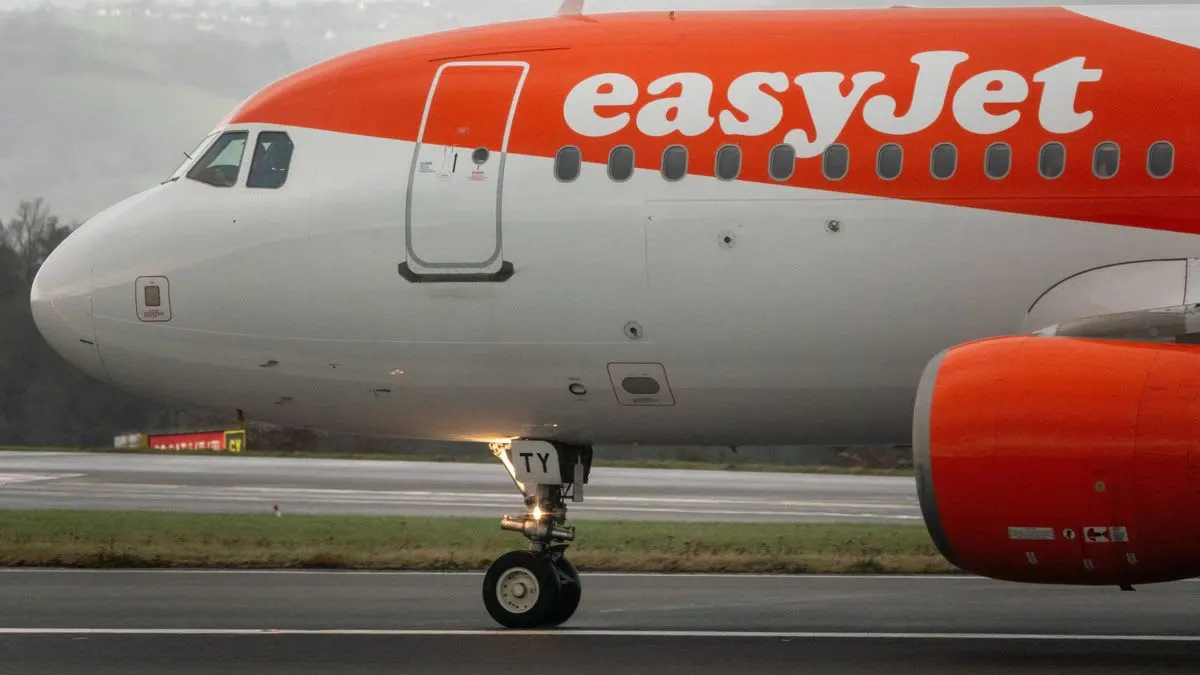
Malaysia Airlines MH156 Makes Emergency Landing in Chennai

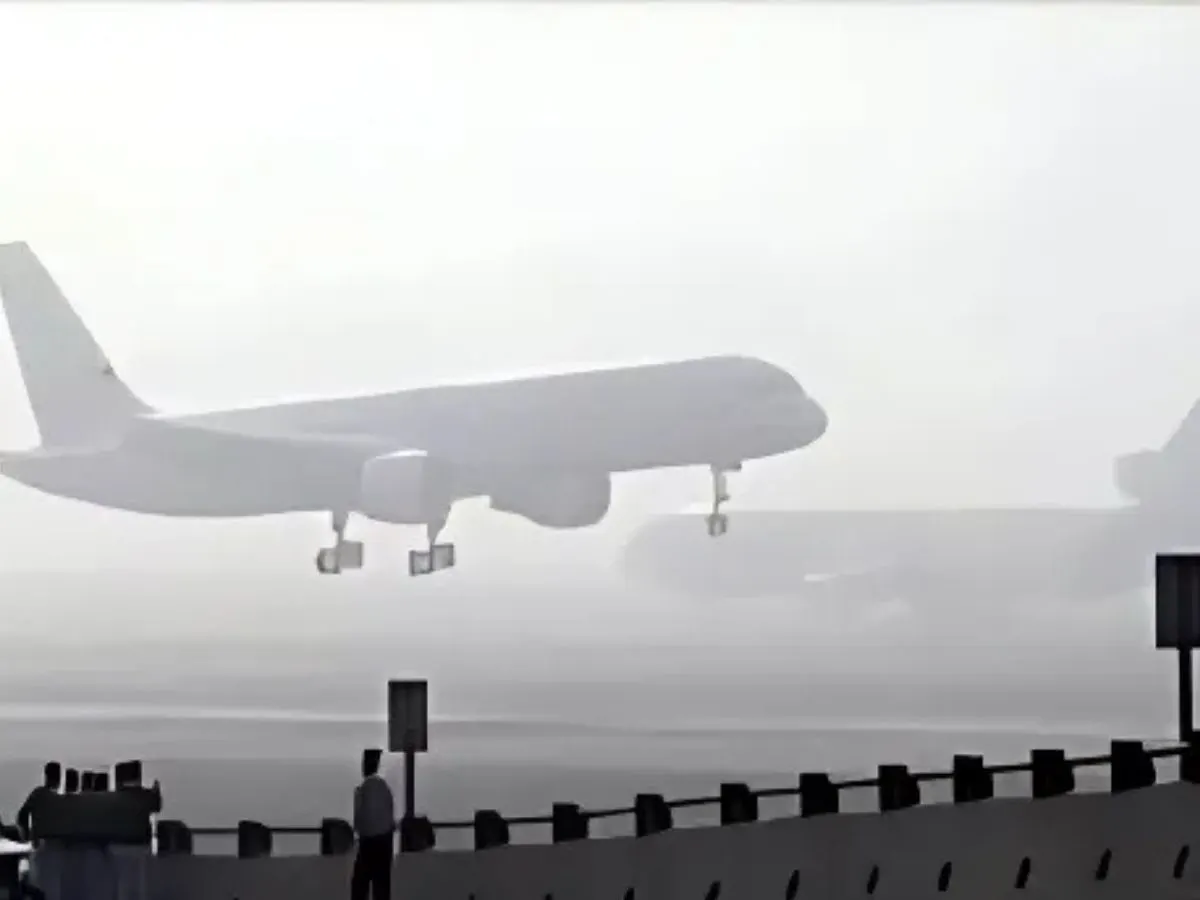
Malaysia Airlines flight MH156 landed safely in Chennai after an Engine No. 2 failure, with all 186 passengers onboard remaining unharmed.
Key Takeaways
- •Malaysia Airlines MH156 landed safely in Chennai after an Engine No. 2 failure.
- •All 186 passengers on the A330-200 were evacuated without injury.
- •DGCA India is investigating the engine failure with a report expected in Q4 2026.
- •The incident follows a recent pattern of engine-related snags in regional aviation.
Malaysia Airlines MH156 Emergency Diversion
Malaysia Airlines flight MH156 made an emergency landing at Chennai International Airport (MAA) on September 7, 2026, following an in-flight Engine No. 2 failure. The flight, which was en route from Kuala Lumpur International Airport (KUL) to King Abdulaziz International Airport (JED) in Jeddah, was operated by an Airbus A330-200 (registration 9M-MTY). The aircraft successfully touched down at 4:44 pm IST, four minutes after its revised emergency schedule, with all 186 passengers onboard disembarking safely without injury.
Operational Impact and Emergency Response
The emergency alert was initiated at 4:07 pm IST after the flight crew reported a technical issue with the engine. Upon the aircraft's arrival, it was assigned to Bay 45, where established emergency response protocols were fully activated. A spokesperson for the Chennai airport confirmed that the landing was smooth and that normal airport operations remained unaffected by the diversion. Malaysia Airlines has deployed technical teams to the site to conduct a comprehensive assessment of the aircraft and the specific nature of the mechanical failure.
Regulatory Oversight and Safety Protocols
The incident falls under the purview of the Directorate General of Civil Aviation (DGCA) of India, which is responsible for overseeing the safety investigation. The event highlights the role of Extended-range Twin-engine Operations Performance Standards (ETOPS) in modern aviation, which governs the certification requirements allowing twin-engine aircraft to safely complete flights and execute diversions on a single functioning engine. While the industry maintains that standard operating procedures are designed to mitigate risks during in-flight engine shutdowns, some consumer advocates have expressed concerns that recurring technical snags across the Asia-Pacific region may reflect broader supply chain and maintenance challenges.
Regional Comparison and Industry Context
This incident follows a similar occurrence on September 1, 2026, involving IndiGo flight 6E 2102. In that event, the flight carrying 229 passengers from Goa to Delhi was diverted back to its origin due to engine issues. Historically, this pattern of engine-related snags has been observed recently, including the August 20, 2026, incident where a Malaysia Airlines A330-300 flight aborted takeoff at Tokyo Narita due to engine smoke. Another recent regional event involved an Air India Express flight returning to Kochi due to oil pressure loss, underscoring the reliability of single-engine diversion protocols in the current operational landscape.
Technical Analysis of A330-200 Performance
Modern widebody aircraft like the Airbus A330-200 are engineered with significant safety margins to handle critical system failures. The current fleet trend suggests an increased frequency of in-flight engine shutdowns, which industry analysts attribute to ongoing global supply chain constraints and maintenance cycles. However, the successful outcome of both the MH156 and 6E 2102 diversions demonstrates the robustness of existing safety protocols. The industry is currently managing a cycle of fleet maintenance that requires rigorous adherence to manufacturer-specified inspection intervals to ensure the continued airworthiness of widebody assets.
Investigation Timeline and Next Steps
The DGCA is expected to release a preliminary investigation report regarding the MH156 engine failure by Q4 2026. This report will likely clarify the specific mechanical cause of the failure and determine if any fleet-wide maintenance adjustments are required for the A330-200 series. In the interim, Malaysia Airlines continues to manage the grounded aircraft in Chennai, with potential short-term capacity adjustments expected on the KUL-JED route while the widebody asset remains out of service.
Why This Matters for Aviation Safety
For aviation professionals, the safe diversion of MH156 serves as a validation of established ETOPS safety frameworks. The ability of the flight crew to execute a controlled landing on a single engine highlights the efficacy of pilot training and emergency response coordination. As the industry navigates a period of heightened engine-related technical snags, the focus remains on whether these incidents represent isolated mechanical failures or a systemic shift in maintenance reliability across the Asia-Pacific region.
Frequently Asked Questions
- What caused the emergency landing of Malaysia Airlines flight MH156?
- The emergency landing was caused by a technical failure of the aircraft's Engine No. 2 while in transit from Kuala Lumpur to Jeddah.
- Are there any safety concerns regarding the Airbus A330-200 after this incident?
- While the incident is being investigated by the Directorate General of Civil Aviation, the aircraft successfully utilized standard twin-engine safety protocols to land safely. The industry maintains that modern twin-engine aircraft are designed to handle such failures through established ETOPS safety frameworks.
Stay ahead of the airline industry with commercial aviation news from omniflights.com. Discover how innovation is shaping aviation through aircraft systems, avionics, and digital tools at omniflights.com/technology.

Written by Shashank Shukla
Co-Founder & CTO leading the engineering and AI systems behind Omni Flights. Covers aviation technology, flight safety, aircraft manufacturing, and emerging aerospace developments.
Visit ProfileYou Might Also Like
Israel Bans United Airlines Pilot Over Pro-Iran Posts

Attack on Saudi King Fahd International Airport
LATAM Airlines A320 Engine Fire During Takeoff in Peru
Riyadh Airport Limits Traffic Following Houthi Attacks
FAA Mandates Fuel Valve Inspections for A330 and A340