Lufthansa Eyes Asia Pacific Growth Despite 2026 Headwinds

Co-Founder & CEOAviation News Editor delivering trusted coverage across the global aviation industry.
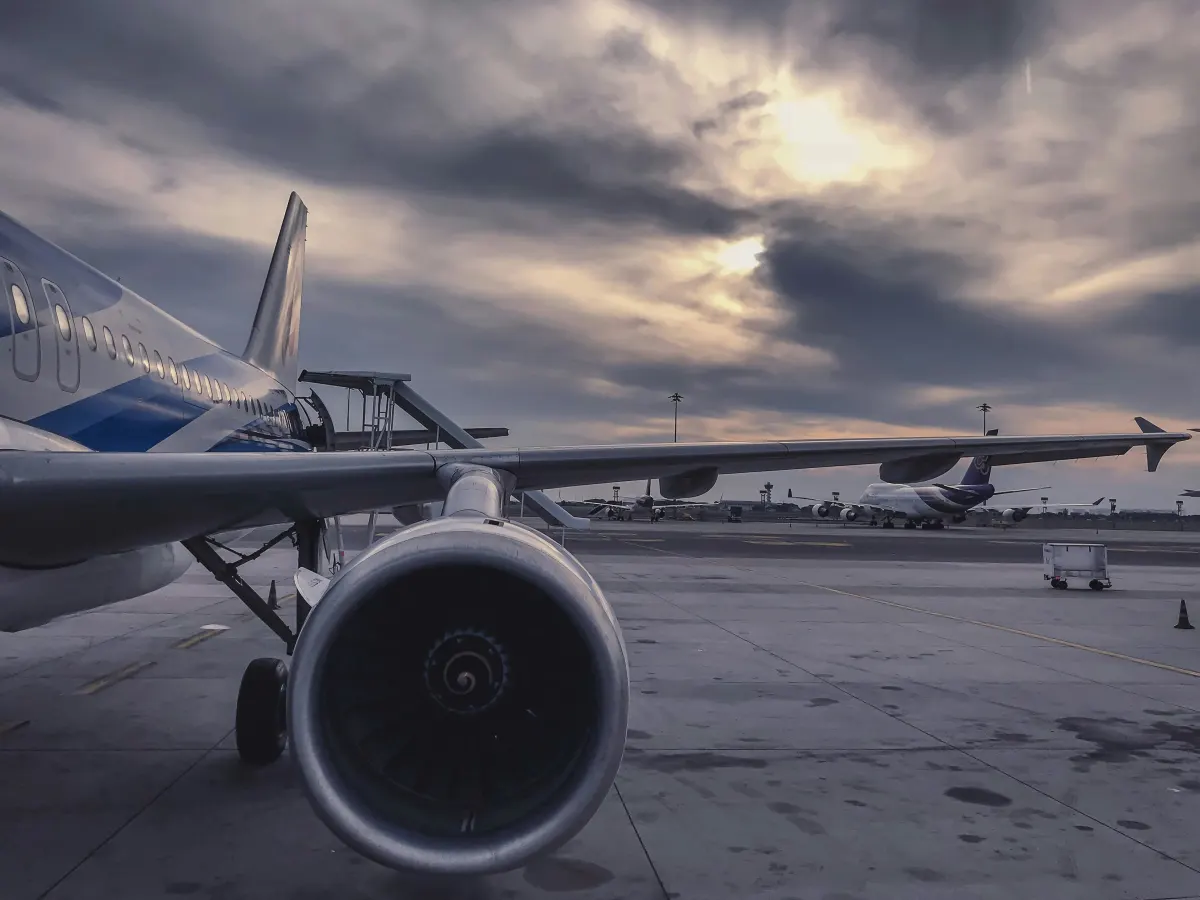
Lufthansa expects a challenging second half of 2026 as geopolitical risks and fuel costs impact the global airline industry.
Key Takeaways
- •IATA cut 2026 global airline profit forecasts to $23 billion.
- •Jet fuel prices surged 70% due to Middle East geopolitical conflict.
- •Lufthansa continues to see strong growth opportunities in Asia Pacific.
- •Carriers remain cautious on resuming normal Middle East flight paths.
Navigating a Volatile Market
Lufthansa expects the second half of 2026 to remain challenging for global carriers, even as oil prices begin to ease. Despite these headwinds, the Lufthansa Group continues to target Lufthansa Asia Pacific growth as a key strategic pillar, citing resilient passenger demand in the region. Felipe Bonifatti, Lufthansa Group’s vice president for Asia Pacific and joint ventures East, noted that geopolitical instability, elevated operating costs, and sustainability pressures continue to constrain the industry.
The Financial Impact of Geopolitical Instability
The aviation sector faced significant turbulence in the first half of 2026. According to the International Air Transport Association (IATA), the IATA 2026 profit forecast has been nearly halved to $23 billion, down from a previous projection of $41 billion. This downward revision reflects a significant contraction in profitability, with the industry's net profit margin now projected to fall to 2.0%, compared to 4.2% in 2025. This financial strain is largely attributed to Middle East airspace disruptions following the outbreak of conflict involving Iran in late February, which forced carriers to suspend or reroute flights, and a 70% surge in airline industry fuel costs triggered by supply uncertainty in the Strait of Hormuz.
Operational Challenges and Safety Assessments
While a recent ceasefire has provided a degree of stability, Lufthansa maintains a cautious outlook. Mr. Bonifatti emphasized that the cessation of hostilities does not equate to an immediate return to normal operations. Airlines must conduct rigorous safety assessments before resuming standard flight paths through the Middle East. The current environment follows a pattern of geopolitical airspace fragmentation, where carriers are increasingly forced to utilize longer, less efficient routes. This trend mirrors the operational challenges seen after the 2022 Russian airspace closure, which necessitated permanent, costly reroutings for Europe-Asia services.
Historical Precedents in Airspace Management
The current situation echoes the aftermath of the 2020 incident involving Flight 752, which led to a prolonged suspension of flights over Iranian and Iraqi airspace. Historical data suggests that airlines prioritize safety margins long after initial geopolitical tensions subside. For European network airlines, the current operational landscape is particularly difficult, as they face the dual burden of higher jet fuel prices and increased fuel burn from extended flight paths. Conversely, Middle Eastern hub carriers face significant risks regarding the loss of transit traffic as international airlines bypass the region.
Technical Analysis: The Cost of Rerouting
The industry is currently grappling with a structural increase in operating expenses. The combination of elongated flight trajectories and the 70% increase in jet fuel prices has severely compressed margins. Analytical data indicates that for carriers like Lufthansa, the efficiency losses from avoiding conflict zones are not merely temporary; they represent a significant shift in the cost structure for long-haul operations. As airlines attempt to pass these costs to consumers, the industry faces a delicate balance between maintaining capacity and managing ticket pricing to ensure sustained demand. The trajectory for the remainder of the year will likely be defined by how effectively airlines can optimize their remaining network capacity while managing these persistent inflationary pressures.
Resumption of Operations
Looking ahead, the resumption of normal Middle Eastern airspace routings is expected to be a gradual process occurring in late 2026. This timeline remains subject to the risk assessments provided by civil aviation authorities and internal airline security departments. Carriers will likely adopt a phased approach, prioritizing safety and regulatory compliance over the immediate restoration of pre-conflict flight schedules.
Why This Matters for the Industry
This development signals a broader shift in how global airlines manage geopolitical risk as a permanent component of operational planning. For the industry, the compression of profit margins underscores the vulnerability of international networks to localized conflicts. The focus on the Asia-Pacific market serves as a hedge against these regional pressures, positioning carriers to capture growth where demand remains robust despite the broader global economic uncertainty.
Frequently Asked Questions
- Why did the IATA reduce its 2026 global profit forecast?
- The International Air Transport Association reduced its 2026 profit forecast to $23 billion due to significant disruptions in Middle Eastern airspace and a 70% surge in jet fuel prices.
- How are geopolitical conflicts impacting long-haul flight routes?
- Geopolitical conflicts, such as the conflict involving Iran and the closure of Russian airspace, have forced airlines to adopt longer and less efficient flight paths to avoid restricted zones, significantly increasing fuel consumption and operating costs.
For in-depth airline coverage and commercial aviation news, omniflights.com delivers timely industry insights. Stay informed on aviation incidents, investigations, and best practices in the Safety category at omniflights.com/safety.

Written by Hardik Vishwakarma
Co-Founder & Aviation News Editor leading initiatives that improve trust and visibility across the global aviation industry. Covers airlines, airports, safety, and emerging technology.
Visit ProfileYou Might Also Like
Discover more aviation news based on similar topics
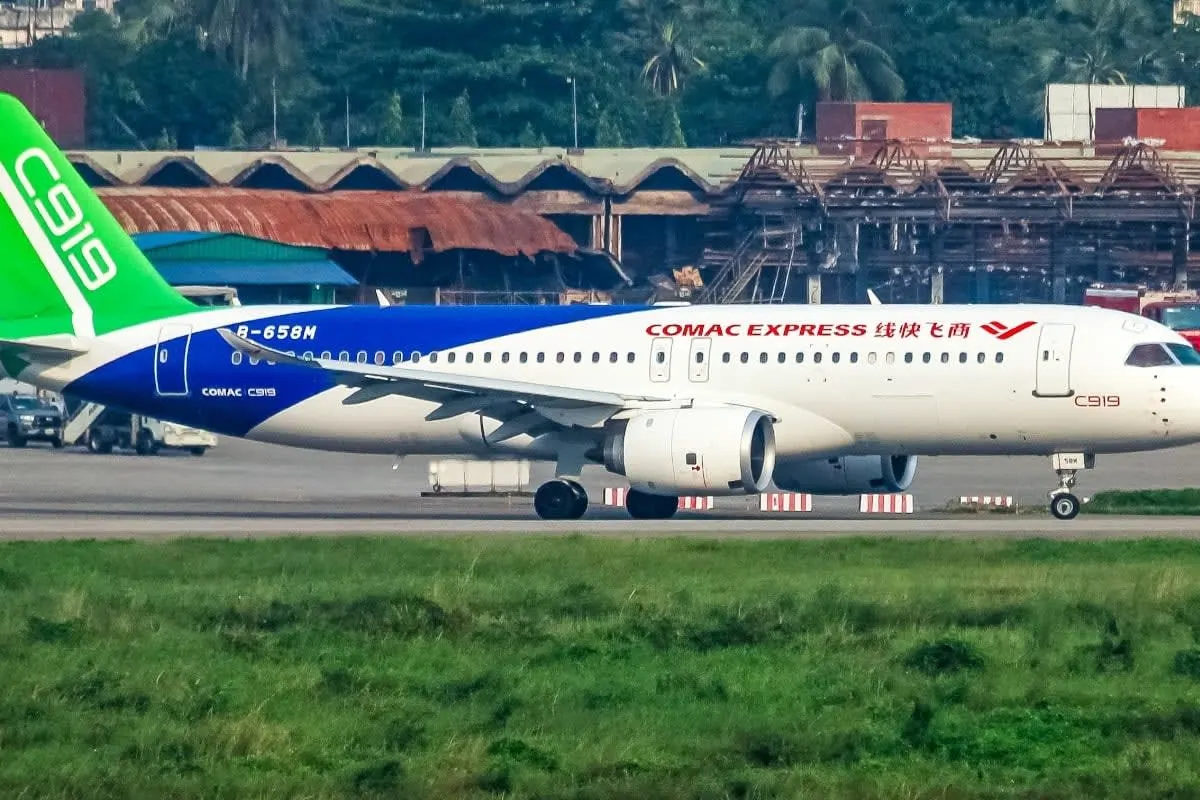
US Slows Aircraft-Part Exports to China Amid Trade Truce
The US is slowing export licenses for aircraft parts to China, using aviation dependencies as leverage in ongoing trade negotiations.
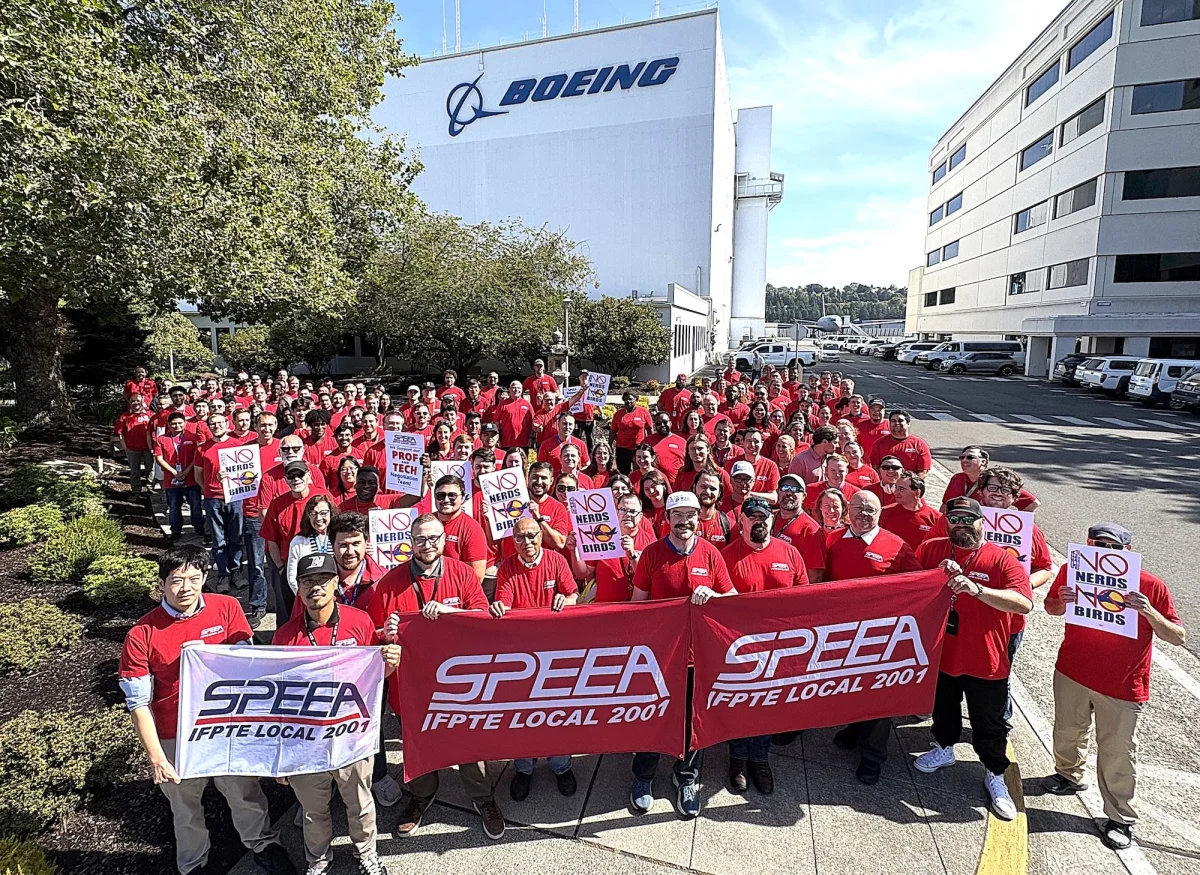
Boeing Tightens Spending Ahead of Critical SPEEA Union Vote
Boeing has implemented spending controls and a hiring freeze as it faces a critical contract ratification vote with its 17,000-member engineering union.

Boeing CEO Kelly Ortberg Warns of 777X Certification Delay
Boeing CEO Kelly Ortberg warned that a potential strike by 17,000 engineers would immediately halt the 777X certification and production programs.
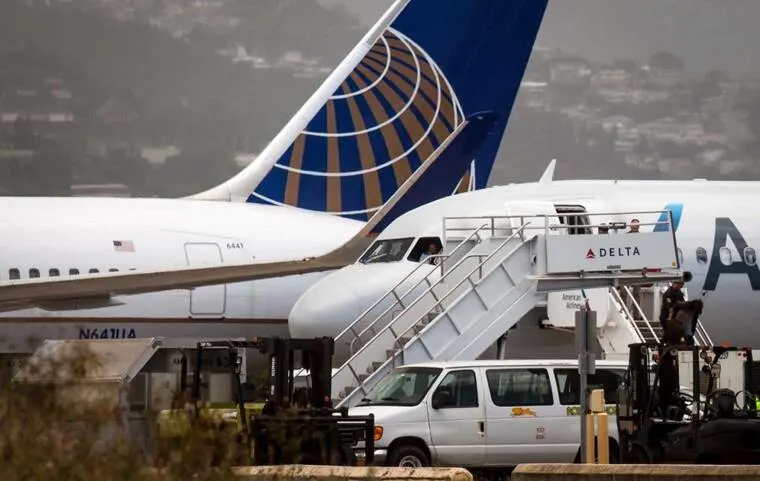
American and United Plan Capacity Cuts Amid Fuel Cost Surge
American and United are trimming flight schedules to offset a $1 billion fuel cost spike while maintaining strong pricing power.
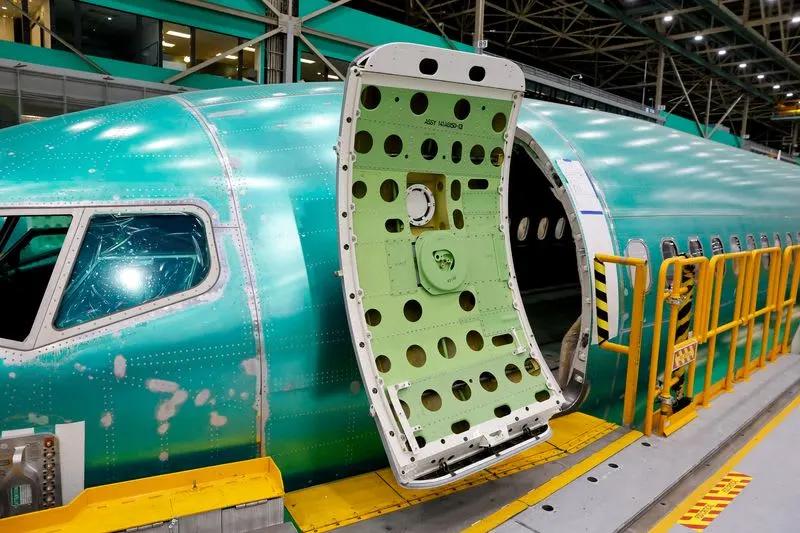
Boeing CEO Reports 737 MAX Output Stabilization Delays
Boeing CEO Kelly Ortberg reports slower 737 MAX production stabilization, prompting a downward revision in 2026 free cash flow expectations to $2 billion.
Boeing Finalizes KAL Order, Salvages Turkish Airlines Deal
Boeing secured a $36.2 billion order from Korean Air Lines for 103 aircraft and nears a resolution on a 150-jet deal with Turkish Airlines.