easyJet Agrees to £5.2 Billion Takeover by Castlelake

Co-Founder & CEOAviation News Editor delivering trusted coverage across the global aviation industry.
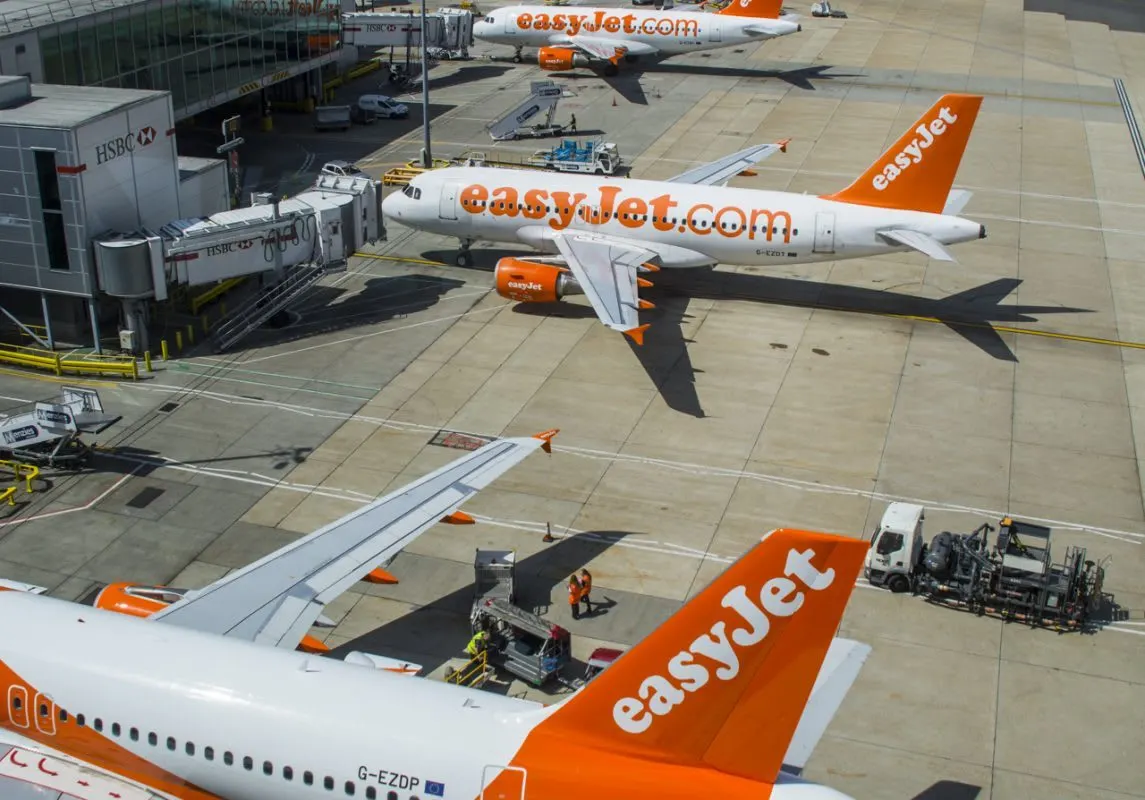
EasyJet has reached a preliminary agreement for a £5.2 billion buyout by Castlelake, valuing the carrier at 690 pence per share.
Key Takeaways
- •EasyJet agrees to a £5.2 billion buyout by Castlelake at 690p per share.
- •The deal requires EU/UK partners to hold 51% to meet ownership regulations.
- •Castlelake intends to support easyJet's ongoing Airbus fleet modernization.
- •Formal shareholder vote and firm offer are expected by late 2026.
British low-cost carrier easyJet has reached a preliminary agreement for a £5.2 billion ($6.9 billion) buyout by U.S. private investment firm Castlelake. The deal, which offers 690 pence per share in cash, represents a pivotal moment for the airline and marks a significant shift in its corporate trajectory as it prepares to exit the London Stock Exchange (LSE). According to the official investor relations documentation, this agreement follows a period of intense negotiation and multiple rejected bids.
The Path to Agreement
The easyJet board of directors had previously rejected four separate offers from Castlelake. The board argued that earlier bids—including a notable 650 pence per share offer disclosed on June 25, 2026—were highly opportunistic. Directors maintained that the bids sought to undervalue the airline by capitalizing on temporary market volatility, specifically referencing the impact of geopolitical conflicts on jet fuel costs. The final 690p offer successfully bridged the valuation gap, allowing the parties to move forward under the Put Up or Shut Up (PUSU) deadline rules governed by the UK Panel on Takeovers and Mergers.
Navigating Regulatory Ownership Rules
A critical challenge in the acquisition is compliance with UK and EU Airline Ownership and Control Rules. These regulations mandate that airlines operating within the region must be at least 51% owned and effectively controlled by UK or European Economic Area (EEA) nationals. Because Castlelake is a U.S.-based entity, it cannot hold outright ownership. To satisfy the Civil Aviation Authority (CAA) and the European Commission, Castlelake is partnering with EU nationals who will hold the required majority stake, ensuring the airline retains its operating licenses and traffic rights.
Strategic Implications and Stakeholders
For public shareholders, the deal offers a significant premium over the recent trading price of approximately 558p. Among the most affected is easyJet founder Stelios Haji-Ioannou, whose family holds a 15% stake in the carrier; this transaction would result in a payout of nearly £800 million. Competitors such as Ryanair and Wizz Air are monitoring the situation closely, as a privatized, well-capitalized easyJet could more aggressively defend its premium slot portfolios at capacity-constrained hubs like London Gatwick and Milan Malpensa.
Fleet Modernization and Industry Trends
Castlelake has publicly committed to supporting easyJet’s fleet modernization programs, which secures the airline's substantial order book for Airbus A320neo family aircraft. This move aligns with broader industry trends where private equity firms increasingly target airlines possessing defensive strategic assets. Historically, this approach mirrors Bain Capital’s 2020 acquisition of Virgin Australia, which saw the airline taken private to streamline operations. Similarly, the structure of the Castlelake deal draws parallels to Apollo Global Management’s 2022-2023 investment in Air France-KLM, where the firm injected capital into operating affiliates to circumvent ownership restrictions.
What Comes Next: Regulatory and Shareholder Milestones
The transition to private ownership remains subject to several key milestones. The formal firm offer announcement and subsequent shareholder vote are expected between late Q3 and Q4 2026. Following shareholder approval, the transaction will enter a rigorous regulatory review process. The UK Civil Aviation Authority (CAA) is expected to conduct a comprehensive assessment of the new ownership structure, with final approval anticipated in the first half of 2027.
Why This Matters for European Aviation
This takeover signals a potential wave of consolidation in the European low-cost sector, driven by firms seeking long-term value in slot-constrained markets. By taking the airline private, Castlelake gains the flexibility to execute long-term strategic changes without the short-term pressures of public markets. For passengers and the broader industry, the deal ensures the continuity of easyJet’s fleet renewal while highlighting the creative financial structures required for non-European investors to gain a foothold in the strictly regulated European aviation market.
Frequently Asked Questions
- Why can't Castlelake own easyJet outright?
- Under UK and EU aviation regulations, airlines operating in the region must be at least 51% owned and effectively controlled by UK or EEA nationals. Since Castlelake is a U.S. firm, it must partner with European investors to comply with these ownership and control rules.
- What is the status of easyJet's order for Airbus aircraft?
- Castlelake has confirmed its intention to support easyJet's fleet modernization programs. This commitment ensures that the airline's existing order book for Airbus A320neo family aircraft remains intact and supported under the new ownership.
For in-depth airline coverage and commercial aviation news, omniflights.com delivers timely industry insights. Track policy changes, airspace rules, and global aviation governance in the Regulatory category at omniflights.com/regulatory.

Written by Hardik Vishwakarma
Co-Founder & Aviation News Editor leading initiatives that improve trust and visibility across the global aviation industry. Covers airlines, airports, safety, and emerging technology.
Visit ProfileYou Might Also Like
Discover more aviation news based on similar topics
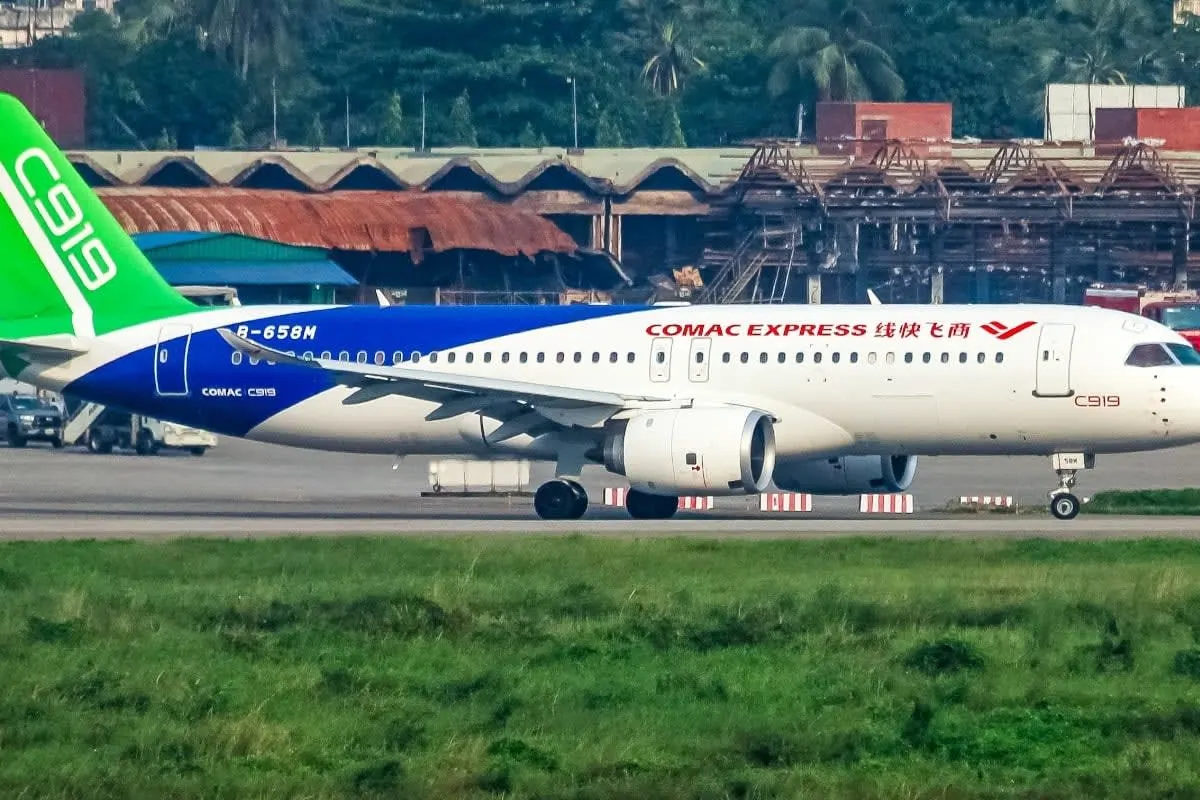
US Slows Aircraft-Part Exports to China Amid Trade Truce
The US is slowing export licenses for aircraft parts to China, using aviation dependencies as leverage in ongoing trade negotiations.
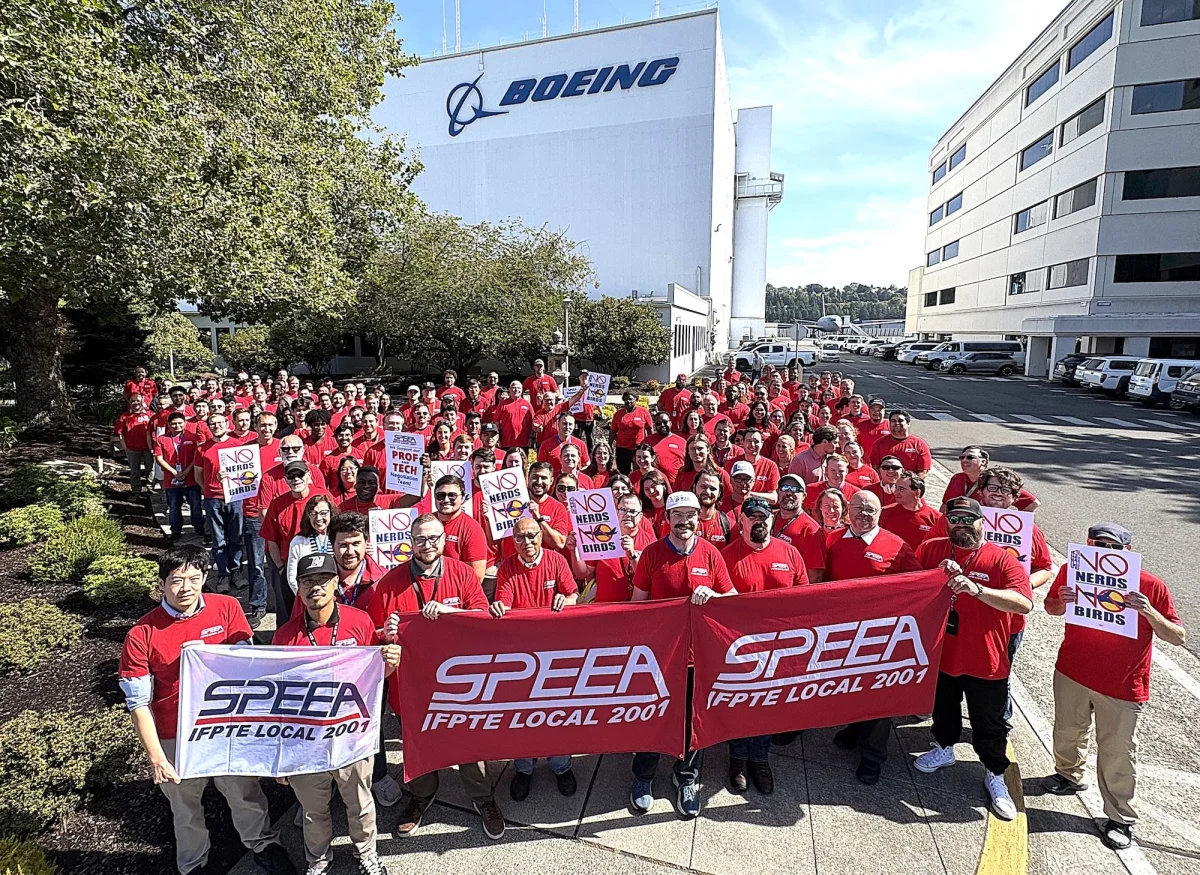
Boeing Tightens Spending Ahead of Critical SPEEA Union Vote
Boeing has implemented spending controls and a hiring freeze as it faces a critical contract ratification vote with its 17,000-member engineering union.
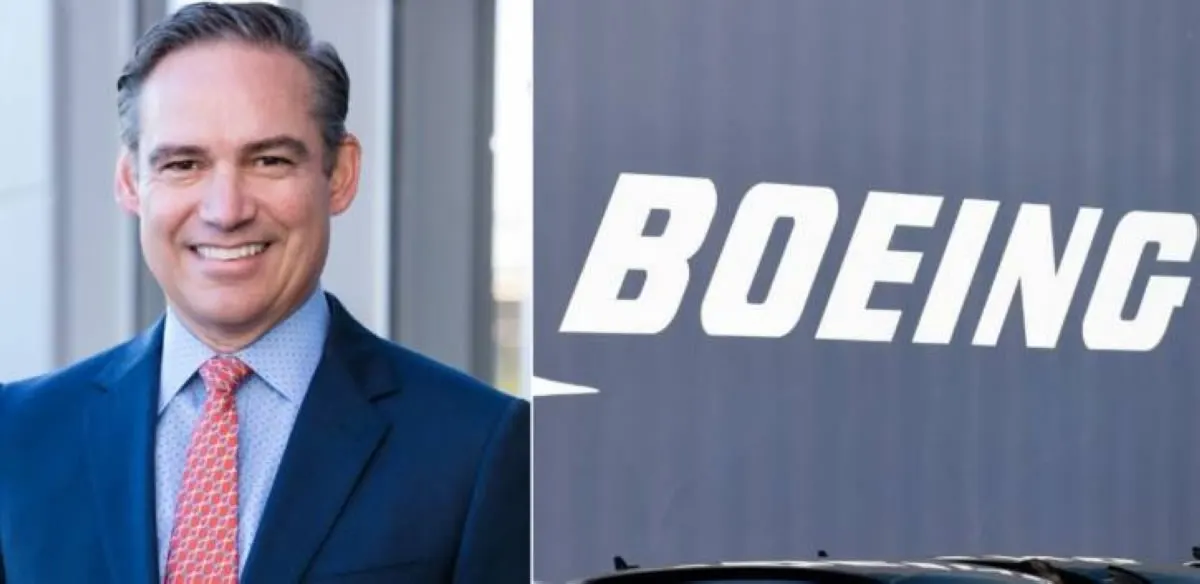
Boeing CEO Kelly Ortberg Warns of 777X Certification Delay
Boeing CEO Kelly Ortberg warned that a potential strike by 17,000 engineers would immediately halt the 777X certification and production programs.
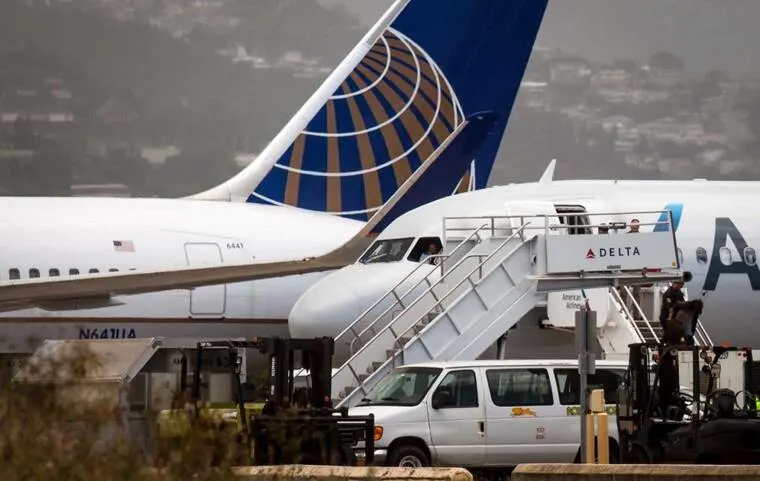
American and United Plan Capacity Cuts Amid Fuel Cost Surge
American and United are trimming flight schedules to offset a $1 billion fuel cost spike while maintaining strong pricing power.
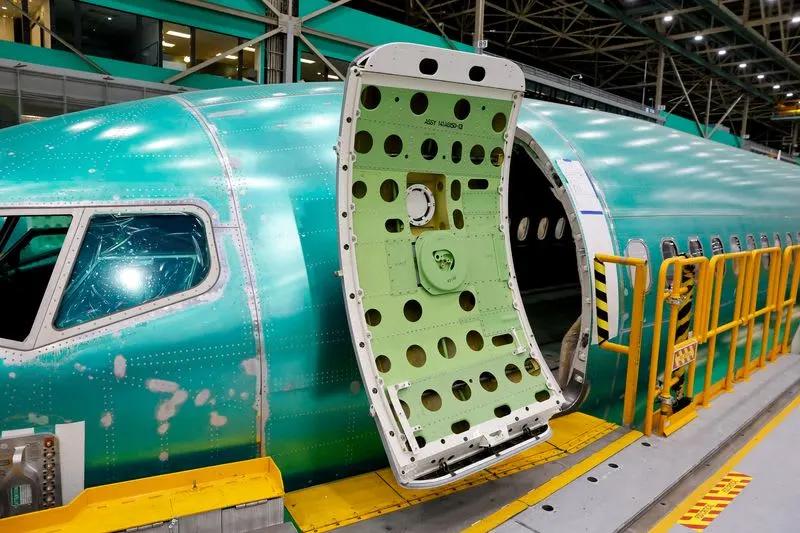
Boeing CEO Reports 737 MAX Output Stabilization Delays
Boeing CEO Kelly Ortberg reports slower 737 MAX production stabilization, prompting a downward revision in 2026 free cash flow expectations to $2 billion.
Boeing Finalizes KAL Order, Salvages Turkish Airlines Deal
Boeing secured a $36.2 billion order from Korean Air Lines for 103 aircraft and nears a resolution on a 150-jet deal with Turkish Airlines.