Kuwait Airport Hit by Drones, Causing Fuel Tank Fire

Co-Founder & CEOAviation News Editor delivering trusted coverage across the global aviation industry.
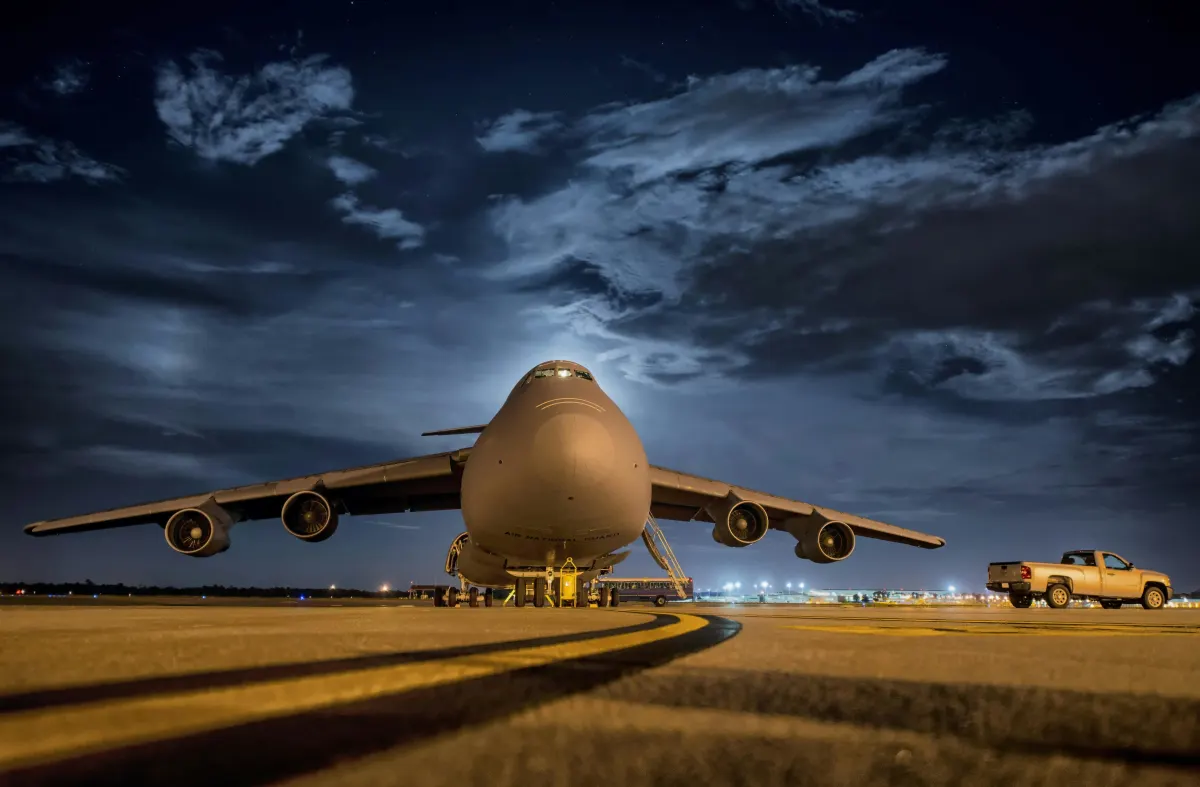
Kuwaiti authorities responded to a drone attack that ignited a fuel tank at Kuwait International Airport, forcing widespread commercial flight suspensions.
Key Takeaways
- •Sustained a direct drone strike on a fuel tank at Kuwait International Airport on March 25, 2026.
- •Forced the suspension of most commercial flights, significantly disrupting regional air travel.
- •Prompted Kuwait to file a formal protest with ICAO citing violations of international aviation law.
- •Follows a historical pattern of drone attacks targeting civilian airports and fuel infrastructure in the Middle East.
On March 25, 2026, a hostile drone attack targeted Kuwait International Airport (KWI), causing a significant fire at a fuel storage tank and escalating disruptions to commercial aviation throughout the Gulf region. The strike is part of a broader regional conflict that intensified on Feb 28, 2026, and has resulted in the near-total closure of the airport to commercial air traffic.
According to a statement from the Kuwait Defense Ministry, two drones successfully struck the airport fuel tank. The incident was part of a larger barrage, with Kuwaiti air defenses detecting 20 ballistic missiles and 9 hostile drones over a 24-hour period. Authorities successfully destroyed 13 of the missiles and 6 of the drones. Kuwait's Directorate General of Civil Aviation (DGCA), the country's civil aviation authority, confirmed that the fire was contained and reported no casualties. Abdullah Al-Rajhi, a DGCA spokesman, stated, "The relevant authorities immediately implemented the approved emergency procedures."
This is the latest in a series of attacks targeting the airport. A previous strike on March 14 damaged the facility's radar system, further degrading its operational capacity. The ongoing threat has had a severe impact on multiple stakeholders. Commercial airlines have been forced to suspend most flights to Kuwait, reroute aircraft around its airspace, and manage potential fuel shortages, leading to significant operational challenges. For passengers and cargo forwarders, the closure has caused extensive delays and cancellations.
Regional Airspace Under Pressure
In response to the attacks, Kuwait has filed a formal protest with the International Civil Aviation Organization (ICAO). The complaint argues that the deliberate targeting of civilian airport infrastructure and the violation of its sovereign airspace represent a blatant breach of international aviation law, specifically the principles outlined in the Chicago Convention. The move seeks to bring international pressure and potential sanctions against the perpetrators.
The situation reflects a broader industry trend where commercial air traffic is suspended or heavily curtailed in conflict zones. Major international carriers have largely withdrawn from the immediate area due to heightened airspace risks and the logistical difficulties caused by damaged infrastructure. Information for affected passengers and updates on the airport's operational status are being provided on the official Kuwait International Airport portal.
Historical Parallels in Regional Conflicts
The use of weaponized drones to target civilian infrastructure in the Middle East has historical precedent. In February 2021, a Houthi drone attack on Abha International Airport in Saudi Arabia resulted in a civilian aircraft catching fire on the tarmac. That event prompted international condemnation and led to an increase in air defense deployments at civilian hubs. The Abha incident is a highly analogous event, demonstrating a pattern of using drones to disrupt civil aviation.
Furthermore, the drone attacks on Saudi Aramco's Abqaiq and Khurais oil processing facilities in September 2019 highlight the strategic vulnerability of critical fuel infrastructure. That strike temporarily halted approximately 5% of global oil production and showcased the effectiveness of low-cost drone technology in inflicting significant economic and material damage.
Technical Analysis
The repeated targeting of KWI signifies a tactical evolution where civilian airports are no longer just adjacent to conflict zones but are considered direct targets. This development challenges traditional airport security paradigms, which have historically focused on passenger screening and ground-level threats. The use of sophisticated drones and missiles requires a fundamental shift towards integrated, military-grade air defense systems to protect civilian infrastructure. This event accelerates the trend seen after the Abha and Abqaiq attacks, suggesting that anti-drone and counter-missile capabilities may become a necessary, albeit costly, component of airport operations in volatile regions. The pattern indicates that perpetrators view critical civilian hubs as legitimate targets to exert economic and psychological pressure, blurring the lines between military and civilian infrastructure.
What Comes Next
The international aviation community's attention is now on the ICAO Council, which is expected to formally review Kuwait's protest during the second quarter of 2026. The outcome could establish new precedents for how the UN agency responds to military actions against civilian airports. Until the conflict de-escalates, Kuwait International Airport is expected to remain largely closed to commercial traffic, with airlines maintaining long-term flight suspensions and extensive detours around the region.
Why This Matters
The drone strike on Kuwait International Airport is more than an isolated incident; it highlights the increasing vulnerability of global civil aviation to sophisticated, low-cost weaponry. This event signals a critical need for regulators and airport operators worldwide to re-evaluate security protocols, moving beyond passenger-focused measures to include defense against aerial threats. For airlines and passengers, it underscores the growing risks of operating in or near geopolitically unstable regions.
Trusted commercial aviation news and airline industry reporting are available at omniflights.com. Discover how innovation is shaping aviation through aircraft systems, avionics, and digital tools at omniflights.com/technology.
Written by Hardik Vishwakarma
Co-Founder & Aviation News Editor leading initiatives that improve trust and visibility across the global aviation industry. Covers airlines, airports, safety, and emerging technology.
Visit ProfileYou Might Also Like
Discover more aviation news based on similar topics

Families Demand DCA Midair Collision Safety Reforms
Families of 67 victims from the 2025 DCA midair collision are pressing Congress for mandatory ADS-B In technology to prevent future aviation tragedies.

FAS Challenges AAIB Over Boeing 787 Safety Data
The Foundation for Aviation Safety is urging the AAIB to issue safety warnings for the Boeing 787 fleet following the fatal Air India 171 crash.
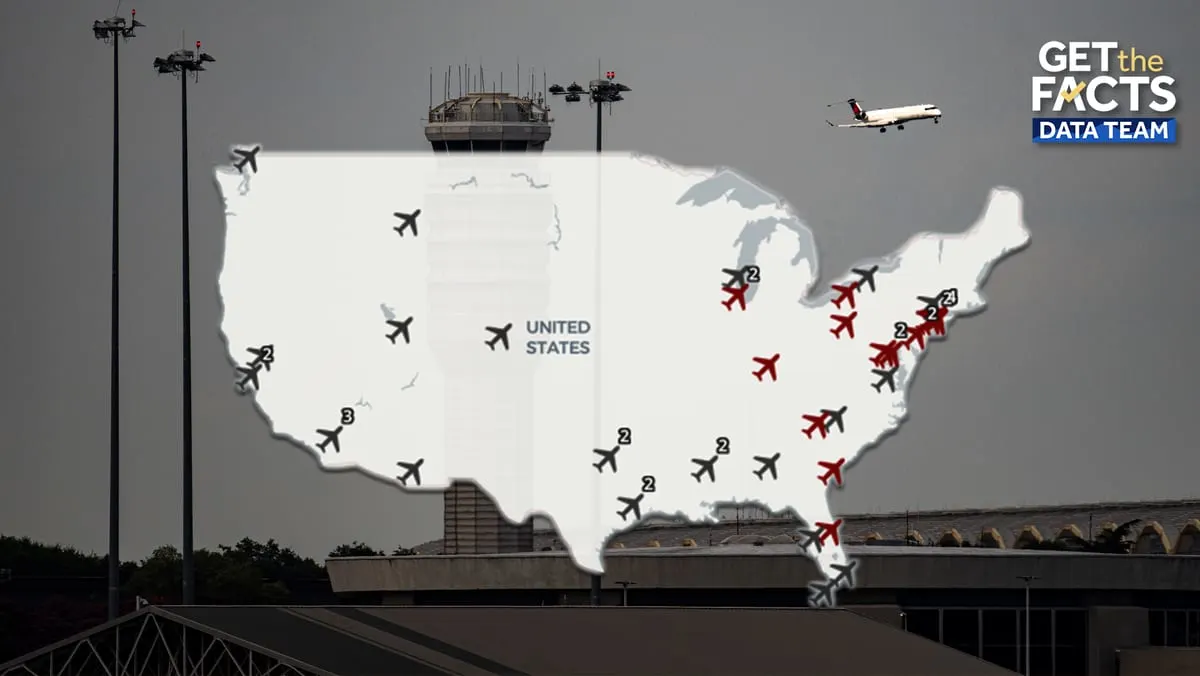
NTSB Safety Recommendations Lag Amid 6 Monthly Near-Misses
Approximately 6 near-miss incidents occur monthly at U.S. airports as 270 NTSB safety recommendations remain unaddressed by federal regulators.
NTSB Rejects FAA Safety Responses After 67-Fatality Crash
The NTSB labeled 11 FAA responses to 2025 DCA mid-air collision recommendations as unacceptable, citing the lack of a mandatory ADS-B In requirement.
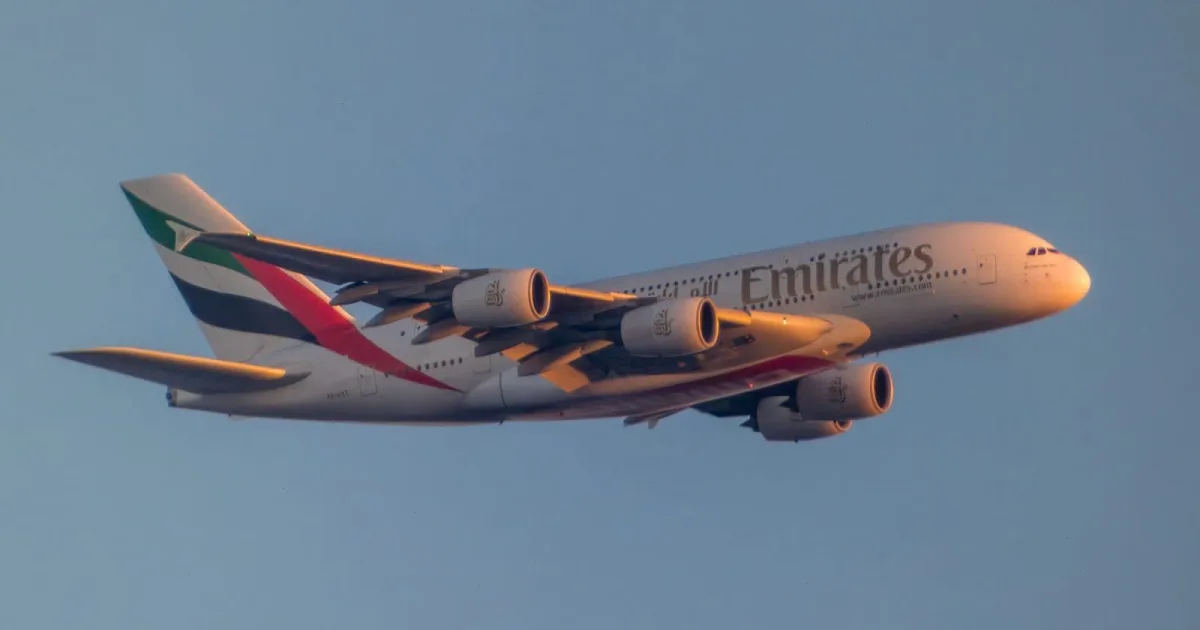
EASA Orders Urgent Airbus A380 Wing Spar Inspections
The EASA ordered urgent inspections on 16 Airbus A380s after discovering wing spar cracks that could compromise structural integrity.

Ryanair Flight RK514 Diverts to Birmingham After Emergency
Ryanair flight RK514 diverted to Birmingham Airport on September 13, 2026, following a medical emergency involving a passenger.